
Reviewed · SAHARA DESERT TOURS
Desert tours and adventurous camel trekking through the Sahara
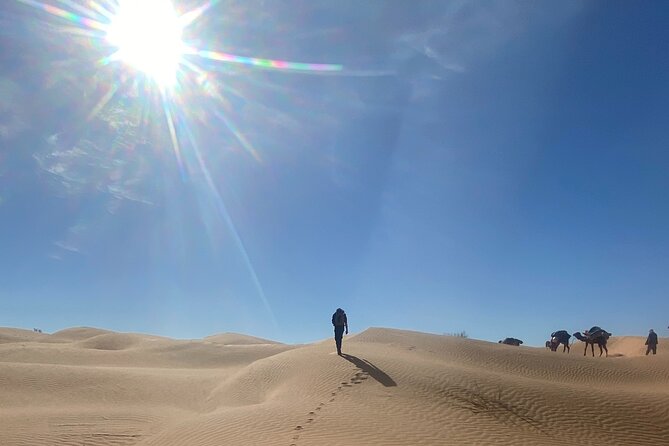
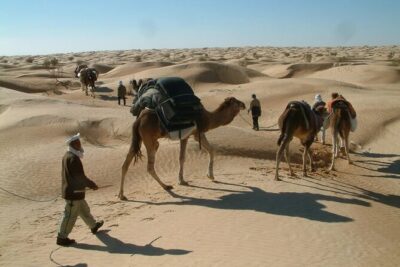
The heart of this trip is not a quick camel ride at the edge of town. It is a six-day desert crossing with dromedaries, simple camps, open skies, and long stretches of silence. You leave Djerba, reach Douz, and then travel far into the Sahara before returning by four-wheel-drive vehicle.
I like the slow rhythm of the journey and the chance to sleep outdoors under the stars. I also like the human side: Mounir is named as the guide, and his Bedouin crew handles the camels, meals, camps, and evening gatherings. The main caution is price. At $1,110.18 per person, this costs more than some comparable desert tours, so you should be comfortable paying for a private, carefully arranged expedition rather than a short excursion.
- Six days among the dunes: The central part of the trip is a genuine camel trek, not a brief photo stop.
- Douz is your desert gateway: Visit its center and traditional souks before heading into the Sahara.
- Flexible sleeping style: Set up a tent or take your sleeping bag into the open air beneath the stars.
- Bedouin camp evenings: Expect home-cooked food, a campfire, and traditional music in a very simple setting.
- A useful cultural finish: The return includes Douz, Berber troglodyte homes in Matmata, and the ferry back to Djerba.
- Private group format: Only your party takes part, with pickup offered and a mobile ticket.
From Djerba to the Sahara’s edge
This eight-day experience begins and ends in Djerba, Tunisia. The island is known for olive groves, sandy beaches, and turquoise Mediterranean water, but the trip quickly shifts from coastal Tunisia to the dry interior.
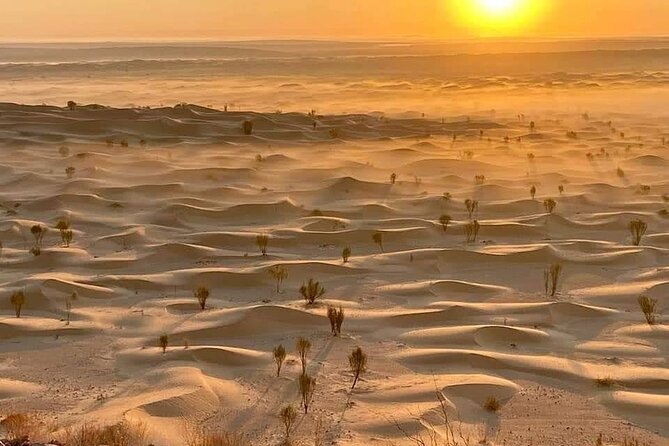
The first major stop is Douz, often called the Gate of the Desert. That name makes sense: the town is a traditional crossing point for the Sahara and sits beside the Erg Oriental, a huge belt of dunes extending across Tunisia, Algeria, and Libya.
You have a shared meal in Douz before the desert section begins. There is also time to buy a turban if you want one. That is a practical purchase, not just a souvenir, since loose head covering is useful in sun, wind, and blowing sand.
The schedule describes the first day under Matmata, although the actual details focus on Douz and the drive into the desert. After dinner, the group drives about 90 minutes to meet the Bedouin crew and their dromedaries. This is where the trip changes character. Roads and town life give way to camp equipment, animals, sand, and a night far from ordinary hotel comforts.
Six days of camel trekking through open sand
The middle of the trip covers Days 2 through 6, with named stopping areas including El Hedan, La Ghuezza, Hashiat Erramal, Thuall Erbaier, and Bir Abdhull. The supplied schedule does not give walking distances, riding times, or exact camp facilities for each place, so you should not expect a tightly timed sightseeing program.
Instead, think of this as a moving desert camp. The dromedaries carry supplies while you walk through the dunes and ride at points along the route. The appeal is the pace. You have time to notice how the wind marks the sand, how quickly a trail disappears, and how quiet the desert becomes once the group settles for the evening.
A camel trek can sound easy because the animals do the carrying, but the physical demands should not be brushed aside. You need a moderate fitness level, and the trip is best for someone who can manage repeated days of walking, sitting on a camel, setting up camp, and sleeping simply.
The route names give the journey a sense of progress, but they will not mean much to you before arrival. Their value is practical rather than sightseeing-based. Each one marks another stage in a long crossing, another camp, and another night away from roads and buildings.
More sahara desert tours in Djerba:
- 2 days tour to Douz & Ksar Ghilan oasis. and an overnight in the sahara under bedouin tent .. Dinner in the camp, Private Jeep – with english speaking guide.
★ 4.5 · 8 reviews - 2-Day Tunisian Sahara Tour with Food & Stay from Hammamet
★ 4.5 · 80 reviews - Sahara 2 Days Tour VIP In Tunisia | Guided FUN | PICKUP ALL City
★ 4.5 · 63 reviews
Nights beside the campfire or under the stars
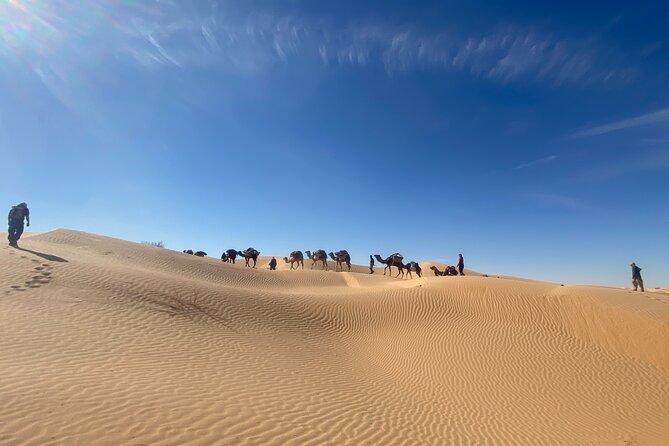
Camping is a major part of the experience. On the first desert night, the crew prepares the camp and you help set up your tent. If you prefer a more exposed night, you can find a place for your sleeping bag and sleep outside.
That choice tells you a lot about the style of the tour. This is not a resort camp with a fixed room, private bathroom, or carefully staged entertainment. It is a basic outdoor stay built around tents, food, conversation, and the desert sky.
Evenings bring a campfire, traditional Bedouin music, and home-cooked meals. Vegetarian food is available, which is useful if you need meat-free meals. The food is described as simple and acceptable rather than a major culinary feature, so keep expectations practical. You are eating in a remote camp, not a restaurant.
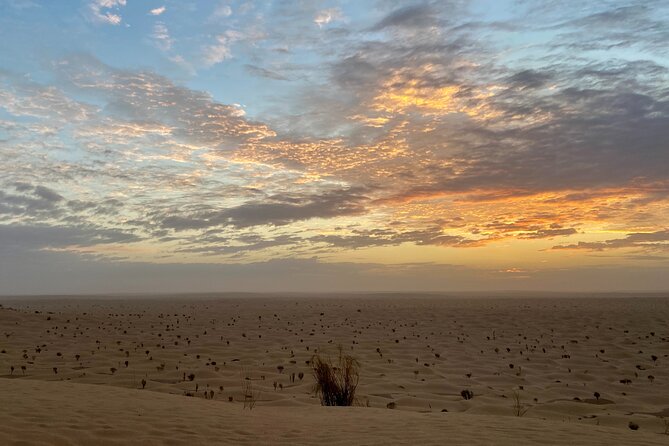
The best moments may come after dinner. The desert becomes almost completely quiet, and the stars take over. The trip’s strongest appeal is this break from phones, traffic, and constant choice. If you want a digital reset, the setting does the work for you. If you need reliable connectivity, entertainment, or personal space each evening, the same simplicity may feel restrictive.
Why the guide and crew matter
Mounir is the named guide, and the trip is operated with a Bedouin team responsible for the camels and camp. One especially useful detail is that Mounir is described as speaking several languages and taking an active role in helping organize the journey.
That matters on a trip with changing conditions and very little infrastructure. A good guide helps you understand the daily rhythm, communicate with the crew, and feel settled when the routine is unfamiliar.
The strongest praise connected with this tour centers on the crew’s care, the organization before departure, and the way meals and camp life are handled. There is also a clear pattern of repeat participation, including one person who had returned many times since 2009. That does not remove the price concern, but it suggests that the operation has built loyalty among people who specifically want this style of desert trip.
At the same time, one account raised concerns about the experience for a woman traveling alone. The available information does not provide enough detail to judge the situation for every solo participant, but I would address any safety, sleeping, or privacy questions with the provider before paying. The private format means your group participates alone, which may be reassuring for some people and isolating for others.
Returning through Douz and Matmata
On Day 7, a four-wheel-drive vehicle picks you up from the Bedouin camp at about 9:00 a.m., after breakfast. This is a welcome change after nearly a week of walking and camel travel. You then return to Douz for about four hours.
The Douz stop includes the town center and traditional souks. After days in the dunes, even a modest market feels full of movement and color. It is also a chance to see the place that serves as the Sahara’s main gateway, rather than treating it only as a launch point.
Douz is known for its dates, described as especially high quality. If you want a useful edible souvenir, this is the natural place to look. The schedule does not specify shopping time or what is included in the meal arrangements here, so keep your purchases and personal spending separate from the tour price.
After Douz, the drive continues for about 90 minutes to Matmata. Here you visit a Berber troglodyte house, a cave dwelling built around a sunken courtyard. Only a small number of people still live in the original manner, so the visit gives you a direct look at a form of housing shaped by heat and the need for shelter.
The visit lasts about an hour. You can take photos and ask the owners questions, but you should still behave as you would in any private home. Ask before photographing people or personal areas, and remember that this is a lived tradition, not simply a display.
From Matmata, the route continues toward Djerba. The return uses a ferry across the Mediterranean, with a crossing of about 20 minutes. That short boat ride provides a neat contrast to the inland desert: after sand, tents, and camels, you are back among olive groves, beaches, and island roads.
A few more Djerba trips to weigh up
- 2-Day Tunisia Sahara Desert Camel Trek from Douz
★ 5.0 · 27 reviews - 3-Day Tunisia Sahara Desert Camel Trek from Douz
★ 5.0 · 9 reviews
What the $1,110.18 price really buys
The listed price is $1,110.18 per person. That is a substantial amount for Tunisia, and it deserves close thought before booking.
You are paying for an eight-day private activity, pickup, transport between Djerba, Douz, Matmata, and the desert, a camel and dromedary expedition, camp organization, meals, a Bedouin crew, the return by four-wheel-drive vehicle, and the ferry connection back to Djerba. The value is strongest if you want the full week and would otherwise have to arrange each part yourself.
The price is less convincing if you mainly want to ride a camel, watch sunset over dunes, and sleep one night in the desert. Shorter options may suit that aim better. Some competing operators are reported to charge around 400 euros less, and the difference is large enough that I would compare the length of the trek, food, staff support, camp arrangements, and transport before committing.
This is also a private experience, so the cost may make more sense for a couple, family, or group of friends sharing an exclusive departure. If you are alone, the per-person figure deserves extra scrutiny. Ask what is covered in practice, especially meals, sleeping equipment, transfers, and any extra transport.
The high price may be justified for someone who values a slower route, an established crew, and a carefully planned journey. It is not automatically the best deal for every person who wants to see the Sahara.
Practical comfort and preparation
The tour requires moderate physical fitness. You should be ready for walking on sand, camel riding, outdoor sleeping, simple camp routines, and several days away from normal facilities.
Pack for a genuine desert stay rather than a hotel holiday. Useful items include sun protection, comfortable walking clothes, a head covering, a sleeping bag if you plan to sleep outdoors, and any personal supplies you need to remain comfortable. The information does not specify whether tents, bedding, showers, or toilets are supplied, so ask before departure.
The mobile ticket and offered pickup make the start easier, but the details of pickup time and exact meeting arrangements are not given. Confirmation is provided when you book. Since the first day includes a meal in Douz and a 90-minute drive into the desert, allow plenty of flexibility around the beginning of the trip.
Good weather is required. If weather cancels the experience, you are offered another date or a full refund. The same applies if the minimum number needed to operate the tour is not reached. For cancellations by you, a full refund requires at least six full days’ notice. Two to six full days gives a 50 percent refund, while less than two full days receives no refund.
Who will enjoy this desert journey
I would recommend this trip to you if you want the Sahara as a place to slow down, not as a backdrop for a quick excursion. It suits people who enjoy walking, basic camping, long quiet stretches, and shared meals around a fire.
It is also a good fit if you want several kinds of Tunisia in one trip: island scenery on Djerba, a desert market town in Douz, a long camel crossing, and the cave homes of Matmata.
I would hesitate if you dislike sleeping outdoors, need predictable comfort, or want a detailed schedule for every day. The itinerary names the desert areas but does not provide daily distances or activity times. That open-ended quality can feel freeing, but it also means you should clarify the routine before booking.
The private format is helpful for groups with a shared pace and common interests. Solo visitors should ask direct questions about arrangements and support, especially if they have concerns about privacy or traveling alone.
Should you book the Djerba Sahara trek?
Book it if the real goal is a week of desert life, not simply a camel photograph. The strongest reasons are the long route, the quiet camps, the chance to sleep under the stars, and the Bedouin-led structure with Mounir and his crew.
Think twice if value is your main concern. The price is high, and another operator may offer a similar length of service for considerably less. Before booking, compare exactly what each company includes and ask about camping equipment, meals, daily walking, and solo participation.
For the right person, this can be a powerful reset from ordinary routines. For someone seeking a low-cost or comfortable desert outing, it may be more journey than needed.
FAQ
Where does the desert tour start?
The tour starts in Djerba, Tunisia, with pickup offered.
Where does the experience end?
The activity ends back at the meeting point in Djerba.
How long does the tour last?
The experience lasts approximately eight days.
How much does the tour cost?
The listed price is $1,110.18 per person.
Is this a private tour?
Yes. Only your group takes part in the activity.
Do I need to be physically fit?
You should have a moderate level of physical fitness for walking, camel trekking, and outdoor camping.
Can I sleep outside instead of using a tent?
Yes. On the first night, you can choose a place for your sleeping bag and sleep under the stars.
What places are visited on the return journey?
The return includes Douz, Matmata, a Berber troglodyte house, and a ferry crossing to Djerba.
What happens if weather or the minimum group size cancels the tour?
You are offered a different date or a full refund if the tour is canceled because of poor weather or because the minimum number of participants is not reached.
Just added around Djerba
- Day Trip in Ksar Ghilane with Lunch and Pickup★ 3.5 · 7 reviews
- The three desert and mountain oases★ 5.0 · 6 reviews
- Horseback riding or camel at sunset in Djerba★ 5.0 · 6 reviews
- From Djerba: Explore the desert in a day★ 5.0 · 8 reviews
- Ksar Ghilaine and Chneni Tataouine 1 day tour in Tunisia★ 5.0 · 8 reviews
- 1 day excursion to Chenini-Tataouine★ 5.0 · 8 reviews
- 2 days tour to Douz & Ksar Ghilan oasis. and an overnight in the sahara under bedouin tent .. Dinner in the camp, Private Jeep – with english speaking guide.★ 4.5 · 8 reviews
- Private 3-Day Excursion to the Tunisian Desert★ 5.0 · 10 reviews
Sahara Desert Tours, compared.
2-Day Tunisian Sahara Tour with Food & Stay from Hammamet
Read our review →
Sahara 2 Days Tour VIP In Tunisia | Guided FUN | PICKUP ALL City
Read our review →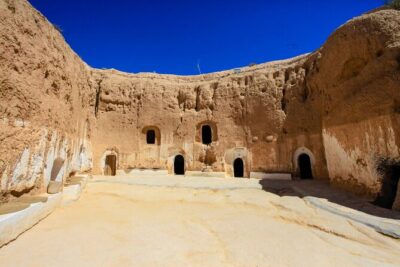
2-Day Tunisian Sahara Tour with Food & Stay from Sousse
Read our review →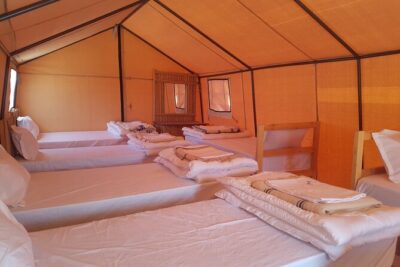
2-Day Tunisia Sahara Desert Camel Trek from Douz
Read our review →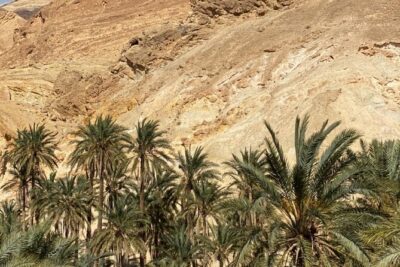
Circuit the south of Tunisia in 2 days Sahara Explorer
Read our review →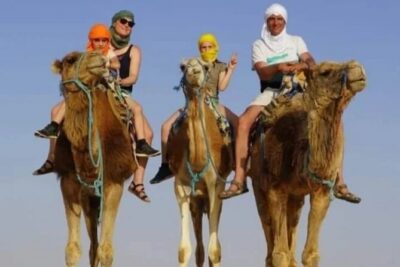
3-Day Private Excursion to the Sahara departing from Hammamet
Read our review →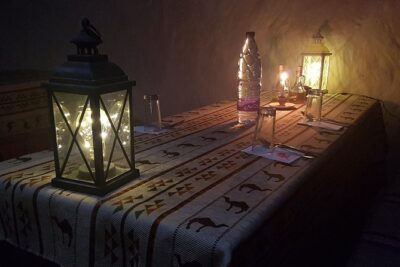
3-Day Tunisia Sahara Desert Camel Trek from Douz
Read our review →Browse the lists this tour appears in