
Reviewed · HAMMAMET TOURS
Tour to the Medina of Hammamet and the Spice Market of Nabeul
Nabeul’s pottery, Hammamet’s whitewashed medina, and a taste of Tunisia’s everyday market life all fit into one outing. The strongest part is the contrast: you see a family craft tradition in one stop, then move into souks and seaside lanes where shopping and local life share the same narrow streets.
I like the pottery workshop, where you can watch the craft being made and buy directly from the artisan. I also like the multilingual guiding, which has worked well for English-speaking visitors in groups made up mostly of French speakers. The main concern is that this is a group excursion, and hotel pickups can stretch a four-hour plan into six hours or more.
At a glance
- Nabeul is Tunisia’s pottery center: The workshop gives you a closer look at local craft than a simple souvenir-shop stop.
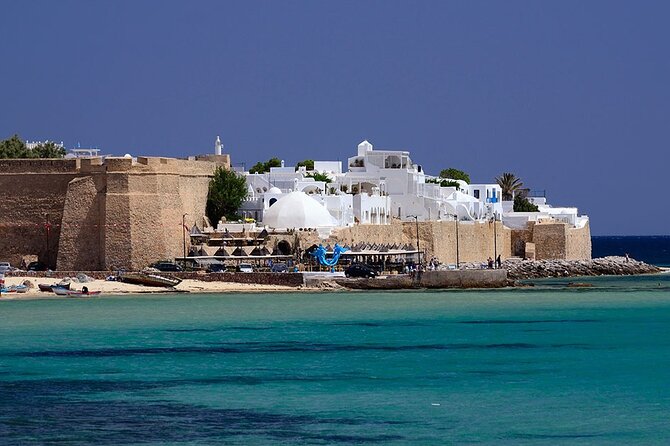
- Hammamet’s medina sits beside the sea: Roof terraces and old lanes provide the best setting of the day.
- The guide can make or break the outing: Strong guides explain architecture, customs, history, and daily life. On some departures, the guide has spent too little time walking with the group.
- The market description needs checking: Some departures appear to visit a spice shop or kiosk rather than a full traditional market, and one detailed account says the spice market operates on Friday.
- Allow more than four hours: Hotel collection and drop-off may add considerable time, especially when many resorts are included.
- The $29.04 price is fair for transport and several stops: It is less attractive if you want a long guided walk or dislike shopping visits.
Why Nabeul and Hammamet work well together
Nabeul and Hammamet are close enough to combine, but they offer different views of the region. Nabeul is tied to pottery, ceramics, spices, harissa, and neroli water. Hammamet gives you the more polished seaside setting, with its medina, souks, old port, and rooftop views.
That pairing gives you more than a resort outing. You can see how useful objects are made, learn about ingredients used in Tunisian cooking, and then walk through a historic town where trade, worship, homes, and tourism sit close together.
The trip is sold as about four hours, with roughly 90 minutes at Hammamet’s medina, 90 minutes at the Nabeul market, and an hour at the pottery workshop. In practice, I would keep at least six hours open if your hotel is part of a wide pickup circuit. One departure reportedly spent about 90 minutes collecting people from several hotel complexes, with a similar delay on the return.
That matters if you have a fixed lunch reservation, airport transfer, or another excursion later in the day. The tour starts at 8:00 am, but pickup time can vary, so wait outside your hotel and keep your phone available for the operator’s confirmation message.
More hammamet tours in Hammamet:
- Private tour: Medina,Carthage ,Sidi Bou Said, Bardo Museum+lunch
★ 5.0 · 194 reviews - Quad ride on the hills of Hammamet
★ 4.0 · 104 reviews - 2-Day Tunisian Sahara Tour with Food & Stay from Hammamet
★ 4.5 · 80 reviews
Walking through Hammamet’s seaside medina
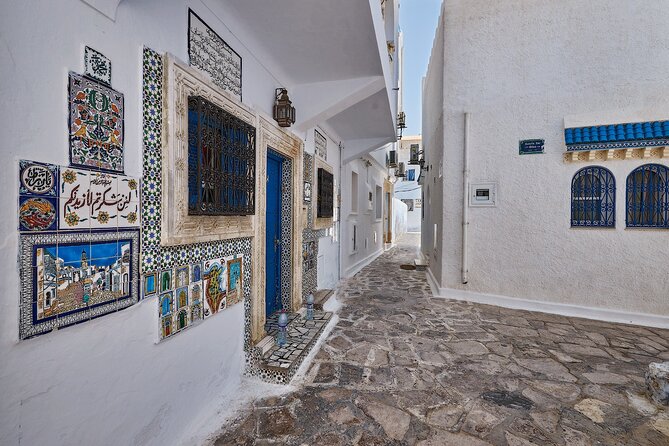
The Hammamet portion is the most atmospheric part of the excursion. The medina is built along the seafront, and its roof terraces give you broad views over the water and the old town. The white walls, narrow lanes, small doorways, and compact souks make this an easy place to explore on foot.
A good guide can turn a pleasant walk into a useful lesson. The tour is meant to explain the medina’s architecture, the way its spaces were used, and the social rules that shaped daily life. You may hear about how homes, shops, public lanes, and religious spaces fit together rather than simply being led from one photo stop to another.
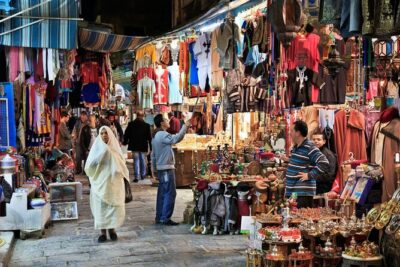
The old fishing port adds another layer. It helps you see Hammamet as a working coastal town, not only as a resort often compared with the French Riviera. You will also have time in the souks, where pottery, copper, leather, embroidery, and other Tunisian goods may appear.
Keep your expectations realistic. Some departures have offered a genuinely guided walk through less familiar corners of the medina. Others have felt more like a drop-off, with the guide remaining on the bus or providing little explanation while the group walked independently. If the guide begins with a clear walking plan, stay close and ask for the details you want.
The souk sellers can be persistent. That is normal in a shopping district, but it can wear you down if you prefer to browse quietly. A firm no, followed by continued walking, is usually more useful than a long discussion.
Nabeul market, spices, harissa, and neroli water
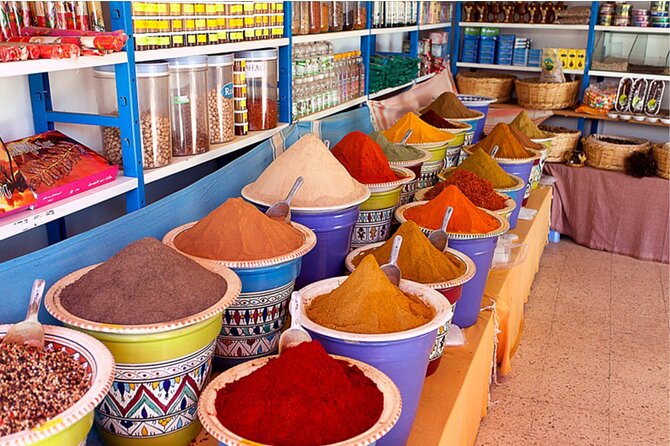
Nabeul is presented as the capital of ceramics and pottery, but the market stop is intended to show another side of the town. Its food culture is linked with spices, harissa, and neroli water, an orange-blossom product associated with the area.
A proper market visit can be one of the most revealing parts of a short Tunisia trip. Instead of seeing only hotel restaurants and organized attractions, you get a look at the daily shopping routine of local people. You might find spices, food products, household items, and souvenirs in the same general area.
Here is the important catch: the market experience does not appear identical on every departure. Some schedules describe a spice market, while one detailed account says the stop was a small kiosk selling spices and souvenirs. Another account says the traditional spice market takes place on Friday, not Thursday. The supplied itinerary calls Nabeul Market a daily market, so the descriptions do not line up perfectly.
I would contact Tekiki Tours before booking and ask three direct questions:
- Is the stop a full local market or a particular spice shop?
- What day does the tour visit Nabeul?
- Will the guide walk through the market with the group?
Those answers will tell you if this is the experience you want. If you are happy with a short shopping stop and a chance to taste or buy local products, it may work well. If you picture a long, guided market walk, you may find it too limited.
Some visitors have also been disappointed when tea or coffee was offered but not provided. Treat any drink as a possible extra rather than a reason to book.
The pottery workshop is the clearest cultural stop
The pottery visit is the most dependable feature of the outing. You are taken to a workshop where you can see the making of ceramics and learn about the craft associated with Nabeul. The workshop is described as a family business whose pottery tradition has passed through generations.
That family connection gives the stop more meaning than a standard retail showroom. You can watch the process, ask questions, and see finished pieces before deciding if you want to buy something. The direct purchase option is useful if you are looking for a practical souvenir rather than a mass-produced trinket.
The workshop is also a good place to ask about the difference between decorative and useful ceramics, how the pieces are finished, and how the craft fits into local life. The guide has answered questions about Tunisian culture and art well on some departures, though the amount of explanation can vary.
Do not assume that a workshop visit means you must buy. Browse first, compare pieces, and ask about packing if you plan to place ceramics in checked luggage. The tour price does not include purchases, and the supplied information does not state that food, drinks, or workshop demonstrations beyond the visit are included.
The one-hour allocation is enough for a look around, but not for a slow craft lesson. If pottery is your main interest, a private workshop or a longer dedicated visit would give you more time.
Same coast, a completely different day out:
- Tunis, Sidi Bousaid and Carthage day trip from Hammamet
★ 4.5 · 44 reviews - Tunis Carthage airport transfer to Hammamet
★ 5.0 · 34 reviews - Half a day in Sidi Bousaid from Hammamet
★ 4.0 · 33 reviews - From Hammamet or Tunis: Carthage, Bardo, Sidi Bou said and Medina
★ 4.5 · 30 reviews
Guiding, languages, and group size
The tour has a maximum of 50 participants, though some departures use a small minibus. That is a wide possible range. A small vehicle may feel personal, while a full group can make the medina walk slower and make it harder to hear explanations.
The language mix is worth considering. One English-speaking family found that about 95 percent of the group spoke French, but the guide translated into English. Other departures were conducted in three languages. A multilingual guide can keep everyone included, but explanations may take longer and each language may receive less detail.
The best guides on this route have explained local culture, art, architecture, and the past and present economy in a friendly way. Some have also shown visitors less obvious shops and areas. The less successful format is a guide who gives instructions on the bus, then leaves the group to explore the stops alone.
At the start, ask whether the guide will accompany you through each site. If you want more historical detail, say so early. A direct question can turn a loose outing into a more useful one.
The vehicle has been described as a clean small minibus with good air conditioning. That is important in Tunisia’s warmer months, especially when you are moving between hotel pickups, Nabeul, and Hammamet. Pickup is offered, and the tour is near public transportation, but the exact meeting arrangement should be confirmed at booking.
Is $29.04 good value?
At $29.04 per person, this is an inexpensive way to combine transport, a guide, a pottery visit, Nabeul, and Hammamet. If your hotel is outside the town centers, the included pickup can save you the trouble of arranging separate taxis.
The price works best for you if you want an introduction rather than a specialist tour. You get several themes in one morning: traditional craft, market goods, seaside architecture, and local shopping. It is also a practical choice for families, since the route is short and the vehicle is air-conditioned.
The value drops if the pickup circuit is long or if the market stop becomes a quick retail visit. You are also paying for convenience more than for entrance tickets, since admission to the listed stops is free. A private taxi and self-guided walk could offer more control, but you would lose the built-in guide and organized transport.
For a first visit to the Hammamet region, I consider the price reasonable as long as you accept the group-tour tradeoffs. I would not book it for a tightly timed day or if your main goal is a serious market study.
Who should book this half-day outing?
I would recommend it to families, first-time visitors, and anyone staying in Hammamet who wants to see more than the beach without committing to a full-day tour. The pottery workshop gives the outing a clear focus, and the medina provides the most memorable setting.
It suits you particularly well if you enjoy browsing shops, asking questions about local products, and seeing several places in one organized trip. English speakers can take part, but confirm that the guide will provide English commentary if most of the group speaks French.
I would be cautious if you dislike sales pressure, long hotel circuits, or loosely organized free time. You may also prefer a private tour if you want the guide beside you at every stop. The free cancellation policy allows a full refund when you cancel at least 24 hours before the local start time, but late cancellations are not refunded.
Weather and minimum group requirements can also affect departure. If the operator cancels for poor weather or because too few people book, you should be offered another date or a full refund.
My booking advice
Book this tour if you want a low-cost introduction to Nabeul pottery and Hammamet’s medina, and you can keep your schedule flexible. The strongest version includes an engaging multilingual guide, a real walk through the medina, a useful pottery demonstration, and a proper market stop.
Before paying, confirm the pickup window, the actual Nabeul market location, the market day, and whether the guide walks with the group. Those four questions address the main weaknesses reported by past participants.
If the answers are clear and you are comfortable allowing six hours, this is a sensible regional outing. If you want a detailed cultural tour with no shopping pressure and no hotel-by-hotel delays, spend more on a private guide instead.
FAQ
How long does the tour last?
The planned duration is approximately four hours. Hotel pickups and drop-offs may extend the outing considerably, so keeping around six hours free is a safer plan.
What time does the tour start?
The listed start time is 8:00 am. Your exact pickup time should be confirmed with the operator because the vehicle may collect people from several hotels.
Does the tour include hotel pickup?
Yes. Hotel pickup is offered. The tour is also near public transportation.
What places are visited?
The planned stops are Hammamet’s medina, Nabeul Market, and a pottery workshop called Kerkenis Ceram. The description also refers to Hammamet’s souks and old fishing port.
Is the tour suitable for English speakers?
Yes, English-speaking participants can join. The guide may conduct the tour in several languages, and English commentary has been provided on multilingual departures.
Can I cancel for a full refund?
You can cancel for a full refund at least 24 hours before the experience start time. Cancellations or changes made less than 24 hours before the start are not refunded.
Just added around Hammamet
- 4-Day Private Tour: Sahara and Djerba Island from Tunis and Hammamet★ 5.0 · 4 reviews
- Enfidha Private Arrival Airport Transfer to Hammamet★ 4.5 · 4 reviews
- Private Guided Excursion Tunis, Carthage and Sidi Bou Said from Hammamet★ 5.0 · 8 reviews
- Kairouan, El Djem and Monastir Guided Excursion from Hammamet★ 5.0 · 5 reviews
- Executive: Transfer Tunis Airport to Hammamet by Mercedes E Class★ 5.0 · 4 reviews
- Private Excursion of Friguia Park and Medina of Hammamet★ 4.5 · 4 reviews
- DayTrip to KORBOUS Thalasso-Thermal Bath & Spectacular SEA Cliffs★ 4.5 · 5 reviews
- Day trip to Cape Bon★ 4.0 · 5 reviews
Hammamet Tours, compared.
Private tour: Medina,Carthage ,Sidi Bou Said, Bardo Museum+lunch
Read our review →
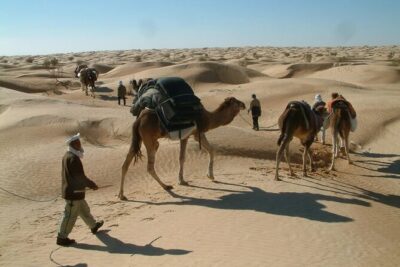
2-Day Tunisian Sahara Tour with Food & Stay from Hammamet
Read our review →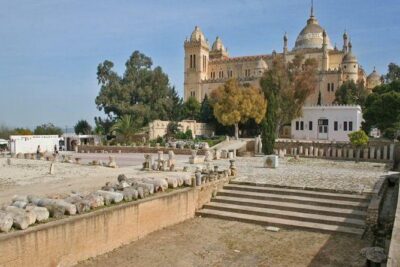
Tunis, Sidi Bousaid and Carthage day trip from Hammamet
Read our review →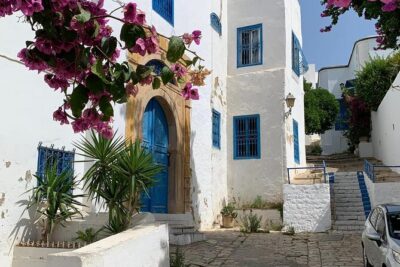
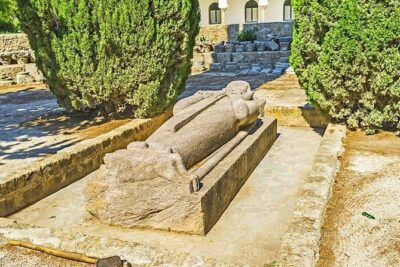
From Hammamet or Tunis: Carthage, Bardo, Sidi Bou said and Medina
Read our review →
Browse the lists this tour appears in