
Reviewed · CARTHAGE AND SIDI BOU SAID TOURS
Bardo Museum- The ruins of Carthage- Village of Sidi Bou Said
Tunis packs several major sights into one rewarding day: Roman and Punic ruins, a grand museum, a sea-facing village, and the old Medina. The private car and guide keep the route practical, especially when you want to cover places spread across the capital and its northern suburbs.
I like the flexibility of a private tour and the way the guide can respond to your interests. I also like the helpful extras: air-conditioning, bottled water, parking, and a chance to adjust the day, such as arranging an early seafood lunch with a view. The main drawback is the pace. Four stops at roughly two hours each make for a full day, and lunch is not included.
Key points to know before booking
- Four major Tunis sights in about eight hours: The route covers the Bardo Museum, Carthage, Sidi Bou Said, and the Medina of Tunis.
- Private guide and vehicle: Only your group takes part, giving you more control than a large coach excursion.
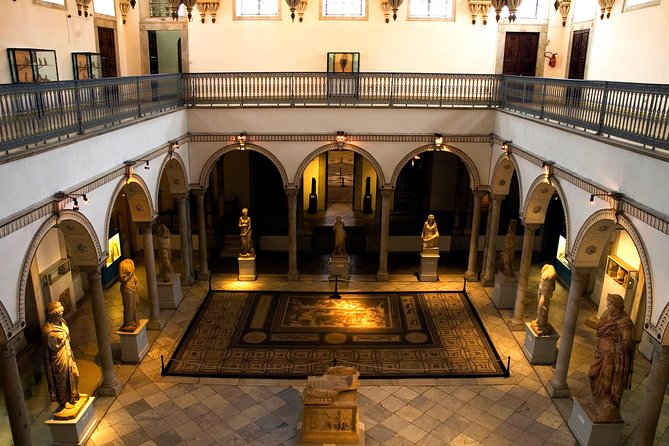
- Two hours at the Bardo Museum: Admission is included, and the former nineteenth-century palace gives the collection an impressive setting.
- Carthage centers on Byrsa Hill: The archaeological area connects Tunisia’s ancient Punic past with Roman remains and the silhouette of Saint-Louis Cathedral.
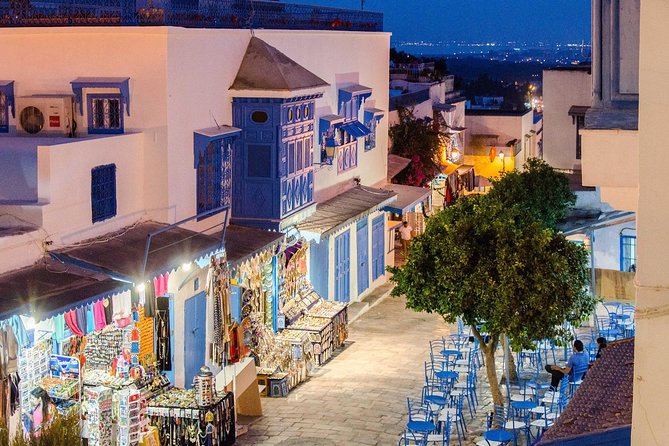
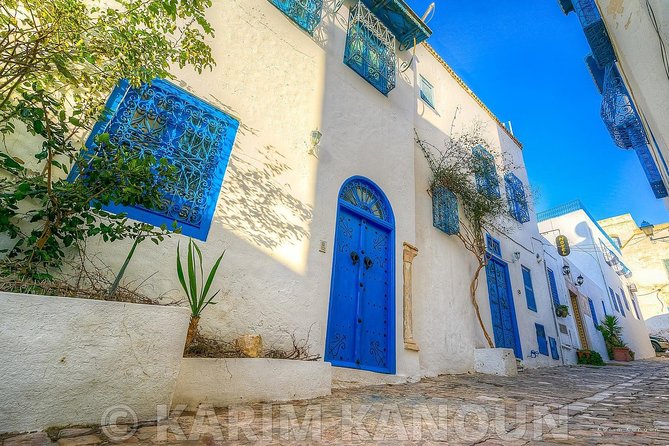
- Sidi Bou Said brings sea views and blue-and-white architecture: It is the prettiest, most relaxed stop on the route.
- Lunch costs extra: The guide can help with a request, but food, coffee, tea, and alcohol are not part of the price.
Four sides of Tunis in one private day
This excursion works because it brings together four very different views of Tunis. You begin with museum collections, move into ancient ruins, pause in a picturesque hill village, and finish among the lanes and markets of the old city.
I find that mix more useful than spending a full day on only one archaeological area. You get a broad introduction to Tunisia’s culture and past without arranging several separate rides. The tradeoff is that each place receives about two hours, so you should expect an overview rather than a slow, detailed visit.
The advertised cost is $152.69 per person. That price makes the most sense when your group values a private car, a dedicated guide, parking, bottled water, and the freedom to shape the day. It is less attractive if you only want a quick transfer or prefer to explore independently.
Group discounts may improve the value for a larger party. The tour is also commonly booked well ahead, with an average lead time of 77 days, so I would not leave it until the last minute if your Tunis dates are fixed.
More Bardo Museum Tours in Tunis
- Private tour: Medina,Carthage ,Sidi Bou Said, Bardo Museum+lunch
★ 5.0 · 230 reviews - Carthage, Bardo Museum, Sidi Bou Said and Medina Private Day Tour
★ 4.5 · 153 reviews - Tunis: Carthage, Bardo Museum, Sidi Bou Said & Medina Group Tour
★ 4.5 · 33 reviews
The Bardo Museum brings Tunisia’s past indoors
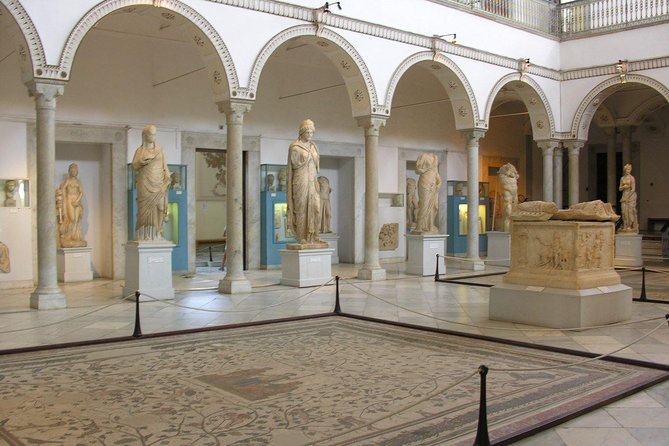
The National Bardo Museum occupies a former nineteenth-century beylical palace. That setting matters. You are not simply moving through display rooms in a modern building. The collections sit within a historic palace tied to Tunisia’s ruling past.
You receive about two hours here, with admission included. I would use the guide actively at this stop. A museum covering a large part of Tunisian history can feel difficult to follow without context, while a good explanation helps you connect the objects to the places you will see later.
The Bardo is a smart first stop because it gives you background before Carthage. Once you reach the ruins, the remains can seem scattered. Museum time helps you understand that Tunisia’s story is not limited to one civilization or one period.
Two hours should be enough for a focused visit, but not for every room at a leisurely pace. If you enjoy museums and want extra time with the collection, mention that preference at the beginning of the day. The private format makes such a request more realistic than it would be on a fixed group bus.
Carthage turns ancient history into a physical place
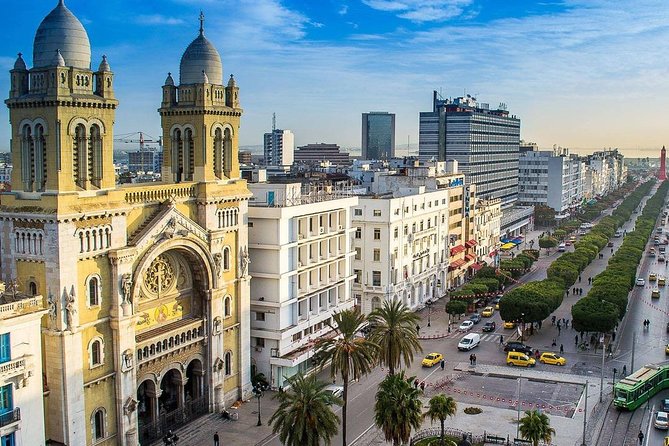
Carthage sits outside central Tunis and is protected as a UNESCO World Heritage site. The archaeological area is linked with the Punic city, the Roman period, and the later story of the site. Byrsa Hill was the center of the Punic city, and it remains the key point for understanding the ruins.
The hill is also marked by the large silhouette of Saint-Louis Cathedral at its top. That contrast gives the visit a memorable visual anchor: ancient Carthage below, a later religious building above, and the Gulf of Tunis around the site.
You have roughly two hours here, and admission is listed as free. The private vehicle helps because the archaeological remains are spread across the wider Carthage area rather than presented as one compact attraction. Your guide can keep the visit moving between the important sections instead of leaving you to work out the layout alone.
I would keep expectations realistic. Carthage is not one perfectly preserved ancient city waiting behind a single entrance. You will see archaeological remains across a broad area, and the value comes from understanding how the pieces fit together. This is where the guide’s anecdotes can make a real difference.
The tour information highlights a guide who is generous with stories and historical details. I would ask questions here, particularly if you want more attention on the Punic city, Byrsa Hill, or the later cathedral. Two hours gives you a useful introduction, but it may feel short if ancient sites are your main reason for visiting Tunisia.
Sidi Bou Said adds the day’s prettiest pause
After the museum and ruins, Sidi Bou Said changes the mood. This hilltop village is described as a balcony over the sea, with blue-and-white architecture and a picturesque setting. It is the most visual stop on the route, and I would keep a little energy for simply looking around.
The two-hour visit gives you time to enjoy the village rather than treating it as a quick photo stop. You can expect a setting shaped by white buildings, blue details, and views toward the water. The supplied information does not specify a detailed walking route, so your guide can help you decide how much time to spend on the main streets and viewpoints.
This is also the tour’s natural lunch opportunity, but lunch is not included. One particularly useful feature of the private setup is the guide’s ability to respond to a request. A seafood meal with a view was arranged for an early lunch on one outing, so you can ask about a similar plan before the day begins. The meal itself remains your responsibility, as do coffee, tea, and alcoholic drinks.
Sidi Bou Said can be more about atmosphere than formal sightseeing. I like that it breaks up the heavier museum and archaeological material. If you prefer ruins and detailed history at every stop, two hours here may feel generous. If you want a scenic, slower part of the day, it is well placed.
More Carthage and Sidi Bou Said Tours in Tunis
- Guided Bike Tour of Carthage Archeological Site in Tunisia
★ 5.0 · 88 reviews - Group Guided Bike Tour of Carthage Archeological Site in Tunisia
★ 5.0 · 57 reviews - Archaelogical Site Of Carthage + Picturesque Village Of Sidi Bou Said
★ 5.0 · 56 reviews - Historical Tour of Ancient Carthage
★ 5.0 · 51 reviews
The Medina of Tunis finishes with markets and monuments
The Medina is the historic heart of Tunis and a UNESCO World Heritage site. It is considered one of the best-preserved Arab-Muslim cities, and it gives you a very different experience from Carthage and the Bardo.
The route calls out Souk El Atarine, Place de la Kasba, and the Mosque of Zitouna, also known as the Mosque of the Olive Tree. Zitouna was the second mosque built in Ifriqiya and is the second-largest mosque in Tunisia after the Great Mosque of Kairouan.
You have about two hours in the Medina. That is enough for a guided introduction to key streets and landmarks, though not enough to know every lane or shop. I would stay close to the guide at the start. The old city is best approached with patience, since its appeal comes from details found along the way rather than from one single viewpoint.
The souk gives the final stop a more active feel. Place de la Kasba adds civic and historical context, while the mosque provides one of the main architectural landmarks. The tour description does not confirm interior access, so you should treat the mosque as a major exterior and cultural sight unless your guide tells you otherwise.
Ending here makes sense. The Medina is not simply another ruin. It is the living historic center of Tunis, where religious, commercial, and civic spaces sit close together. I would save room in your attention for the small details, not only the headline buildings.
A private car changes how the day feels
The private format is one of this tour’s strongest features. Your group alone takes part, and a professional guide and private driver remain available throughout the excursion. That gives you more control over stops, questions, meal timing, and the amount of attention given to each place.
Pickup is offered, though the supplied details do not specify every pickup point. Confirm the exact arrangement when booking. The air-conditioned vehicle matters in Tunisia, particularly on a long day that combines outdoor ruins, village streets, and city walking.
Parking fees and bottled water are included. These are modest items, but they remove two practical concerns during a packed sightseeing day. The vehicle also saves you from arranging separate transport between central Tunis, Carthage, Sidi Bou Said, and the Medina.
The private setup does not guarantee an unhurried day. The route still covers four stops, each planned at around two hours. I would tell the guide early if you care most about the museum, ancient Carthage, Sidi Bou Said, or the Medina. That makes it easier to spend your time where it matters most to you.
What the guide adds to a busy route
The guide is available throughout the excursion, not only at one attraction. That continuity is useful because the day moves across different periods and settings. You can ask about connections between the museum and ruins, then shift to questions about the village or Medina without starting from scratch each time.
The strongest praise focuses on flexibility and personal attention. A guide accommodated preferences, helped arrange an early seafood lunch with a view, and kept the day worry-free. Another account describes a friendly, competent guide who shared many anecdotes and made the visits especially enjoyable.
No guide name is provided, so I would not book this expecting a particular named expert. Instead, think of the value as access to one guide who can adjust the experience for your group. If you have dietary needs, a strong interest in archaeology, or a preference for more time in the Medina, raise those points before setting off.
What is included, and what will cost extra
The package includes:
- An air-conditioned vehicle
- A professional guide
- Bottled water
- Parking fees
- Pickup
- Listed admission for the Bardo Museum
- Listed admission for the Medina of Tunis
Carthage and Sidi Bou Said are listed without an admission charge. Lunch is not included, and neither are coffee, tea, or alcoholic beverages. Bring a plan for your midday meal, or ask the guide early about suitable arrangements.
At $152.69 per person, the price is easiest to justify for people who would otherwise need to arrange a driver, transport between several separate sights, parking, and a guide. It also offers a better fit for families or friends who want to set the day’s rhythm themselves.
The value is weaker if you are traveling alone on a tight budget, especially since the tour is private rather than a low-cost shared outing. Still, group discounts may help, and the price includes several costs that can otherwise appear one by one.
Who will enjoy this Tunis itinerary most
I would recommend this experience to a first-time visitor who wants a clear introduction to Tunis and its nearby highlights. It suits you particularly well if you want historical sites explained rather than simply photographed.
It is also a good match for families, couples, and small groups who value a private vehicle and the ability to make requests. The early seafood lunch example shows the benefit of having a guide who can adapt the day rather than follow a rigid group schedule.
You should have a moderate level of physical fitness. The day combines museum walking, archaeological grounds, village streets, and the Medina. The supplied information does not provide details about accessibility, stairs, or the exact walking distances, so ask the provider if mobility is a concern.
I would be more cautious about booking if you dislike full sightseeing days or want to spend half a day at one site. The schedule is broad by design. It introduces four important places, but it cannot offer the slow pace of a dedicated Bardo, Carthage, or Medina tour.
Booking and cancellation details
Confirmation is received at the time of booking. Since this experience is often reserved well ahead, I would secure it once your Tunis plans are firm, then check the pickup details and tell the provider about any meal or sightseeing preferences.
You can cancel for a full refund up to 24 hours before the experience begins. Cancellations or changes made less than 24 hours before the start time are not accepted for a refund. The cut-off follows local Tunis time.
Should you book this private Tunis tour?
Book it if you want maximum coverage with minimum transport planning. The Bardo Museum, Carthage, Sidi Bou Said, and the Medina show four distinct sides of Tunis, and the private guide makes the long day easier to manage.
Skip it if you want a slow archaeological study, a cheap shared excursion, or a tour with lunch already covered. For everyone else, the combination of private transport, useful historical context, flexible requests, and a well-chosen route makes this a practical first day in Tunis.
FAQ
How long does the tour last?
The excursion lasts approximately eight hours. Each of the four listed stops is planned for about two hours.
Is this a private tour?
Yes. Only your group participates, with a private car, driver, and professional guide available throughout the excursion.
Is pickup offered?
Yes, pickup is offered. The supplied details do not specify the exact pickup locations, so confirm the arrangement when booking.
Is lunch included?
No. Lunch is not included. Coffee, tea, and alcoholic beverages are also excluded, though the guide may be able to help arrange a meal request.
Are admission tickets included?
Admission to the National Bardo Museum is included. The Medina of Tunis is also listed with admission included, while Carthage and Sidi Bou Said are listed without an admission charge.
Can I cancel for a full refund?
Yes. You can cancel at least 24 hours before the experience starts for a full refund. Changes or cancellations made less than 24 hours before the start time are not accepted for a refund.
More Museums in Tunis
- Private Day Tour Tunis Medina Carthage Sidi Bou Said Bardo Museum
★ 5.0 · 30 reviews - Private Tour Sidi bou Said Medina Carthage & bardo Museum
★ 4.5 · 13 reviews - Tunis Group Tour: Carthage, Sidi Bou Said, Bardo museum & Medina
★ 5.0 · 5 reviews - Bardo Museum with Medina, Carthage and Sidi Bou Private Tour
★ 5.0 · 5 reviews
Just added around Tunis
- Dougga Guided Day Tour from Tunis★ 5.0 · 5 reviews
- Private Arrival Transfer: Tunis Airport to Tunis Hotel★ 4.5 · 5 reviews
- Tunisia 7-Day tour★ 5.0 · 6 reviews
- Roman Archeology Guided Tour Thuburbo Majus & Uthina★ 4.5 · 7 reviews
- The Medina★ 4.0 · 7 reviews
- Tunis Carthage Private Arrival Airport Transfer to Tunis★ 5.0 · 4 reviews
- Tunis Group Tour: Carthage, Sidi Bou Said, Bardo museum & Medina★ 5.0 · 5 reviews
- Daytrip to Kerkouen Unesco Site Kelibia and Houaria Caves★ 4.5 · 7 reviews
Carthage and Sidi Bou Said Tours, compared.

VIP Tour: Tunis Medina/Bardo, Sidi Bou Said, Carthage |PICKUP ALL
Read our review →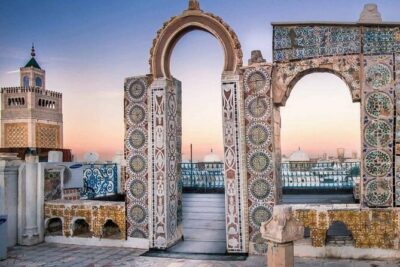
Private tour: Medina,Carthage ,Sidi Bou Said, Bardo Museum+lunch
Read our review →Private tour: Medina,Carthage ,Sidi Bou Said, Bardo Museum+lunch
Read our review →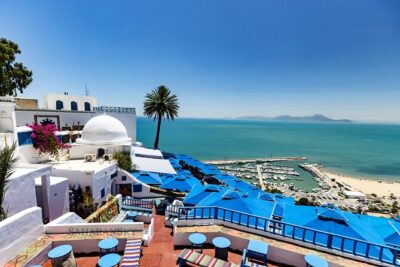
Carthage, Bardo Museum, Sidi Bou Said and Medina Private Day Tour
Read our review →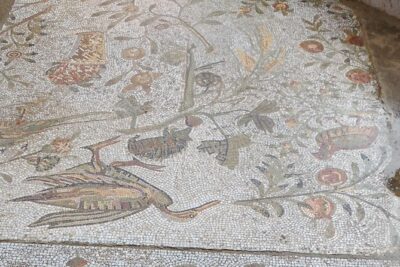
Guided Bike Tour of Carthage Archeological Site in Tunisia
Read our review →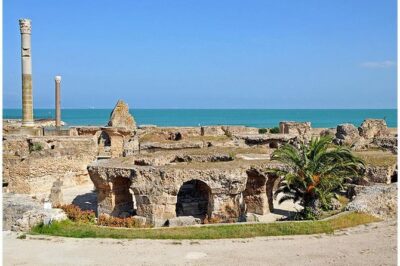
1 day excursion Tunis Sidi Bousaid Carthage departure from Sousse
Read our review →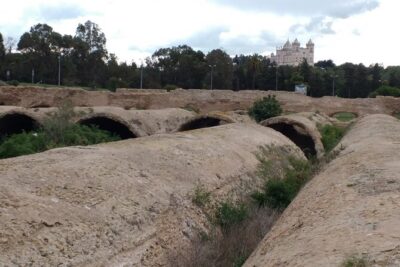
Group Guided Bike Tour of Carthage Archeological Site in Tunisia
Read our review →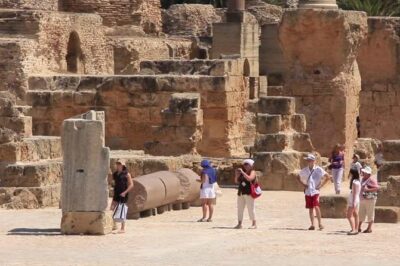
Archaelogical Site Of Carthage + Picturesque Village Of Sidi Bou Said
Read our review →Browse the lists this tour appears in