
Reviewed · CARTHAGE AND SIDI BOU SAID TOURS
Group Guided Bike Tour of Carthage Archeological Site in Tunisia
Carthage makes far more sense when you move between its ruins by bicycle. Instead of treating each site as a separate stop, you follow the old city’s story from the Punic sanctuary and ports to the Roman baths and theatre, with the sea beside you for much of the ride.
I like the small-group feel, with no more than 20 people, and I like that a professional guide brings meaning to bare stones that often have little on-site explanation. Guides such as Jiji and Yasi are praised for clear stories and strong knowledge of Carthaginian and Roman history. The main consideration is one steep section near the end, so an e-bike is wise if you do not often ride hills.
Key points at a glance
- Five important Carthage stops: Visit the Tophet, Punic Ports, Antoninus Baths, Roman Theatre, and possibly Byrsa Hill.
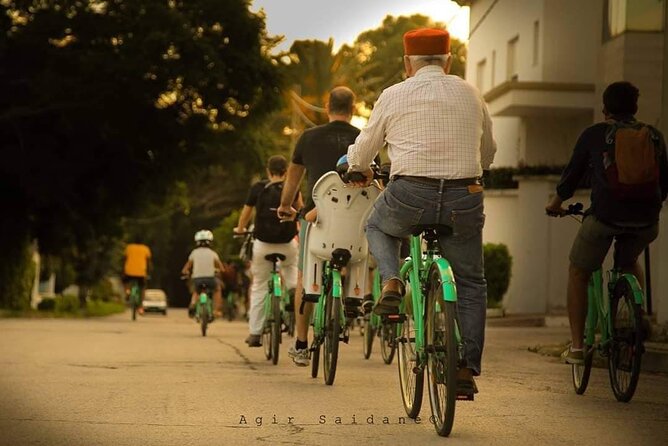
- Bicycles and helmets included: Choose a standard green bike or arrange an e-bike if you want help on the hill.
- A mostly easy route: The ride is generally flat, with one steeper climb and a relaxed pace.
- Strong guide-led interpretation: Jiji and Yasi are among the guides praised for lively stories and solid historical detail.
- Tickets are included: Admission is covered for the scheduled archaeological sites.
- Three hours with a flexible final stop: Byrsa Hill and Saint Louis Cathedral depend on time, weather, group agreement, and heat.
Why a bicycle works so well at Carthage
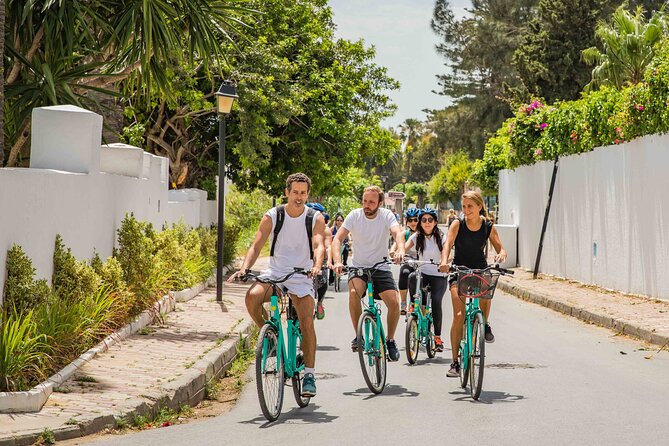
Carthage is not one compact ruin. Its remains are spread across a modern Tunis suburb, with ancient harbors, sanctuaries, bath complexes, theatres, and hilltop remains appearing in different places. On foot, the distances can make the day feel scattered. By bicycle, the sites connect.
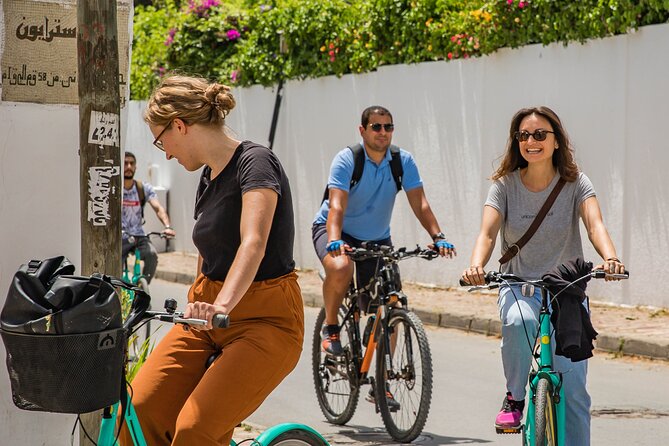
The route is planned to avoid traffic as much as possible, and the pace is intended to be easy rather than athletic. You are not signing up for a race or a long-distance ride. The cycling gives you a sense of how the ancient city was arranged, while the guide fills in the gaps between the ruins.
The road is mostly flat, but do not read easy-paced as completely effortless. There is a steep section on the climb toward Byrsa Hill. Regular cyclists may find it manageable, while anyone unused to hills should seriously consider the e-bike option. One of the useful details from the feedback is that the hill is the only repeated concern, not the overall length or pace.
You receive a bicycle and helmet as part of the price. The equipment is practical rather than polished. One rider found the bikes could have used a wash and more air in the tires, so it is sensible to check your brakes, saddle, and tire pressure before setting off.
More Carthage and Sidi Bou Said Tours in Tunis
- Private tour: Medina,Carthage ,Sidi Bou Said, Bardo Museum+lunch
★ 5.0 · 230 reviews - Carthage, Bardo Museum, Sidi Bou Said and Medina Private Day Tour
★ 4.5 · 153 reviews - Guided Bike Tour of Carthage Archeological Site in Tunisia
★ 5.0 · 88 reviews
Starting at the Tophet, Carthage’s most difficult story
The first stop is the Tophet, a Punic sanctuary that introduces you to Carthaginian religious culture. You have about 30 minutes here, with admission included.
This is an important opening because it sets up the Punic side of Carthage before the tour shifts toward the Roman period. The Tophet is not simply a place for quick photographs. Its meaning is tied to ritual and belief, and the guide’s explanation matters. Without context, the stones and markers can be hard to read.
I would pay close attention here and save questions for the guide. The attraction’s value comes less from dramatic architecture than from understanding what the site tells you about the people who built Carthage. The stop is short, which helps keep the tour moving, but it also means you get an introduction rather than a long archaeological lecture.
The Punic Ports and Carthage’s reach across the Mediterranean
Next comes the Punic Ports, another 30-minute stop with admission included. This is where the city’s maritime purpose becomes easier to picture. Carthage was built around trade, ships, and control of sea routes, and the port area gives that wider story a physical setting.
The nearby museum is part of this stop, according to the tour details. The port and museum help connect Carthage to the wider Mediterranean world rather than presenting it as an isolated ruin. You can expect the guide to explain why the harbor mattered and how it fitted into the city’s power.
The short visit is a strength if you want a broad introduction to Carthage in one morning. It may feel brief if you prefer to study every display or spend time on detailed archaeology. This tour is designed to link several sites, not to give you an entire morning inside one museum.
Antoninus Baths, the most visually impressive stop
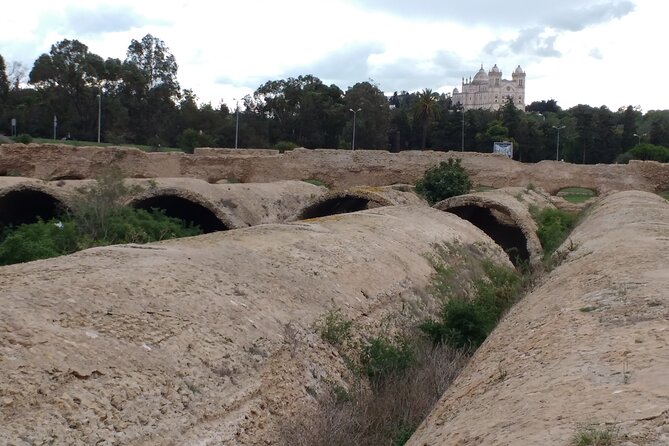
Allow about 40 minutes at the Baths of Antoninus, the longest stop on the route. The Roman bath complex sits near the sea and includes extensive ruins from one of the largest bath facilities in the Roman Empire.
This is likely to be the most visually satisfying part of the ride. The scale of the remaining structures helps you picture Roman public life, even though the complex is now open sky and broken masonry. Its position by the water adds to the appeal. You are looking at Roman engineering while also getting one of the tour’s best coastal settings.
The guide’s role is especially useful here. Large ruins can become a blur of columns, walls, and foundations when you visit alone. A good explanation helps you understand what the baths were for, how people used them, and why the complex was so important.
You should not expect a fully reconstructed Roman bath or a museum-style presentation at every corner. This is an archaeological site, and much of the experience depends on your ability to imagine the original buildings. That is one reason the guide is more than an escort. The historical explanation gives shape to what remains.
Same coast, a completely different day out:
- Private Tour to Kairouan, El Jem & Monastir from Tunis_hammamet
★ 5.0 · 301 reviews - Private Excursion to Testour, Dougga and Bulla Regia from Tunis.
★ 5.0 · 100 reviews - Guided tour in the UNESCO world heritage Medina of Tunis
★ 5.0 · 68 reviews - Archaelogical Site Of Carthage + Picturesque Village Of Sidi Bou Said
★ 5.0 · 56 reviews
The Roman Theatre, a short stop with a clear purpose
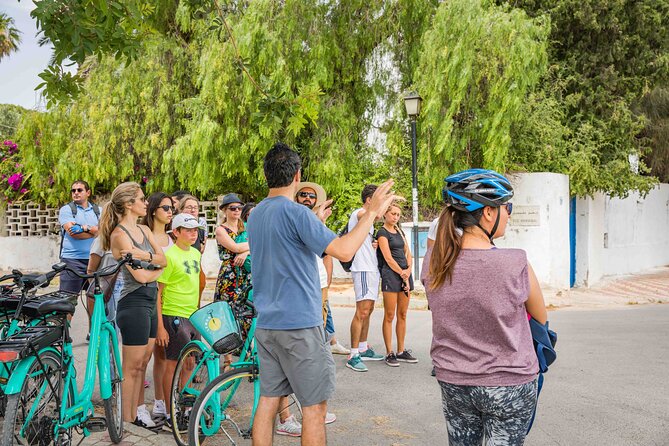
The Roman Theatre receives about 20 minutes. That is enough for a focused visit, though not enough for a long exploration.
The theatre adds a different piece to the Roman story. After the religious setting of the Tophet, the commercial world of the ports, and the public bathing complex, you see a place built for performance and communal life. The sequence helps you understand Carthage as a functioning city, not just a collection of ruins.
This stop may feel less substantial than the baths because the time is shorter. Still, it works well in a three-hour route. You get another major category of Roman public architecture without losing the rhythm of the ride.
Byrsa Hill and Saint Louis Cathedral, the flexible final chapter
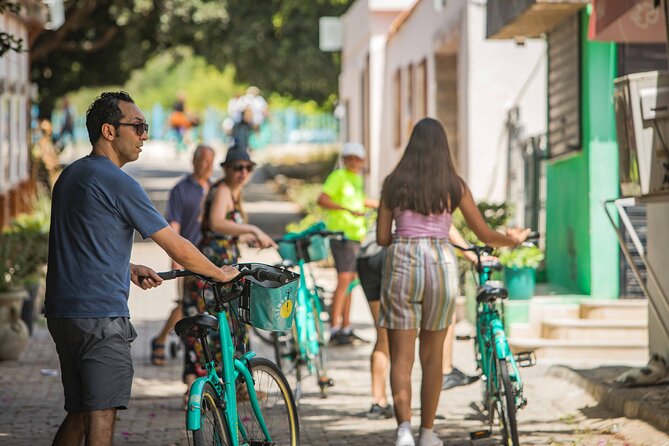
The last part of the route is less certain. If the whole group agrees and the time and weather are suitable, you may ride to Byrsa Hill, learn about its Punic architecture, and hear how the Romans changed the hill. You will also see Saint Louis Cathedral from outside.
The Carthage museum on the hill is closed, so do not plan on entering it. The cathedral is viewed without an interior visit. In very high temperatures, this stop can be dropped altogether, which is a sensible choice in Tunisia’s heat.
Byrsa Hill gives the tour a valuable closing view of Carthage, but it also explains the one hill that can challenge casual cyclists. If this part matters to you, ask about the route and e-bike option before starting. One person found the hill manageable, while others specifically advised electric assistance for riders who are not used to climbs.
There is also a practical timing issue. The full route can feel tight at three hours, especially if the group spends extra time at earlier sites or pauses for questions. One rider did not see every planned site during the tour and asked for the included admission tickets to continue on foot afterward. If you want a slow archaeological visit, treat the ride as an overview and leave room to explore independently afterward.
What the guide adds to bare ruins
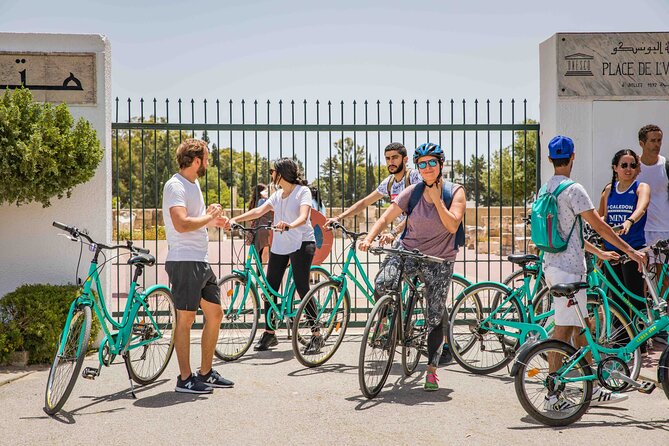
The strongest part of this experience is the human explanation between the stops. The ruins do not always provide much information on site, so the guide has to create the connections.
Jiji is praised for a warm manner and clear historical detail. Yasi is described as bringing exciting stories and strong knowledge of Carthaginian history. You are not guaranteed either guide, but their names give you a useful sense of the standard the company aims for.
The best guides do more than recite dates. They explain the tension between Punic Carthage and Roman Carthage, show how religious and commercial sites fit into city life, and point out why the sea-facing location mattered. That kind of storytelling is valuable here because the ruins are spread out and often incomplete.
The group format can also help. With a maximum of 20 people, the tour is not private, but it should remain manageable. The group must agree if Byrsa Hill is included, so the final route may reflect the pace and interests of the people riding with you.
Price, group size, and what you receive for $56.99
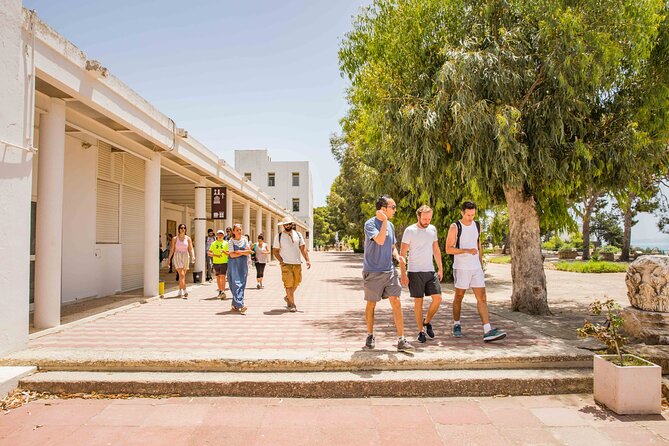
At $56.99 per person, this is not the cheapest way to see Carthage, but the price includes a bicycle, helmet, professional guide, taxes, fees, and admission tickets. You are paying for transportation between scattered sites as well as interpretation.
That makes the price reasonable for someone who wants a structured introduction in one morning. Hiring a guide alone may not provide the same smooth movement between the archaeological areas, while visiting independently requires you to arrange transport and pay attention to opening details and site locations.
The value is strongest if you care about context and want to cover several parts of Carthage without spending the day walking between them. It is weaker if you prefer to linger at one site, read every label, or move at your own pace.
The maximum group size is 20. The experience can sometimes operate with fewer people, and a booking may become private if the minimum is not met, with any price change communicated in advance. Do not assume a private ride is the normal arrangement, but do understand that group numbers can affect how the morning works.
Hotel pickup and drop-off are not included. You need to reach the meeting point at 9 Rue Hannibal, at the Carthage archaeological site. The location is near public transportation, and the activity returns to the same meeting point.
Heat, fitness, and choosing the right bike
You need a moderate level of physical fitness. The ride is about three hours, with stops along the way, and most of the cycling is easy. Still, you should be comfortable sitting on a bicycle for a substantial part of the morning and handling a hill.
Tunisia’s heat deserves attention. Byrsa Hill can be canceled in very high temperatures, and poor weather can also cancel the entire activity. Wear practical clothing, bring water, and avoid assuming that a pleasant morning will remain cool.
A standard bike should suit a regular cyclist. Choose the e-bike if you are not used to hills, if you want to conserve energy for the ruins, or if high temperatures make exertion less appealing. The e-bike is not just for people with limited fitness. It can make the tour more comfortable and leave you fresher for the historical stops.
You also need a current valid passport on the day of the activity. Keep that requirement in mind when planning your morning.
The limits of a three-hour archaeology tour
Three hours is a useful length for an introduction, but it imposes limits. You will see several major sites, yet the visits are tightly timed: 30 minutes at the Tophet, 30 at the ports and museum, 40 at the baths, 20 at the theatre, and about 15 at the possible hilltop stop.
That schedule gives you variety. It also means the experience is not designed for a specialist who wants to study inscriptions, photograph every angle, or sit quietly at the baths.
I see this as a moving orientation to Carthage. Afterward, you will know which areas deserve more time. If you have only one morning in Carthage, the bicycle format lets you cover ground efficiently. If Carthage is the main focus of a full day, use the tour to get your bearings, then return to your favorite sites on foot.
The archaeological remains themselves are not all dramatic. Some sections are fragmentary, and the appeal comes from the scale, setting, and story rather than from intact buildings. That is not a flaw in the tour, but it is worth knowing before you book. The guide-led interpretation does much of the work.
Who should book this Carthage bike tour
I would recommend it to you if you want:
- A broad first look at Punic and Roman Carthage
- A more efficient alternative to walking between spread-out ruins
- A guide who can explain sites with limited on-site information
- A relaxed ride rather than a demanding cycling excursion
- Included entry fees and equipment in one price
- The option to use an e-bike for the hill
I would choose another format if you want a private, slow archaeological study from the start, or if you dislike bicycles and hills. You may also prefer an independent visit if you want complete control over how long you spend at each ruin.
Book at least a little ahead if your schedule is fixed. The activity is often reserved about 20 days in advance, which suggests that last-minute availability should not be taken for granted. Free cancellation is available up to 24 hours before the start time. Weather or failure to reach the minimum group size can lead to a different date, another experience, or a full refund.
Should you book it?
Yes, if you want to understand Carthage as a connected city rather than a string of isolated ruins. The bicycle is the clever part: it saves time, keeps the morning active, and gives you a better feel for the distance between the ancient ports, sanctuaries, baths, theatre, and hill.
Choose the e-bike if hills are not your strength. Keep your expectations focused on a well-explained overview, not a slow museum visit. At $56.99, the combination of equipment, admission, transport between sites, and guide service makes good sense for a first visit, especially if you have only a few hours in Tunis.
FAQ
How long does the Carthage bike tour last?
The experience lasts approximately three hours, including cycling and visits to the archaeological sites.
What sites are included?
The route includes the Tophet de Carthage, Punic Ports and Museum, Baths of Antoninus, and Roman Theatre of Carthage. Byrsa Hill and Saint Louis Cathedral may be included if the group agrees and time and weather allow.
Are admission tickets included?
Yes. Admission tickets are included for the scheduled archaeological stops. Saint Louis Cathedral is viewed from outside, and the Carthage museum on Byrsa Hill is closed.
Is an e-bike available?
Yes. You can choose an e-bike if you want assistance, especially for the steeper section near Byrsa Hill.
Is the route difficult?
The route is described as having no major difficulty and is mostly flat. There is one steep section, so a moderate level of physical fitness is recommended.
Is hotel pickup included?
No. Hotel pickup and drop-off are not included. You meet at 9 Rue Hannibal, Site archéologique de Carthage, and return to the same meeting point.
How many people can join the group?
The maximum group size is 20 people.
Do I need to bring a passport?
Yes. A current valid passport is required on the day of the activity.
Can I cancel for a full refund?
Yes, if you cancel at least 24 hours before the experience start time. Cancellations or changes made less than 24 hours in advance are not accepted for a refund.
More Cycling Tours in Tunis
- Self guided bike tour of Carthage archeological site
★ 4.5 · 10 reviews - Djerba Island: 1.5-Hour Quad Biking Adventure
★ 4.5 · 17 reviews - Quad Biking (ATV) in Douz Tunisia Sahara Desert
★ 5.0 · 7 reviews
Just added around Tunis
- Dougga Guided Day Tour from Tunis★ 5.0 · 5 reviews
- Private Arrival Transfer: Tunis Airport to Tunis Hotel★ 4.5 · 5 reviews
- Tunisia 7-Day tour★ 5.0 · 6 reviews
- Roman Archeology Guided Tour Thuburbo Majus & Uthina★ 4.5 · 7 reviews
- Bardo Museum- The ruins of Carthage- Village of Sidi Bou Said★ 5.0 · 4 reviews
- The Medina★ 4.0 · 7 reviews
- Tunis Carthage Private Arrival Airport Transfer to Tunis★ 5.0 · 4 reviews
- Tunis Group Tour: Carthage, Sidi Bou Said, Bardo museum & Medina★ 5.0 · 5 reviews
Carthage and Sidi Bou Said Tours, compared.

VIP Tour: Tunis Medina/Bardo, Sidi Bou Said, Carthage |PICKUP ALL
Read our review →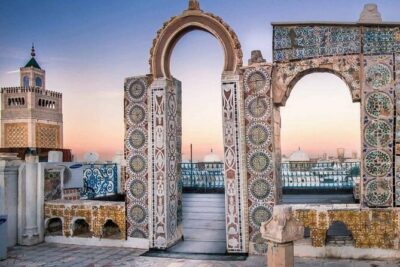
Private tour: Medina,Carthage ,Sidi Bou Said, Bardo Museum+lunch
Read our review →Private tour: Medina,Carthage ,Sidi Bou Said, Bardo Museum+lunch
Read our review →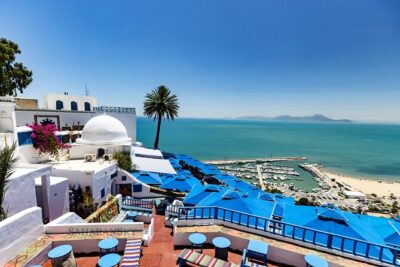
Carthage, Bardo Museum, Sidi Bou Said and Medina Private Day Tour
Read our review →
Guided Bike Tour of Carthage Archeological Site in Tunisia
Read our review →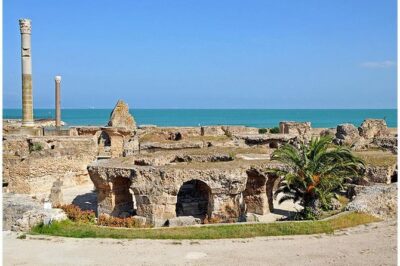
1 day excursion Tunis Sidi Bousaid Carthage departure from Sousse
Read our review →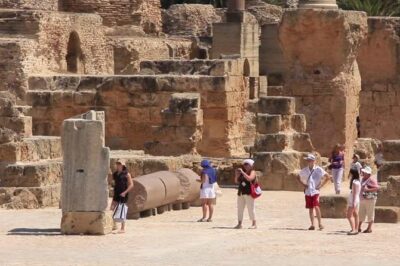
Archaelogical Site Of Carthage + Picturesque Village Of Sidi Bou Said
Read our review →
Browse the lists this tour appears in