
Reviewed · TUNIS TOURS
Tunisia 7-Day tour
Tunisia packs thousands of years into a surprisingly small country, and this eight-day private tour connects the major pieces without asking you to plan every road, ticket, and transfer yourself. You move from Carthage and the Bardo Museum to Roman Dougga, Kairouan’s mosques, desert oases, and the great amphitheater at El Jem.
I like two things right away: Jamel drives while you sightsee, and the route gives you both famous monuments and less polished places such as Toujane’s Berber homes and the salt lake. The private format also leaves room to adjust the order of visits when weather or local conditions get in the way.
The main consideration is pace. You cover a lot of ground, and some days involve long drives with several stops. Accommodation and most meals are not included, so you need to arrange hotels and budget separately from the $3,200 group price.
Key points to know before booking
- Carthage to the Sahara in eight days: The route links Tunisia’s northern ruins, central Islamic sites, Roman monuments, oases, and desert country.
- A private group of up to six: You travel with your own guide rather than joining a large coach tour.
- Jamel is the main guide: He drives, explains local history and culture, and can adjust the order or steps of the journey.
- Desert time is built in: Expect a 4WD excursion, a camelback ride, the salt lake, and visits to Chebika, Tamerza, and Ong Jemal.
- You choose your hotels: Airport transfers and hotel drop-off are included, but accommodation is not.
- Plan for moderate exertion: Ruins, medinas, uneven ground, and long touring days call for a reasonable level of fitness.
Why this route works for a first visit to Tunisia
If you want one trip to explain Tunisia’s past and present, this route makes a strong case. It begins with ancient Carthage and Roman North Africa, moves through Islamic cities and Ottoman-era medinas, then heads south to palm oases, salt flats, desert tracks, and Berber settlements.
The trip is private, which matters here. Tunisia’s sights are spread across the country, and the best order can depend on weather, road conditions, and how much time you need at each place. Jamel has reversed the schedule when heavy rain affected the first day, a practical advantage over a fixed group departure.
You also get a useful middle ground between a package holiday and independent driving. Jamel prepares each day and handles the private vehicle, but you choose where you sleep. That lets you select your preferred hotel level and location, though it also means more work before departure.
The price is $3,200 per group for up to six people. For six, that works out to about $533 per person before accommodation, meals, and drinks. For two people, the same price becomes $1,600 each, so the value improves sharply as your group grows. Ask about vehicle size if you are booking for six, since the airport transfer vehicle is described as suitable for three adults.
A few more Tunis trips to weigh up
- 7 Day Guided Tunisia Tour Including Pickup
★ 5.0 · 27 reviews
Day 1: A simple arrival in Tunis
Your first day is deliberately light. You receive a complimentary airport pickup and transfer to your hotel in an air-conditioned private car, then spend the night in Tunis.
That transfer is more useful than it sounds. After a flight, you do not need to negotiate a taxi, find a hotel, or work out local directions with luggage in hand. Since the tour does not include accommodation, you need to reserve your Tunis hotel in advance and give the provider the correct address.
There is no sightseeing listed for arrival day, which is sensible. You have time to rest before the first full day of ruins, museums, and old city streets.
Day 2: Carthage, Sidi Bou Said, and Tunis
The first sightseeing day introduces Tunisia through three very different settings: ancient Carthage, the white-and-blue village of Sidi Bou Said, and central Tunis.
At the Roman Baths of Carthage, you have about 45 minutes. The site is spread across a large archaeological area, so this is an orientation visit rather than a full archaeological study. You then see the Roman villas for about 30 minutes and spend another half hour at Byrsa Hill, the ancient center of Carthage.
Carthage is valuable because it makes Tunisia’s position in the Mediterranean easy to understand. Phoenician, Roman, and later powers all left their mark here. The stops are not equally preserved, so your guide’s explanation helps connect scattered columns, foundations, baths, and viewpoints into a readable story.
Next comes Sidi Bou Said, with about an hour to explore. Its white buildings, blue doors, and position above the sea make it one of Tunisia’s most immediately appealing stops. You are free to walk at your own pace, take photographs, and browse without an admission fee listed for the village.
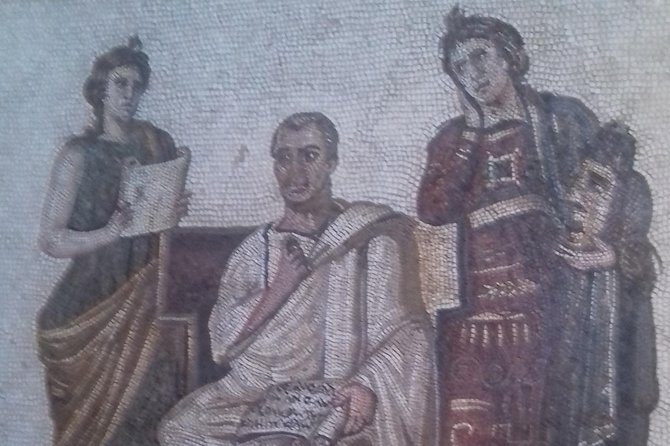
The afternoon moves indoors at the Bardo Museum, where you spend about an hour. The museum is especially important for mosaics and objects from Tunisia’s long Roman and pre-Roman past. One hour gives you a useful introduction, but if you are passionate about archaeology, you may wish to ask Jamel if the schedule can allow more time.
The day ends in the Tunis Medina, including a visit around Tunis City Hall. You get roughly an hour to see the old city. Expect a change of pace from open archaeological sites: tighter streets, traditional buildings, shops, and a more everyday urban setting.
This is a full day, but the variety keeps it moving. Wear shoes that handle uneven pavement, and do not expect every stop to feel leisurely.
Day 3: Dougga, Zaghouan, and Hammamet
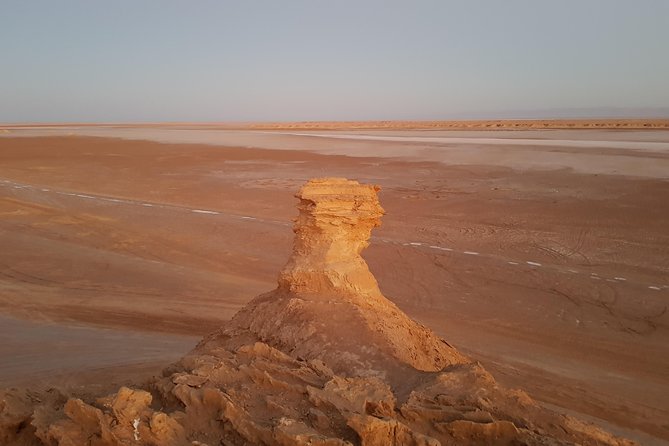
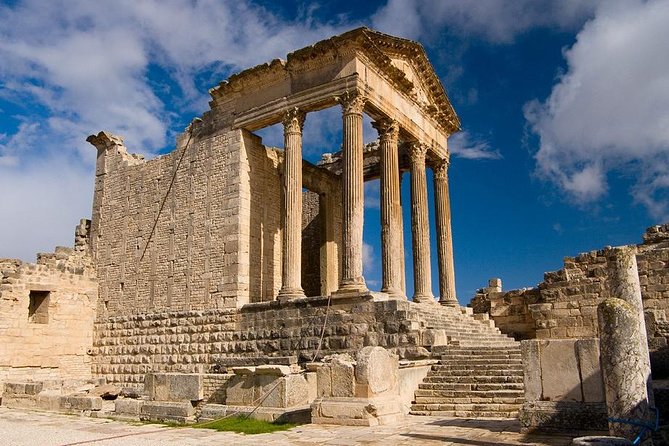
Day three reaches one of the trip’s major archaeological prizes: Dougga, often described as the best-preserved Roman town in North Africa. You have about two hours there, which is enough to see the main monuments without turning the visit into a rushed photo stop.
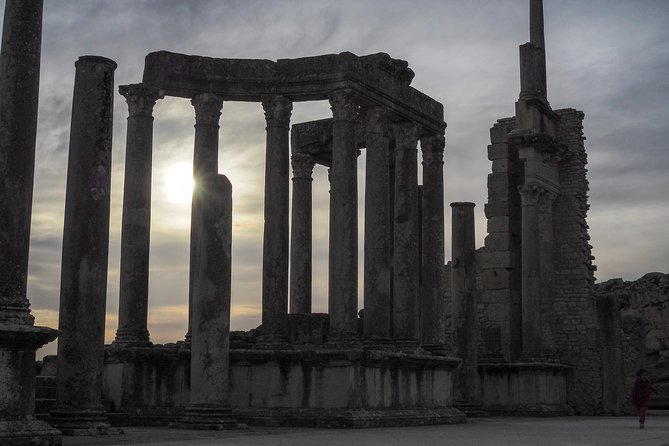
Dougga’s theater and Capitolium are central highlights. The site also rewards simple wandering, since the remains are spread through an open setting rather than packed into one compact ruin. The distance from Tunis makes private transport especially useful. You avoid having to arrange separate connections to a rural archaeological site.
The next stop is Zaghouan, known for its Roman water temple and aqueducts. The Temple of Water receives about 30 minutes. This stop adds engineering to the day’s history lesson: Roman cities needed reliable water, and the monumental system at Zaghouan shows the scale of that effort.
You spend the night in Hammamet and visit its beach and medina for about half an hour. That is a short introduction, not a resort stay. Hammamet gives you a coastal contrast after a day among inland ruins, but do not book this tour expecting long stretches of beach time.
Same coast, a completely different day out:
- Private Tour to Kairouan, El Jem & Monastir from Tunis_hammamet
★ 5.0 · 301 reviews - Private tour: Medina,Carthage ,Sidi Bou Said, Bardo Museum+lunch
★ 5.0 · 230 reviews - Carthage, Bardo Museum, Sidi Bou Said and Medina Private Day Tour
★ 4.5 · 153 reviews - Private Excursion to Testour, Dougga and Bulla Regia from Tunis.
★ 5.0 · 100 reviews
Day 4: Kairouan and the country’s Islamic center
Kairouan brings a different chapter of Tunisia into view. At the Aghlabid Basins, you spend about 20 minutes seeing the large historic waterworks. The stop is brief, but it shows how water storage supported a major inland city.
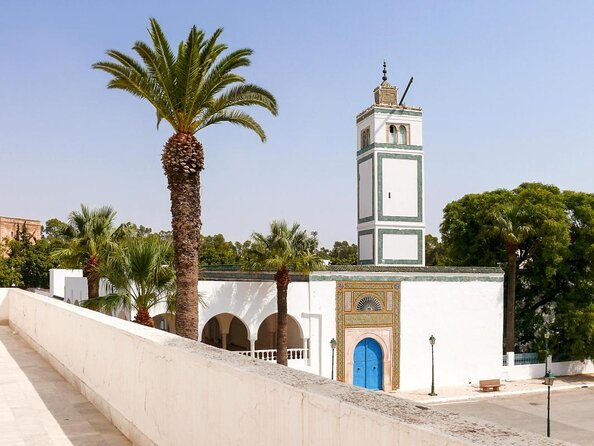
You then visit Sidi Sahbi, also called the Barber’s Mosque, for about 30 minutes. Admission is included here. Religious sites call for respectful clothing and behavior, so dress with that in mind even during warm weather.
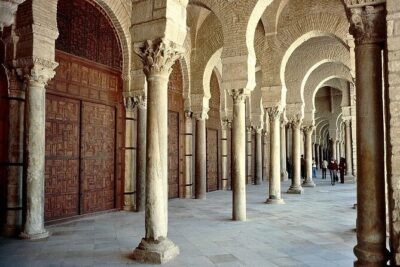
The day also includes the Great Mosque of Kairouan, with about 30 minutes allocated. The admission fee is not included, so carry extra money for that ticket. Kairouan’s religious importance gives the route needed balance. Without it, the tour could feel like a Roman archaeology circuit with desert scenery attached.
This is another day where a guide adds real value. The buildings are impressive, but context helps you understand why Kairouan matters rather than simply collecting another monument.
Day 5: Chebika, Tamerza, and Ong Jemal
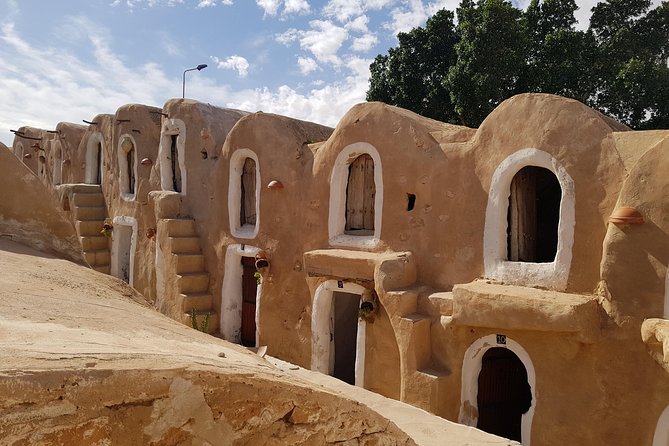
The southern portion begins with the oases around Tozeur. You visit Chebika for about an hour, then Tamerza for about 30 minutes. These stops are free of admission charges according to the tour details.
The oases are a sharp change from the northern ruins. You see how settlements and vegetation depend on water in an otherwise dry region. Chebika receives the longer visit, while Tamerza is a shorter stop, so the day is designed more as a scenic and cultural introduction than a slow walking tour.
The largest block of time goes to Ong Jemal, with about two and a half hours. This is the day’s 4WD adventure, and it is one of the experiences that makes the tour more than a standard monument route. The rougher terrain and open desert setting give you a direct sense of southern Tunisia beyond the main roads.
A 4WD outing can be tiring, especially after earlier sightseeing. Bring water, sun protection, and shoes suited to dusty or uneven ground. Food and drinks are not included, so plan for your own supplies or ask Jamel where meals and refreshments fit into the day.
Day 6: Salt lake, Sahara, and Berber homes
Day six continues through the south with a stop at the salt lake, followed by about an hour in the Sahara. Salt flats can look stark and otherworldly, but conditions and colors vary with weather and light. The allocated 20 minutes is enough for a short look and photographs, not an extended walk.
The desert segment includes an adventure in a 4WD vehicle and a camelback ride. The tour description does not specify the exact length of the camel ride, so ask before booking if that activity is a major reason for your trip. The experience is included, but food, drinks, and accommodation remain your responsibility.
You then visit Toujane, a Berber village known for troglodyte homes, with about 30 minutes at the site. A second 30-minute stop at Sidi Driss adds another cultural layer. These places help you see how people adapted homes and communities to a dry, rugged setting.
The southern days are the most physically demanding. You will deal with heat, dust, uneven ground, and time in a moving 4WD vehicle. The tour asks for moderate physical fitness, and that is a fair guide. If you have mobility concerns, the provider says the steps can be modified on request, so raise that issue before the trip rather than on the morning of departure.
Day 7: El Jem and the Sousse Medina
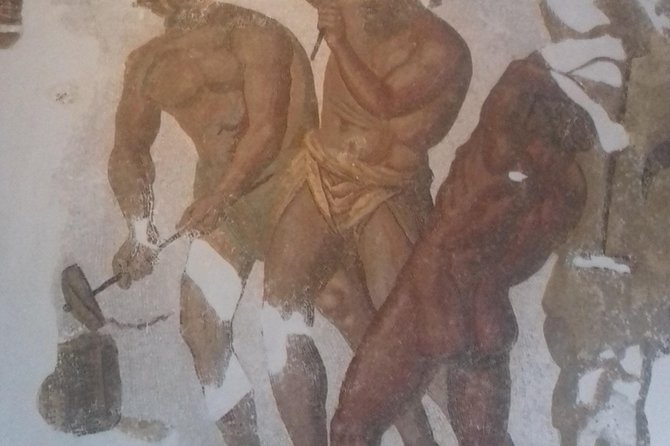
The route north begins with El Jem, home to one of the most impressive Roman amphitheaters in Tunisia. You have about an hour to explore, and admission is included.
El Jem is a strong late-trip stop because its scale is easy to grasp. You can walk through the arena and see the seating structure without needing a long explanation to appreciate the engineering. The site also provides a useful comparison with Dougga: Dougga shows an entire Roman town, while El Jem focuses your attention on one enormous public building.
The final major stop is the Medina of Sousse, a UNESCO World Heritage site, where you spend about 45 minutes. This is a short walk through the old city before returning to Tunis for the night.
The return makes for a long day, but it avoids adding another hotel change at the end of the trip. You finish where you began, which simplifies the final airport transfer.
The guide and the private touring style
The strongest feature of this experience is the guide-led format. Jamel drives, explains the sites, and can shift the schedule when weather or other local problems interfere. One account describes him as highly articulate in English and able to answer questions about both the monuments and Tunisia itself.
That flexibility is especially useful on a route this long. You are not locked into a large bus timetable, and you can request changes to the steps. Another family account praised his polite manner, English, historical explanations, and ability to choose the right time and place for well-known sights.
The guide may be multilingual, and a German-language guide named Haben Marzougui, also called Habib, is associated with one of the tour experiences. If language is important to you, confirm who will lead your departure and which languages are available.
There is one practical caution. One published response refers to a period of fuel shortages that caused long lines and forced the guide to make up time by driving faster. That appears tied to unusual conditions, not the normal plan, but it is a reminder that road days in Tunisia can be affected by local fuel or traffic problems.
Price, inclusions, and what you still need to arrange
The $3,200 price covers the private vehicle, driver-guide, airport pickup, hotel pickup and drop-off, taxes, fuel surcharge, and listed facility fees. Admissions are included at many major sites, including Carthage, the Bardo Museum, Dougga, Zaghouan, Sidi Sahbi, the desert experience, Toujane, Sidi Driss, and El Jem.
The Great Mosque of Kairouan is specifically listed as not included. Food, drinks, alcohol, souvenir photos, DVDs, and accommodation are also extra. That split is important: this is a guided touring service, not a fully prepaid package holiday.
For a group of four to six, the price can be good because transport and guiding are shared. For one or two people, compare it with a shorter private tour plus separate transport. The value comes from the breadth of the route and the time saved arranging connections, not from included hotels or meals.
Pickup is offered, and the listed operating window begins between 8:00 and 9:00 in the morning. Confirmation is normally immediate, though bookings made within seven days of travel may take up to 48 hours and depend on availability.
Who should book this Tunisia tour?
I would choose this tour if you want to see the country’s major regions in one trip and prefer not to drive long distances yourself. It suits couples, families, and small groups that value a private guide and can share the cost.
It is also a good fit if you care about context. The route is not just beaches and postcard villages. You see ancient cities, Islamic architecture, Roman water systems, desert communities, and modern Tunisian towns.
I would hesitate if you want a slow holiday with late mornings and long beach stays. The schedule is active, several days cover substantial distances, and accommodation planning is left to you. Anyone uncomfortable with uneven ruins, desert heat, camel riding, or 4WD travel should discuss modifications before booking.
Should you book it?
Book this Tunisia tour if your priority is coverage, private transport, and a guide who can adapt the plan. Jamel’s role is central, and the strongest personal accounts consistently praise his flexibility, English, cultural knowledge, and ability to make a demanding route feel more manageable.
Before paying, confirm the guide’s language, vehicle capacity for your group, the exact camel ride arrangements, hotel locations, and how meals fit into each day. If you are comfortable arranging your own accommodation and accepting a fast pace, this is an efficient way to connect Carthage, Dougga, Kairouan, the Sahara, and El Jem in one well-filled journey.
FAQ
How long is the Tunisia tour?
The tour lasts approximately eight days, with sightseeing scheduled from Day 2 through Day 7, airport arrival transfer on Day 1, and departure transfer on Day 8.
How much does the tour cost?
The price is $3,200 per group for up to six people. Accommodation, meals, drinks, and several personal purchases are not included.
Is this a private tour?
Yes. Only your group participates, with a maximum group size of six.
Is airport pickup included?
Yes. The tour includes airport pickup on arrival, an air-conditioned private transfer to your hotel, hotel pickup, hotel drop-off, and a transfer from your address to the airport at the end.
Are hotels included?
No. You choose and pay for your own accommodation. The itinerary lists overnight stays in Tunis and Hammamet, with a return to Tunis before departure.
Are entrance fees included?
Many are included, including Carthage, the Bardo Museum, Dougga, Zaghouan’s Roman Water Temple, Sidi Sahbi, the desert experience, Toujane, Sidi Driss, and El Jem. Admission to the Great Mosque of Kairouan is not included.
What level of fitness is required?
A moderate level of physical fitness is recommended. The tour includes archaeological sites, medinas, desert areas, uneven ground, a 4WD excursion, and a camelback ride. The provider says itinerary steps can be modified on request.
Just added around Tunis
- Dougga Guided Day Tour from Tunis★ 5.0 · 5 reviews
- Private Arrival Transfer: Tunis Airport to Tunis Hotel★ 4.5 · 5 reviews
- Roman Archeology Guided Tour Thuburbo Majus & Uthina★ 4.5 · 7 reviews
- Bardo Museum- The ruins of Carthage- Village of Sidi Bou Said★ 5.0 · 4 reviews
- The Medina★ 4.0 · 7 reviews
- Tunis Carthage Private Arrival Airport Transfer to Tunis★ 5.0 · 4 reviews
- Tunis Group Tour: Carthage, Sidi Bou Said, Bardo museum & Medina★ 5.0 · 5 reviews
- Daytrip to Kerkouen Unesco Site Kelibia and Houaria Caves★ 4.5 · 7 reviews
Tunis Tours, compared.
Private Tour to Kairouan, El Jem & Monastir from Tunis_hammamet
Read our review →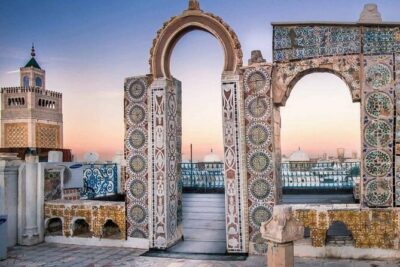
Private tour: Medina,Carthage ,Sidi Bou Said, Bardo Museum+lunch
Read our review →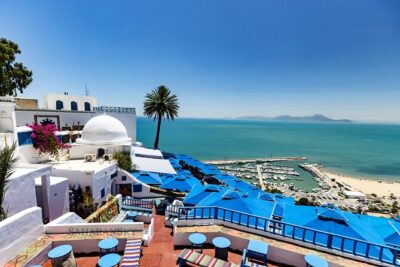
Carthage, Bardo Museum, Sidi Bou Said and Medina Private Day Tour
Read our review →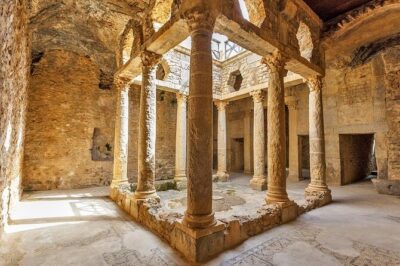
Private Excursion to Testour, Dougga and Bulla Regia from Tunis.
Read our review →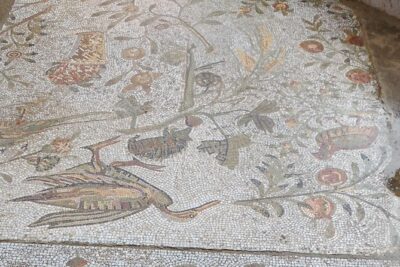
Guided Bike Tour of Carthage Archeological Site in Tunisia
Read our review →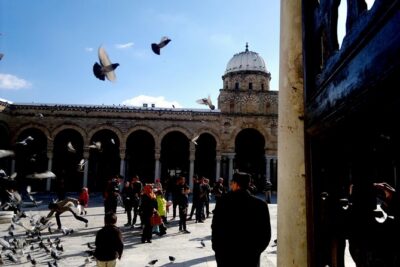
Guided tour in the UNESCO world heritage Medina of Tunis
Read our review →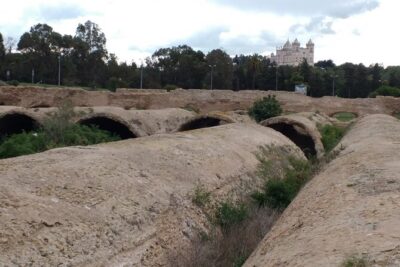
Group Guided Bike Tour of Carthage Archeological Site in Tunisia
Read our review →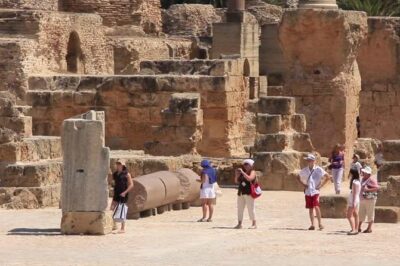
Archaelogical Site Of Carthage + Picturesque Village Of Sidi Bou Said
Read our review →Browse the lists this tour appears in