
Reviewed · CARTHAGE AND SIDI BOU SAID TOURS
Tunis: Carthage, Bardo Museum, Sidi Bou Said & Medina Group Tour
Carthage is the heart of this day. Its scattered ruins make far more sense when a guide connects the Punic city, Roman conquest, baths, ports, and aqueduct into one story. You then move from ancient stones to the blue-and-white streets of Sidi Bou Said and the tight lanes of Tunis Medina. I like the broad sweep of the route, and I like that transport, lunch, and entry fees are folded into a $45 price.
Guides such as Boutheina Derouiche, Mohamed, Younis, and Bouhdid have been praised for clear storytelling and kind, attentive help. The tradeoff is simple: this is a long, walking-heavy day, and the pace may feel rushed if you want deep time at each site. Lunch has also been described as slow or poorly organized on some departures.
Key points at a glance
- Carthage in several important settings: See the Baths of Antoninus, Byrsa Hill, Punic ports, and the Roman aqueduct area rather than only one ruin.
- A useful Tunis sampler: Combine four major sights in one day without arranging separate taxis or guides.
- A strong guide matters here: Boutheina Derouiche, Mohamed, Younis, and Bouhdid have all received praise for history, energy, and personal help.
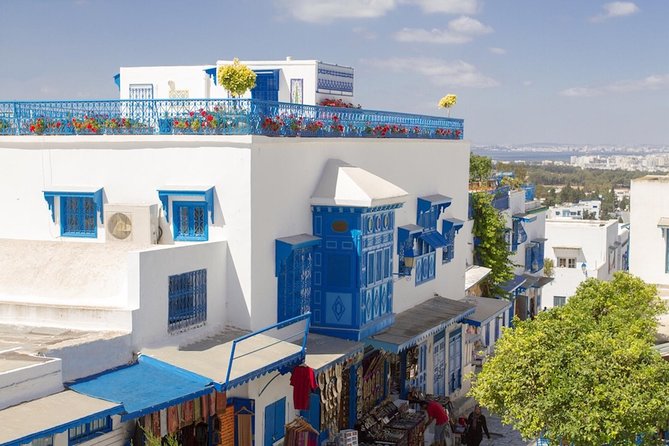
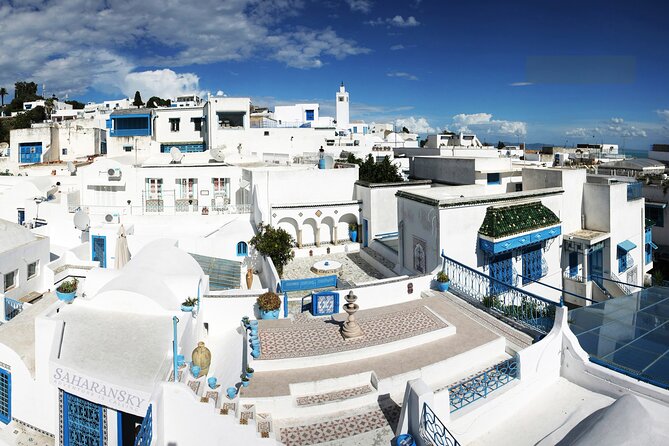
- Sidi Bou Said brings a change of mood: Expect whitewashed walls, blue details, narrow lanes, and Mediterranean views after the open archaeological sites.
- Expect serious walking: One participant recorded about five miles, including extra walking from the cruise port to the pickup hotel.
- Good value, with limits: At $45, included transport, lunch, and admissions make this a bargain, but you should not expect a private tour or a leisurely restaurant meal.
Why this route works for a first day in Tunis
This tour gives you a useful first look at three very different sides of Tunisian culture. Carthage supplies the ancient drama, Sidi Bou Said offers a scenic coastal village, and the Medina brings you into the older commercial and religious center of Tunis.
I especially like the order in broad terms. You begin with the major archaeological story, shift to an easy hour of walking and views in Sidi Bou Said, then finish among the lanes, markets, and monuments of the capital. The vehicle saves you from piecing together widely separated sites on your own.
The group can reach as many as 19 people. That keeps the cost low, but it also means the day depends on the group moving together. Some departures have had around 12 people, a size that fits comfortably in a van. A large group can make explanations harder to hear, especially inside the vehicle, and one person specifically wished the guide had used a microphone.
The start time is 8:00 a.m., and the full outing runs about seven to eight hours. That is enough time to cover the headline sights, not enough to study every ruin or linger over every shop. Think of this as a well-filled introduction rather than a specialist archaeological tour.
More Bardo Museum Tours in Tunis
- Private tour: Medina,Carthage ,Sidi Bou Said, Bardo Museum+lunch
★ 5.0 · 230 reviews - Carthage, Bardo Museum, Sidi Bou Said and Medina Private Day Tour
★ 4.5 · 153 reviews - Private Day Tour Tunis Medina Carthage Sidi Bou Said Bardo Museum
★ 5.0 · 30 reviews
Carthage: understanding a city spread across the coast
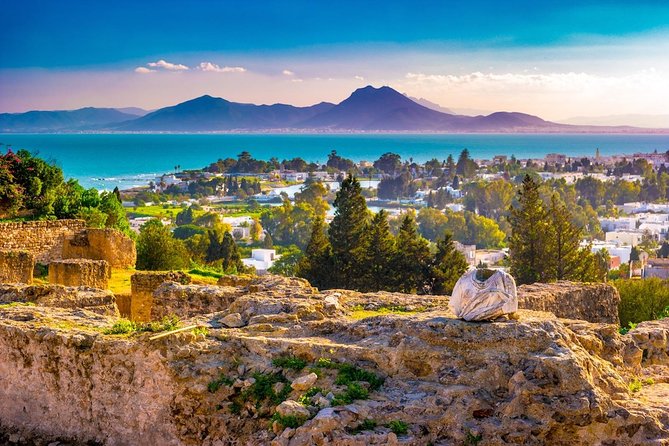
Carthage does not present itself as one compact ruin. Its remains are spread across a modern area, so a car and guide are useful. Without context, you may see broken walls, foundations, columns, and open ground. With an explanation of the city’s Punic and Roman phases, those fragments begin to form a picture of a major ancient center.
The tour allows about two hours for the broader Carthage archaeological area. The focus includes Byrsa Hill, the Punic ports, and other historic remains. Carthage was once the center of a powerful Phoenician empire, then became Rome’s North African stronghold after its destruction in 146 BC.
Byrsa Hill is important because it helps you grasp the scale and position of the ancient city. The Punic ports point to Carthage’s commercial and naval power. These are not just old stones to photograph. They show how a city was planned around trade, defense, water, and public life.
One caution: the route does not always provide equal time at every Carthage site. A four-star assessment noted that not all of the main Carthage sights were seen. If Carthage is your main reason for booking, ask at the start which areas are planned and how much time will be spent at each.
The Baths of Antoninus and Roman engineering
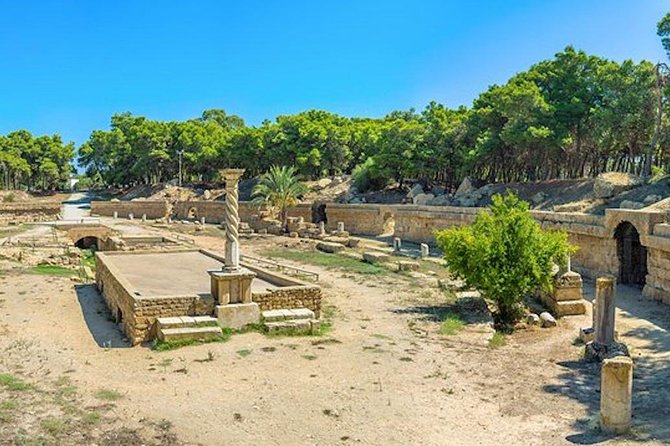
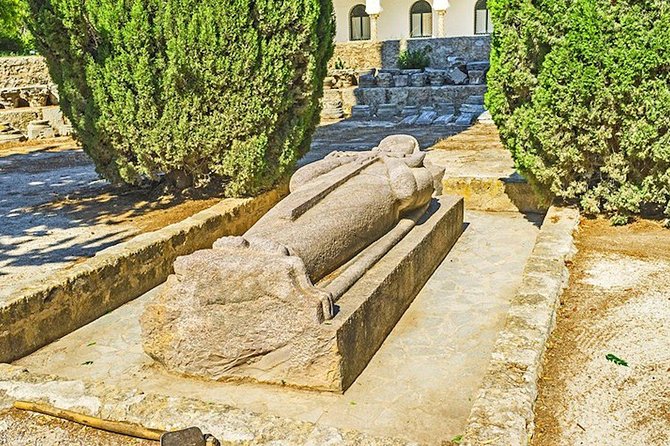
The Baths of Antoninus receive a separate stop of about 20 minutes, even though they are part of the Carthage area. Built in the second century AD, they were among the largest Roman bath complexes in North Africa.
The surviving arches, courtyards, mosaics, and structural remains show how much engineering went into Roman public bathing. The baths were not merely places to wash. They included large communal areas and heating systems, giving you a glimpse of how public buildings supported daily social life.
Twenty minutes is enough for an introduction and photographs, especially with a guide pointing out what you are seeing. It is not enough for a slow architectural study. Wear shoes that can handle uneven ground, and keep some energy in reserve. The day has only just begun.
The Carthage Aqueduct: a short stop with a large story
The aqueduct stop lasts about 20 minutes. The Roman system stretched more than 130 kilometers to carry water to Carthage, a reminder that ancient power depended on practical infrastructure as much as temples and monuments.
You will see surviving arches and structures, then hear how water management supported the city. This stop is especially useful if you enjoy engineering, urban planning, or the less glamorous machinery behind ancient life.
It is a brief visit, so do not expect a long walk along the entire aqueduct. The value comes from the explanation and from seeing how the Roman city depended on a large regional network. In a private itinerary, you might spend longer here. On this group outing, it works as a focused roadside stop between the larger Carthage visits.
More Carthage and Sidi Bou Said Tours in Tunis
- Guided Bike Tour of Carthage Archeological Site in Tunisia
★ 5.0 · 88 reviews - Group Guided Bike Tour of Carthage Archeological Site in Tunisia
★ 5.0 · 57 reviews - Archaelogical Site Of Carthage + Picturesque Village Of Sidi Bou Said
★ 5.0 · 56 reviews - Historical Tour of Ancient Carthage
★ 5.0 · 51 reviews
Sidi Bou Said: blue doors, white walls, and uphill lanes
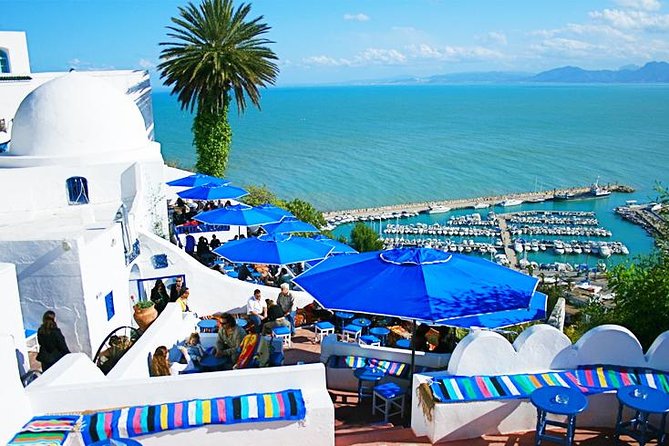
After the ruins, Sidi Bou Said feels like a change of channel. The village is known for white buildings, blue architectural details, narrow streets, and views toward the Mediterranean. You have about an hour to walk around, take photographs, and enjoy the artistic feel of the place.
This is often the most immediately charming part of the day. You are not trying to decode foundations or follow a long historical timeline. You are simply walking through a pretty village with a strong visual identity.
The village is not flat. One participant described the day as strenuous and warned about uphill walking in Sidi Bou Said. If your knees, balance, or stamina are limited, tell the guide early. Another participant’s driver was especially helpful with a husband using a walker, but the supplied details do not promise full wheelchair access.
The Café des Délices is passed during this portion, with about 25 minutes available for a tea or drink and photographs. The stop is free to enter, but any drink is an extra personal purchase unless your departure specifically says otherwise. Treat it as a scenic pause, not a required meal stop.
Weather matters here. Sidi Bou Said is exposed, and the day can include strong wind, rain, or dust. Bring sun protection and a light layer, but also be ready for changing conditions. The tour runs in weather the operator cannot control, and the open-air sections are less enjoyable in a storm.
Lunch at the practical end of the price scale
Lunch is included, which helps explain the tour’s value. At $45 per person, you are paying for a full day of transport, a guide, admissions, and a meal. That is a strong deal if you want broad coverage without managing the details yourself.
The meal is not the part to build your expectations around. One person found lunch delicious, while other feedback described the restaurant as basic, slow, or disorganized. Another complaint was that seats did not seem to be reserved, leaving the group waiting.
That mixed picture suggests the meal can vary by departure, timing, or personal taste. If lunch is important to you, ask what kind of restaurant is planned. A vegetarian option is available, but you need to request it when booking.
The operator has also made clear that this is a low-cost group tour, not a fine-dining experience. I think that is fair. The best value lies in covering Tunis, Carthage, and Sidi Bou Said in one day, not in expecting a polished culinary event.
The Bardo Museum and an important itinerary check
The tour description includes the National Bardo Museum, one of Tunis’s major cultural stops, with admission listed as included. The supplied timing shows a two-hour museum-related stop, but the written details under that stop describe the Medina rather than museum galleries. The later Medina stop then lists another hour.
Because of that mismatch, confirm the exact order and museum access before you go. The Bardo Museum has also been closed on at least one departure, although the day continued with other sights. Opening arrangements can change, and the advertised route may be adjusted.
If the museum is operating, allow time for mosaics and collections tied to Tunisia’s long sequence of Punic, Roman, and later civilizations. If it is closed, your day will lean more heavily toward Carthage, Sidi Bou Said, and the Medina. Do not book this tour solely for a guaranteed long museum visit without checking the current schedule.
The possible two-hour allocation makes the Bardo a substantial part of the plan, but the conflicting stop descriptions mean you should treat the timing as approximate. This is one of the few points where a quick message to the operator can prevent disappointment.
Entering the Medina through Bab Bhar
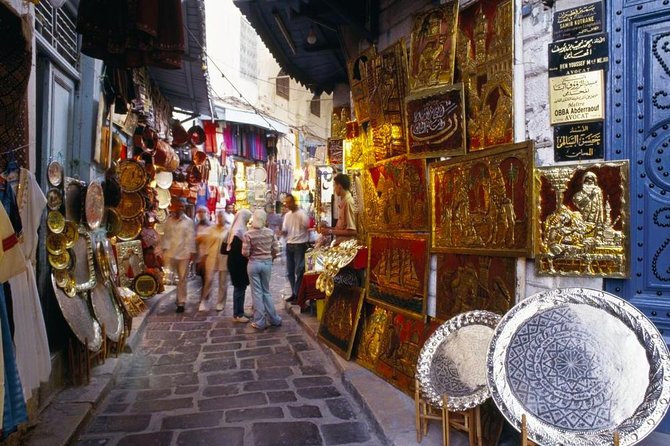
The Medina of Tunis is the day’s most active stop. Its narrow, winding lanes lead through souks, historic buildings, mosques, and workshops. You have about an hour listed for the Medina itself, though the broader schedule also gives two hours to a stop whose description appears to combine the Bardo and Medina.
That uncertainty matters because an hour in the Medina is enough for an introduction, not a complete exploration. You can follow the guide through the main lanes, see traditional handicrafts, and get a feel for the old city. You will not have time to inspect every market or shop.
Bab Bhar, also known as the Sea Gate, is passed during the Tunis portion. The gate marks the change between the old Medina and the newer city. Its Ottoman-era architectural details make it a useful orientation point before you enter the old streets.
The Medina can be confusing without a guide. Streets turn sharply, landmarks can be easy to miss, and the commercial lanes change in character from one block to the next. Your guide’s value here is not only historical explanation. It is also helping you keep track of the route and avoid wasting your limited time.
Zitouna Mosque and respectful sightseeing
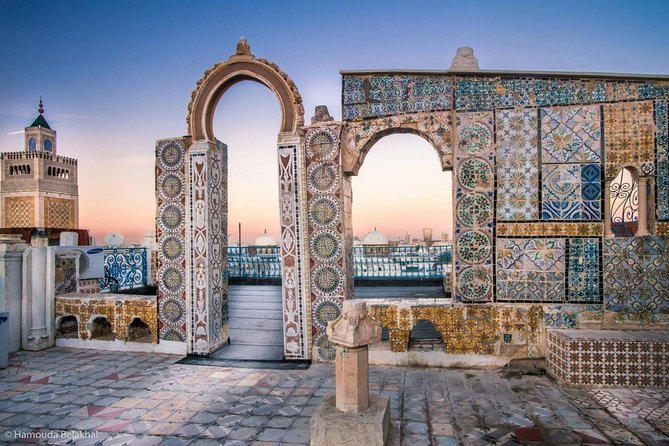
The Zitouna Mosque is viewed from the outside for non-Muslim visitors. Muslims may enter, while others can appreciate the façade and the surrounding streets. Dress and behavior should be respectful around the mosque, as you would at any active religious site.
This is a short architectural and cultural stop rather than a full interior visit. The mosque helps explain why the Medina is more than a shopping district. Its religious buildings, schools, markets, and homes form a working historic center.
You may also have time to browse local crafts. Keep in mind that the tour is not described as a dedicated shopping trip. If you want long bargaining sessions or careful buying time, the one-hour Medina allocation may feel tight.
What the guides add to the day
The strongest part of this experience is the human element. Boutheina Derouiche has been singled out for enthusiasm, clear explanations, and careful attention to different needs. Mohamed has been praised for bringing Carthage to life through storytelling. Younis and Bouhdid have also been described as helpful and engaging.
Guide quality can vary by departure, but the pattern here is encouraging. The best guide for this route does more than recite dates. You need someone who can connect Punic Carthage, Roman public life, Islamic Tunis, and modern Tunisia without turning the day into a lecture.
The tour can provide guides in languages other than English for bookings of two or more adults. Confirm your language when you book. The driver may not speak the same language as the guide, and the driver’s main role is transport rather than site interpretation.
The personal care described on some departures is worth noting. One guide helped arrange a hotel return when a participant had to leave early, and one driver assisted a person using a walker. Those gestures do not guarantee the same arrangement every time, but they show why it is useful to explain mobility or timing concerns before departure.
Transport, pickup, and cruise-port advice
Hotel pickup and drop-off in Tunis are included, which removes much of the morning hassle. The tour starts at 8:00 a.m., so have your hotel details ready and confirm the pickup point clearly.
Cruise passengers should pay close attention. One person had to walk from the port to the Lido Hôtel in La Goulette to meet the group, then received a closer drop-off at the end. Do not assume that pickup happens directly at your ship. Ask where the vehicle will meet you and allow enough time to get there.
The vehicle makes this route practical. Carthage’s sites are spread out, and moving between Carthage, Sidi Bou Said, Bardo, and the Medina on public transport would take more planning. The downside is that a group van can feel crowded, and explanations may be hard to hear from the back without a microphone.
Is $45 a good deal?
Yes, for the right kind of day. The price includes pickup, transportation, lunch, entry fees, and a guide, and it covers several of Tunis’s headline sights. Arranging all of that separately would cost more in time and likely more in transport.
The low price also explains the compromises. This is a group tour capped at 19 people, not a private car with flexible stops. Lunch may be basic, site time is limited, and the schedule can feel packed.
I would call it excellent value for a first visit, especially if you have only one day in Tunis. I would choose a private or specialized tour if you care most about archaeology, museum collections, photography, food, or unhurried shopping.
Book about two weeks ahead if you can, since the experience is commonly reserved around 13 days before departure. A booking for one adult needs confirmation 12 hours before the tour date. Two or more adults are automatically confirmed and guarantee departure, according to the booking conditions. The experience is non-refundable and cannot be changed, so check your schedule carefully before paying.
Who should book this Tunis day tour?
I recommend it for first-time visitors who want the major sights in one organized day. It also suits people who prefer a guide’s explanation to reading signs or arranging several rides.
It is a good match for history fans who want both Punic and Roman Carthage, then a taste of modern Tunisian urban life. Families can benefit from the variety, though younger children may tire during the long day and the uphill streets of Sidi Bou Said.
I would hesitate if you dislike fixed schedules, crowded vans, or group meals. I would also think twice if you need a fully accessible route, since the day includes uneven archaeological ground, narrow Medina lanes, and uphill walking. Contact the operator before booking with any mobility concern.
Should you book it?
Book this tour if you want a low-cost, wide-ranging introduction to Tunis and accept that the day will be full. The guide, vehicle, and included admissions make a complicated route simple, while Carthage and Sidi Bou Said provide two very different and memorable settings.
Before booking, confirm three things: the current Bardo Museum schedule, the exact cruise-port pickup point if you are arriving by ship, and the lunch arrangement. If those details suit you, this is a sensible way to get your bearings in Tunis without spending your first day negotiating transport.
FAQ
How long does the tour last?
The experience lasts approximately seven to eight hours and starts at 8:00 a.m.
Is hotel pickup included?
Yes. Hotel pickup and drop-off in Tunis are included.
What is the price?
The listed price is $45 per person.
Are admission fees included?
Yes. Admission fees for the included paid attractions are listed as included.
Is lunch included?
Yes, lunch is included. A vegetarian option is available if you request it when booking.
How many people can join the tour?
The maximum group size is 19 people.
Can I book a guide in another language?
Yes. Guides in other languages are available for bookings of two or more adults. Confirm your preferred language when booking.
Can non-Muslims enter the Zitouna Mosque?
Non-Muslims cannot enter the mosque, but they can view its exterior and surrounding area. Muslims may enter.
What happens if I book for only one adult?
A booking for one adult requires confirmation 12 hours before the tour date. Bookings for two or more adults are automatically confirmed and guarantee departure.
More Museums in Tunis
- Private Tour Sidi bou Said Medina Carthage & bardo Museum
★ 4.5 · 13 reviews - Tunis Group Tour: Carthage, Sidi Bou Said, Bardo museum & Medina
★ 5.0 · 5 reviews - Bardo Museum with Medina, Carthage and Sidi Bou Private Tour
★ 5.0 · 5 reviews - Bardo Museum- The ruins of Carthage- Village of Sidi Bou Said
★ 5.0 · 4 reviews
Just added around Tunis
- Dougga Guided Day Tour from Tunis★ 5.0 · 5 reviews
- Private Arrival Transfer: Tunis Airport to Tunis Hotel★ 4.5 · 5 reviews
- Tunisia 7-Day tour★ 5.0 · 6 reviews
- Roman Archeology Guided Tour Thuburbo Majus & Uthina★ 4.5 · 7 reviews
- Bardo Museum- The ruins of Carthage- Village of Sidi Bou Said★ 5.0 · 4 reviews
- The Medina★ 4.0 · 7 reviews
- Tunis Carthage Private Arrival Airport Transfer to Tunis★ 5.0 · 4 reviews
- Tunis Group Tour: Carthage, Sidi Bou Said, Bardo museum & Medina★ 5.0 · 5 reviews
Carthage and Sidi Bou Said Tours, compared.

VIP Tour: Tunis Medina/Bardo, Sidi Bou Said, Carthage |PICKUP ALL
Read our review →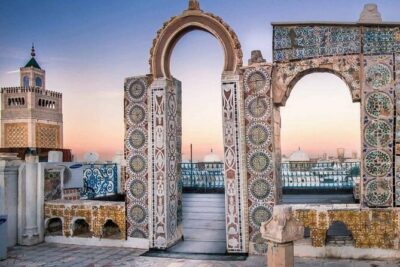
Private tour: Medina,Carthage ,Sidi Bou Said, Bardo Museum+lunch
Read our review →Private tour: Medina,Carthage ,Sidi Bou Said, Bardo Museum+lunch
Read our review →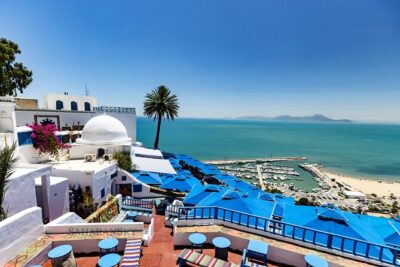
Carthage, Bardo Museum, Sidi Bou Said and Medina Private Day Tour
Read our review →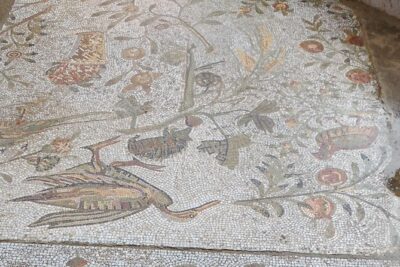
Guided Bike Tour of Carthage Archeological Site in Tunisia
Read our review →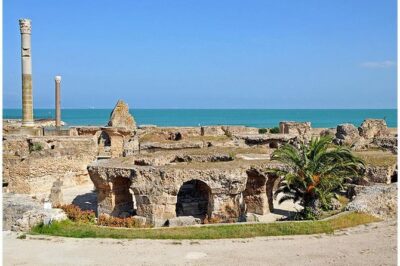
1 day excursion Tunis Sidi Bousaid Carthage departure from Sousse
Read our review →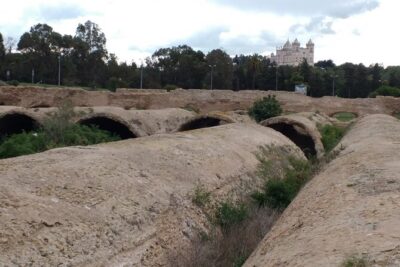
Group Guided Bike Tour of Carthage Archeological Site in Tunisia
Read our review →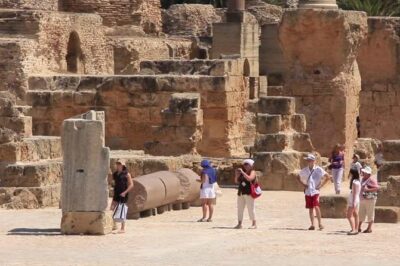
Archaelogical Site Of Carthage + Picturesque Village Of Sidi Bou Said
Read our review →Browse the lists this tour appears in