
Reviewed · DOUGGA AND BULLA REGIA TOURS
Bulla Regia and Beni Mtir Cascade Daytrip from Tunis
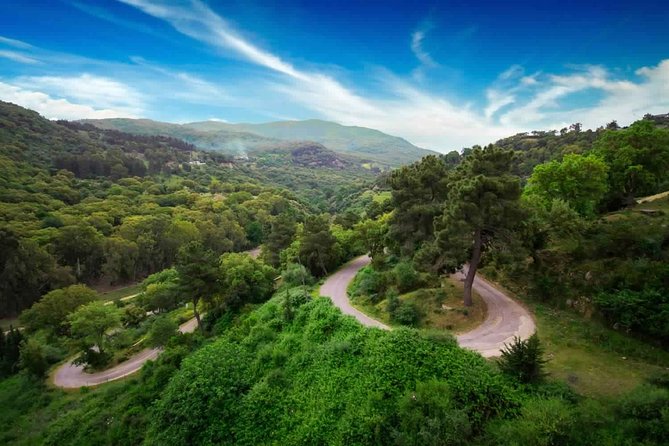
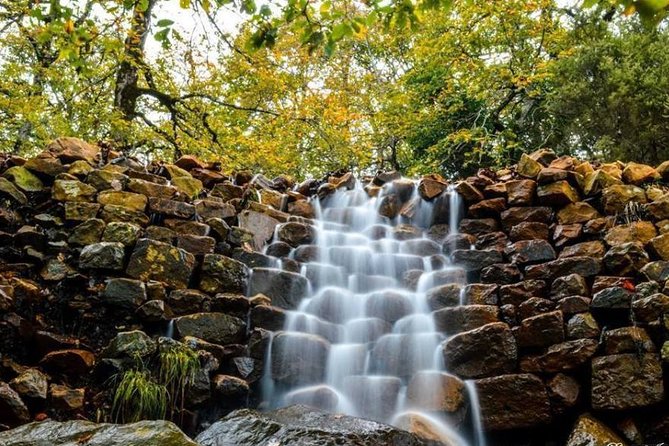
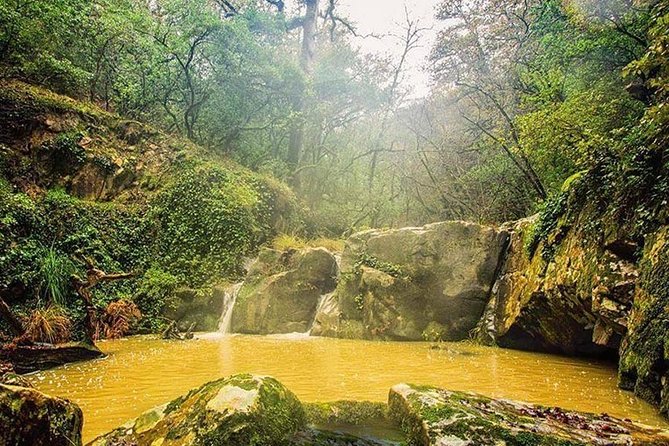
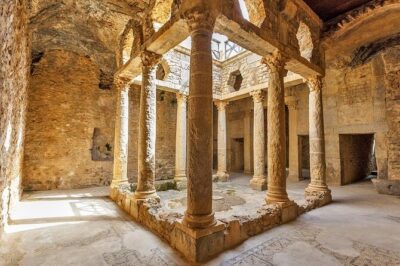
Bulla Regia is the star here: a Roman-era town where several fine houses were built partly underground to escape the heat. You’ll see mosaics, baths, and ancient civic buildings before heading into the Kroumirie region for the tidy mountain village of Beni M Tir and its dam. The contrast is excellent, moving from archaeology to northern Tunisia’s greener hill country in one day.
I like the private door-to-door transport and the fact that admission to Bulla Regia is included. Wi-Fi, air conditioning, and commentary in English, French, or German make the long outing easier. The main drawback is the price, $141.36 per person, plus lunch, so the value is strongest for couples, families, or small groups who want comfort and a flexible private outing.
Key points to know before you book
- Underground Roman houses: Bulla Regia is known for villas set below ground, with mosaics and rooms that make ancient daily life easier to picture.
- Two very different stops: Pair Roman, Carthaginian, and Byzantine remains with Beni M Tir’s mountain setting and dam.
- Private transport from Tunis: You travel door to door in an air-conditioned vehicle with Wi-Fi rather than joining a large coach group.
- Three commentary choices: You can receive explanations in English, French, or German.
- Lunch costs extra: The tour includes transport, site admission, taxes, and Wi-Fi, but not your midday meal.
- Good cancellation window: Cancel at least 24 hours before departure for a full refund. Poor weather can also lead to a new date or full refund.
Why Bulla Regia is worth the long ride from Tunis
Bulla Regia sits north of Jendouba in the Medjerda Valley, amid Tunisia’s cereal plains. That setting matters because this was never just an isolated ruin. The valley helped attract successive powers, and the remains reflect Carthaginian, Numidian, Roman, and Byzantine periods.
The city was created in the 4th century BC. Rome took control in 203 BC, and in 156 BC it became the capital of the Numidians under Massinissa, a major Roman ally. Those dates can blur together on a quick visit, but a good guide helps you connect the surviving stones to the political changes that shaped the town.
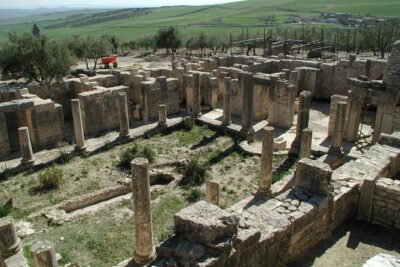
I would not come expecting one grand monument that explains everything at a glance. Bulla Regia rewards attention. You move through a spread-out archaeological site, looking at houses, public buildings, baths, mosaics, and other remains. The appeal is the way individual details build a picture of a working town.
The most memorable feature is the underground design of several Roman homes. These lower rooms helped residents deal with the region’s heat. Instead of admiring a façade from a distance, you can consider how a Roman household used shaded, cooler spaces below street level.
The mosaics are another strong reason to make the trip. They offer patterns and scenes that bring color to otherwise weathered stone. One of the most useful comments from the tour feedback was that the guide’s explanations made it easier to picture how the city looked in the 3rd century AD. That is exactly the help you want at a site like this.
Without context, a mosaic is a beautiful floor. With context, it becomes part of a home, a bath, or a public place used by people who lived here nearly two thousand years ago. The guide’s historical explanation is central to the experience, so this is not the best choice if you prefer to walk silently through ruins with no interpretation.
More dougga and bulla regia tours in Tunis:
- Private Excursion to Testour, Dougga and Bulla Regia from Tunis.
★ 5.0 · 100 reviews - Full Day Dougga & Bulla Regia Via Testour Private tour with Lunch
★ 5.0 · 29 reviews - Private Guided Tour of Dougga and Testour Mosque
★ 4.5 · 15 reviews
The two-hour Bulla Regia visit
The planned time at Bulla Regia is about two hours, with admission included. That is enough for a meaningful introduction, though not enough to study every visible feature at a leisurely pace.
You should expect walking around an open archaeological site and entering some of its most notable structures. Comfortable shoes are sensible, though the available information does not specify the exact ground conditions or amount of shade. The tour requires good weather, so conditions can affect the day.
The site’s attractions include millennia-old mosaics, thermal baths, and an amphitheater. Each gives you a different angle on ancient life. The baths point to public routines and Roman engineering. The amphitheater brings a sense of entertainment and civic life. The mosaics reveal decoration, taste, and the money spent on private or public interiors.
I like that the tour does not treat Bulla Regia as a quick photo stop. Two hours gives the guide time to explain the cultural layers, from Carthaginian and Numidian connections through Rome and the Byzantine era. Still, keep your expectations realistic. Archaeological sites are exposed and uneven, and the experience depends in part on how much history you enjoy absorbing on foot.
The private format should help here. Your group does not need to follow a large crowd or wait for strangers at every stop. You can ask questions and spend more time on a mosaic or building that catches your interest, although the exact degree of flexibility is not specified.
Beni M Tir and the dam in the Kroumirie region
After Bulla Regia, the outing continues to Beni M Tir, a mountain village a few kilometers from Bulla Regia and Ain Draham. The village is in the Kroumirs’ Berber tribal region, giving this stop a different cultural setting from the Roman ruins.
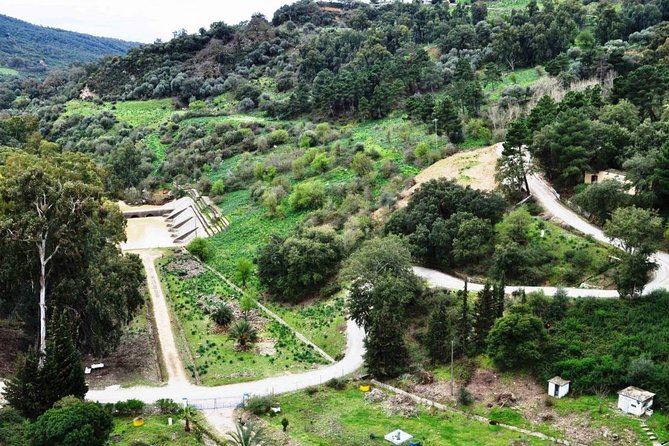
Beni M Tir was built in 1948 to house the engineers and workers who came to construct the dam. Its architecture has been kept consistent by a municipal decree. You can expect tiled roofs, matching façades, black shutters, and red frames, rather than a town that has grown in a random mix of styles.
The village overlooks its namesake dam. The supplied details do not promise a dam tour, boat ride, or guided walk along the water, so I would think of this as a scenic and architectural stop, not a technical engineering visit. You’ll see the village and its setting, with time to take in the relationship between the planned settlement and the water project below it.
The two-hour allocation is generous compared with a brief roadside pause. It gives you a chance to look beyond the standard ancient-sites circuit and see a more recent chapter of northern Tunisia. I especially like that the visit adds local architecture and Berber-region identity to a day otherwise dominated by antiquity.
At the same time, Beni M Tir may feel quieter and less immediately dramatic than Bulla Regia. If your only goal is Roman archaeology, the second stop could seem like a detour. If you want variety, it is what keeps the excursion from becoming a full day of similar ruins.
A private ride that makes the distance easier
The experience lasts roughly seven to eight hours, including travel from Tunis and time at both stops. Since the route reaches the Medjerda Valley and then continues toward the Kroumirie mountains, private transport is a practical part of the value, not just a comfort extra.
You receive pickup and private transportation in an air-conditioned vehicle. Wi-Fi is available onboard, which can be useful during a long road journey. The door-to-door format also removes the need to work out separate connections to two sites outside Tunis.
This is a private activity for your group only. That matters most if you are traveling with family, friends, or a small party that values its own pace. You can listen to commentary in English, French, or German, and ask questions without competing with a full busload of people.
The tour does not name the guide in the available details, so I cannot tell you to request a particular person. I can tell you to pay attention to the quality of the historical commentary when making your decision. The strongest praise focuses on the guide’s ability to explain Bulla Regia in a way that makes the ancient city easier to imagine.
Private does not automatically mean luxurious. The listed inclusions are straightforward: air conditioning, Wi-Fi, transport, site admission, and all fees and taxes. There is no stated hotel category, premium meal, or special access. You are paying mainly for a dedicated vehicle, a guide, and an efficient day beyond Tunis.
Same coast, a completely different day out:
- Private Tour to Kairouan, El Jem & Monastir from Tunis_hammamet
★ 5.0 · 301 reviews - Private tour: Medina,Carthage ,Sidi Bou Said, Bardo Museum+lunch
★ 5.0 · 230 reviews - Carthage, Bardo Museum, Sidi Bou Said and Medina Private Day Tour
★ 4.5 · 153 reviews - Guided Bike Tour of Carthage Archeological Site in Tunisia
★ 5.0 · 88 reviews
Is $141.36 a fair price?
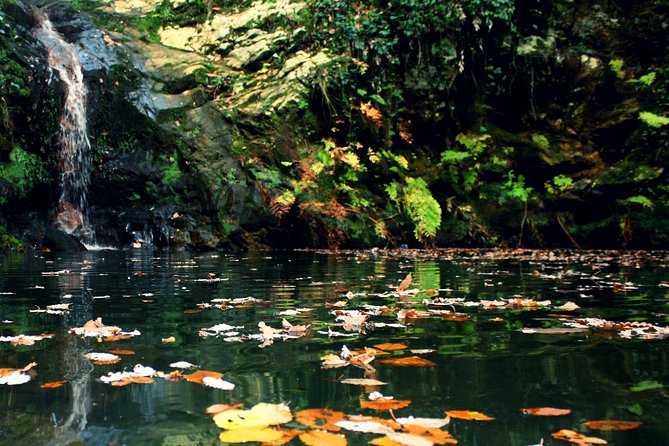
At $141.36 per person, this is not a budget day out. The price makes more sense when you split it across the elements included: private transport from Tunis, an air-conditioned vehicle, Wi-Fi, guide commentary, admission to Bulla Regia, and a full day on the road.
For one person, the cost may feel high, especially because lunch is extra. For two or more people, the private format becomes easier to justify because you are buying a dedicated outing rather than a seat on a basic transfer. Group discounts are offered, but the amount is not specified, so ask for the current group rate before booking.
I would compare this with the cost and effort of arranging the route yourself. You would need transport to Bulla Regia, a way to reach Beni M Tir, entrance admission, and enough local knowledge to understand what you are seeing. The tour packages those pieces together and removes much of the planning.
The value depends on your priorities. History fans will likely get the most from the price, especially if clear explanations and a private setting matter to you. If you are mainly looking for a cheap scenic drive, the price is harder to defend.
Plan for lunch separately. It is not included, although one piece of tour feedback praised a local lunch connected with the guides. Since the official inclusions do not cover meals, treat that as an optional possibility rather than a guaranteed part of the package. Ask in advance what food arrangements are available and what you should budget.
Who will enjoy this day trip most?
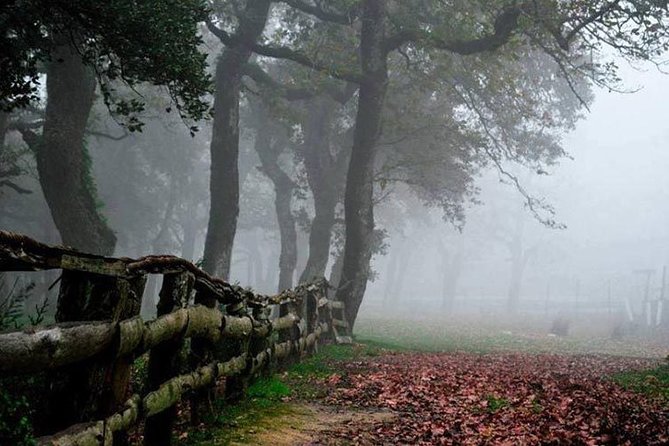
I would recommend this excursion to you if you have already seen Tunis and want one substantial day beyond the capital. It suits people who enjoy ancient sites but also want a change of pace, with a village, dam, and mountain region added to the schedule.
It is also a good fit for small private groups. Families can avoid a fixed large-group pace, and couples or friends can share the transport cost. The private setting lets you focus your questions on the subjects you care about, from Roman domestic life to the village’s planned architecture.
The tour is less suitable if you want a slow, multi-day archaeological study. The day covers two locations and includes considerable road time, so you will not have unlimited hours at either place. It may also disappoint anyone expecting lunch, dam activities, or a long mountain hike, none of which is included in the stated program.
Most people can participate, and service animals are allowed. The experience is near public transportation, though private pickup is offered. Because the route depends on good weather, check conditions before departure and keep the cancellation terms in mind.
Practical advice for a better day
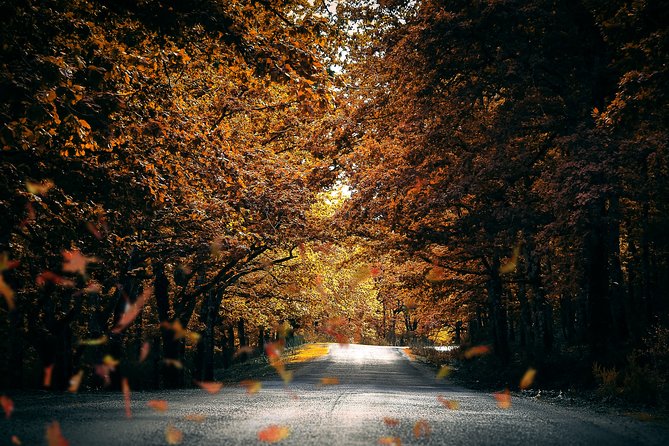
Start with sensible expectations. This is a full day, not a quick half-day transfer, and the two sites are valuable for different reasons. Give Bulla Regia your close attention, then use Beni M Tir as a change of visual and cultural rhythm.
Wear shoes suited to walking around historic remains. Carry what you need for the day, since lunch is not included and the provided details do not specify meal stops. An air-conditioned vehicle helps with the road journey, but conditions at the ruins can still be sunny or exposed.
Choose your commentary language at booking or before departure. English, French, and German are available. A language you understand well will make the political history of Bulla Regia, especially the shifts among Carthaginian, Numidian, Roman, and Byzantine control, much easier to follow.
Finally, ask about the day’s timing if you have a fixed evening plan in Tunis. The listed duration is approximately seven to eight hours, so allow room around that estimate. The private format may make the day more comfortable, but it does not shorten the distance.
Should you book Bulla Regia and Beni M Tir?
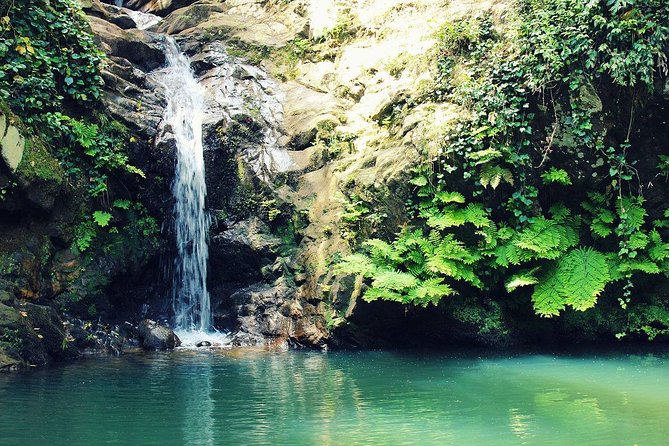
Book this tour if you want a private, well-supported day that combines one of Tunisia’s most unusual Roman sites with a northern village and dam. The included admission, air-conditioned vehicle, Wi-Fi, and multilingual commentary remove much of the friction from visiting places outside Tunis.
I would hesitate only if price is your main concern, if you dislike long road outings, or if you expect lunch and organized dam activities to be included. For a small group that values comfort and clear historical explanation, the $141.36 cost can be reasonable. For a solo budget visitor, it is a more serious splurge.
The strongest reason to go is Bulla Regia’s underground Roman homes and mosaics. Beni M Tir then adds a modern Tunisian story, tied to a 1948 dam project and Kroumirie Berber-region architecture. That mix gives you more than a standard ruins excursion.
FAQ
How much does the Bulla Regia and Beni M Tir day trip cost?
The listed price is $141.36 per person. Group discounts are offered, but the discount amount is not specified.
How long does the experience last?
The day trip lasts approximately seven to eight hours.
Is pickup from Tunis available?
Yes. Pickup is offered, and the tour includes private door-to-door transportation.
Is this a private tour?
Yes. Only your group participates in the activity.
Which languages are available for the guide commentary?
Commentary is available in English, French, or German.
Is admission to Bulla Regia included?
Yes. Admission to the Bulla Regia archaeological site is included in the price.
Is lunch included?
No. Lunch is not included.
Can I cancel for a full refund?
Yes, if you cancel at least 24 hours before the experience start time. Cancellations made less than 24 hours before departure are not refunded.
What happens if poor weather cancels the tour?
Because the experience requires good weather, you will be offered a different date or a full refund if it is canceled for that reason.
Just added around Tunis
- Dougga Guided Day Tour from Tunis★ 5.0 · 5 reviews
- Private Arrival Transfer: Tunis Airport to Tunis Hotel★ 4.5 · 5 reviews
- Tunisia 7-Day tour★ 5.0 · 6 reviews
- Roman Archeology Guided Tour Thuburbo Majus & Uthina★ 4.5 · 7 reviews
- Bardo Museum- The ruins of Carthage- Village of Sidi Bou Said★ 5.0 · 4 reviews
- The Medina★ 4.0 · 7 reviews
- Tunis Carthage Private Arrival Airport Transfer to Tunis★ 5.0 · 4 reviews
- Tunis Group Tour: Carthage, Sidi Bou Said, Bardo museum & Medina★ 5.0 · 5 reviews
Dougga and Bulla Regia Tours, compared.
Private Excursion to Testour, Dougga and Bulla Regia from Tunis.
Read our review →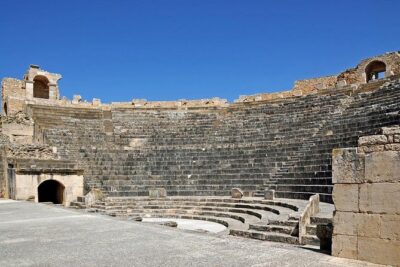
Full Day Dougga & Bulla Regia Via Testour Private tour with Lunch
Read our review →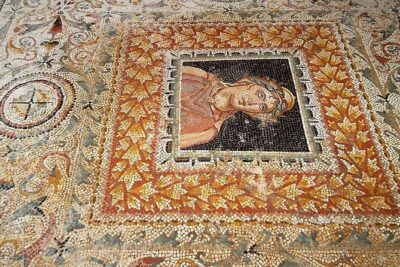
Private Day Trip to Testour, Dougga and Bulla Regia from Hammamet
Read our review →
Private Guided Tour of Dougga and Testour Mosque
Read our review →
DAY TRIP TO Dougga & Bulla Regia , DEPARTURE FROM Tunis
Read our review →Browse the lists this tour appears in