
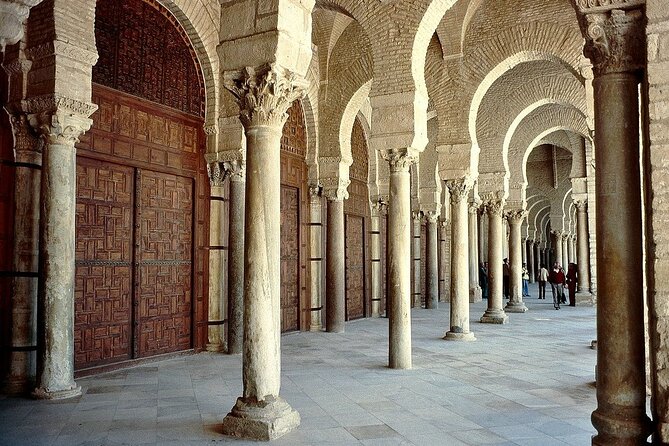
Reviewed · EL JEM AMPHITHEATRE TOURS
Private Tour to Kairouan, El Jem & Monastir from Tunis_hammamet
The finest moment here may be El Jem’s Roman amphitheater, where you can walk through the arena, climb into the seating, and explore the underground passages. It is a powerful stop, and it gives this long day a clear high point.
I like the mix of religious, Roman, and coastal history. I also like having a private vehicle and guide, which lets you set the pace more easily than a fixed coach outing. The drawback is simple: eight to ten hours is a long day, with plenty of road time between the three cities.
Key points to know
- Three major sights in one day: Visit Kairouan, El Jem, and Monastir without arranging separate transport.
- A rare look inside Kairouan: The Great Mosque includes its vast courtyard, carved cedar doors, marble columns, and imposing minaret.
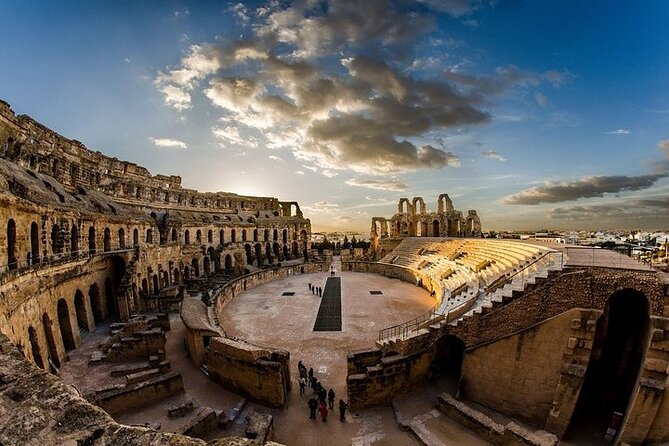
- El Jem is the visual highlight: The third-largest Roman amphitheater in the ancient world could hold about 30,000 spectators.
- Private touring keeps things flexible: Only your group participates, and the guide can respond to your interests and pace.
- Lunch is not included: Plan for an extra meal cost and ask your guide about the day’s lunch arrangements.
- Guides make a real difference: Names associated with this service include Yaya, Bilel, Bilal, Ahmed, Chaouki, and Balagh, though the guide assigned to you may differ.
Why this Tunisian day trip works
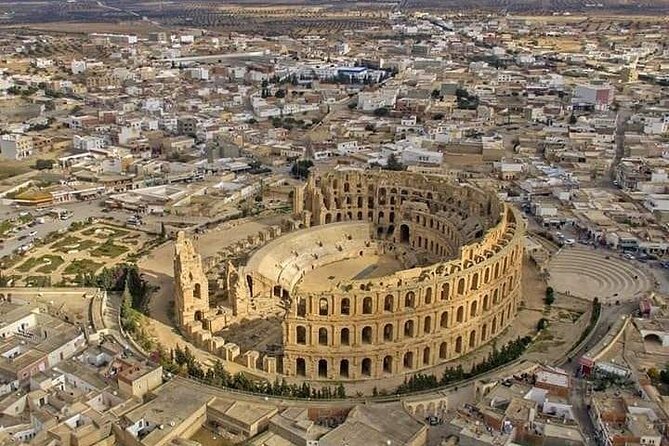
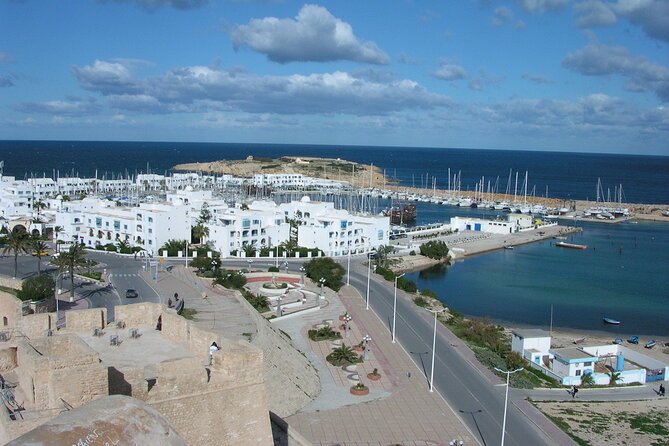
This tour links three very different parts of Tunisia. Kairouan is a major center of Islamic culture, El Jem brings you face to face with Roman engineering, and Monastir adds a fortified coastal setting with views over the city and sea.
That variety matters. You are not spending the whole day looking at similar ruins or visiting one more museum. Each stop has a different mood and purpose, so the hours in the vehicle feel justified.
The experience begins with pickup from your hotel in Tunis or Hammamet. The air-conditioned vehicle is a welcome feature, especially on a full-day route. You travel with only your own party, and a certified professional guide accompanies you. That combination is useful in Tunisia, where the distances between the sights make independent planning slower and less comfortable.
At $98.48 per person, the value depends on the size of your group. For one or two people, it is not a bargain-basement outing, but the price includes transport, guide service, and entrance fees at five locations. For three or four people, the private format becomes more attractive because you are sharing the cost while keeping the advantages of a dedicated vehicle.
More El Jem Amphitheatre Tours in Tunis
- Daytrip to Kairouan and El Jem Colosseum
★ 4.5 · 55 reviews - Kairouan and El Jem Private Day Tour
★ 4.5 · 38 reviews - Private Day Tour , Kairouan & Amphitheatre of el Jem From Tunis /Hammamet/Sousse
★ 4.5 · 8 reviews
Kairouan begins with the Great Mosque
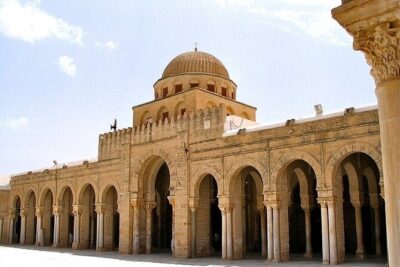
Kairouan is described as the fourth holy city of Islam and Tunisia’s spiritual capital. The Great Mosque is the central reason to come, and its early date gives the visit unusual weight. It was founded in 670, making it one of the oldest religious buildings in the Muslim West.
The exterior has the sturdy look of a fortress. Inside, the wide courtyard is framed by arcades and includes a sundial. The minaret gives the complex its strong vertical focus, while the prayer rooms contain rows of marble columns and high cedar doors with detailed carving.
You have about 40 minutes at the mosque. That is enough to see the major architectural features with a guide, though it is not a leisurely study visit. Listen closely to the explanation of the courtyard and columns, then leave a little time to look carefully on your own.
The mosque is not just an old building placed on a sightseeing route. Its design influenced later mosques across the Maghreb. That makes the stop especially useful if you plan to visit other historic religious buildings in Tunisia, Morocco, or Algeria.
Wear clothing suitable for a religious site and follow the instructions given at the entrance. The supplied details confirm admission is included, but they do not specify a dress code or access rules, so your guide is the best source for current arrangements.
A short walk through Kairouan’s medina
After the mosque, you have around 30 minutes in Kairouan’s medina. This is a compact visit, not an afternoon of shopping, but it gives you a chance to see the city as a lived-in place rather than only as a monument.
The souks are the obvious focus. You may also see carpet making and local crafts, and Kairouan is known for its makroud, a pastry made with semolina and dates. Trying one is a small but worthwhile break from architectural sightseeing.
The carpet stop needs a sensible approach. Shopping can be part of the local economy, but do not feel obliged to buy. One serious complaint connected with this experience involved a guide taking a customer to a carpet shop presented as an official government store. The customer later questioned the authenticity of the carpets.
That does not mean every carpet visit is a problem, but it is a good reason to ask clear questions. If you are interested in buying, request written details about the seller, the carpet’s materials, its origin, and the return policy. Compare prices, avoid pressure, and remember that admiring the craft costs nothing.
The Aghlabid basins and Kairouan’s water system
The Aghlabid basins receive about 20 minutes. They sit outside Kairouan’s medina and date from the second half of the ninth century. These huge waterworks helped supply the city and are considered among the major hydraulic projects of the medieval Muslim world.
This stop is less immediately dramatic than the mosque or amphitheater. You will not spend long here, and the appeal depends on your interest in engineering and urban history. Still, it adds an important layer to Kairouan.
Cities do not grow on faith and trade alone. They need water, storage, and planning. The basins show how rulers supported a major inland center in a dry region. Your guide can help turn what might look like a simple open space into a useful lesson in how Kairouan functioned.
Because the stop is brief, use it as a chance to reset before the next drive. The route covers a broad part of central Tunisia, and the next major site is El Jem.
More Kairouan Tours in Tunis
- Full-Day Kairouan and El Jem Tour from Tunis
★ 4.0 · 7 reviews - Daytrip 3 Unesco Sites El Jem Kairouan and Sousse Medina
★ 5.0 · 7 reviews - Kairouan & El Jem Small Group Tour from Tunis, Hammamet or Sousse
★ 5.0 · 6 reviews - El Jem, Monastir, and Kairouan Medina Private Tour
★ 5.0 · 5 reviews
Entering El Jem’s enormous Roman arena
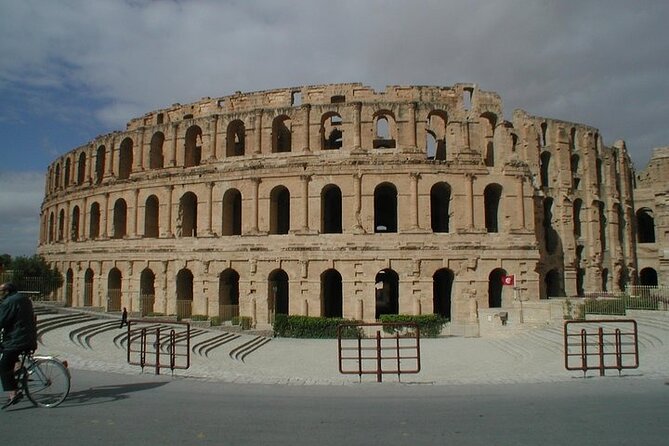
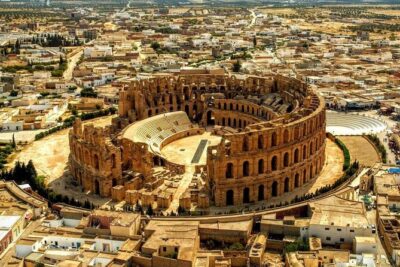
El Jem is the stop I would protect if time became tight. The ancient city was called Thysdrus and became one of the most prosperous cities in Roman Africa. Its amphitheater dates from the third century AD and could hold about 30,000 spectators.
The scale is startling. From the outside, the repeated arches give the building a clean, imposing shape. Inside, you can look across the arena and understand how the seating rose around the central floor. The underground areas are particularly effective because they show the working side of the spectacle, not just the public show above.
You have about 40 minutes, with entrance included. That is enough for a guided overview and a quick look through the main areas. If you enjoy Roman architecture, you may wish the schedule allowed longer. The amphitheater deserves time for photographs and quiet inspection.
El Jem is often compared with the Colosseum in Rome. The comparison is useful for scale, but the Tunisian site has its own character. It is less crowded in feel than Rome’s famous arena, and its broad form is easier to take in. The ancient monument also gives you a clear sense of Roman power outside Italy.
A guide such as Ahmed or Caulios can add value here by explaining the arena, the underground spaces, and the city’s place in Roman Africa. Names are not guaranteed, but the quality of the explanation matters more than the particular guide. Ask questions about how the building worked, not only when it was built.
Monastir’s Ribat and the coastal finish
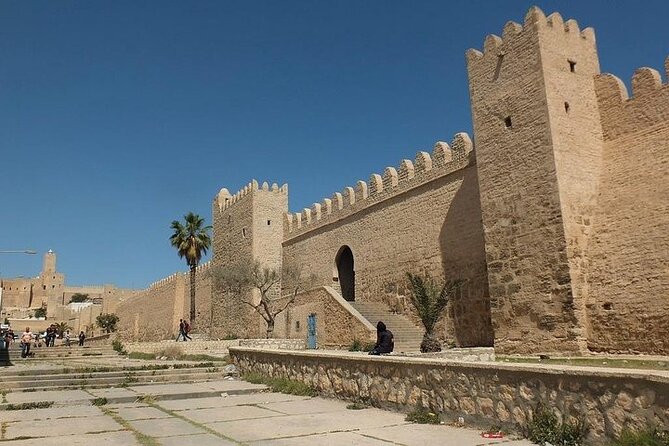
The final major stop is Monastir, an old Punic and Roman city known in this tour for the Ribat. Founded in 796, the fortress was one of the earliest and most important defensive buildings created along the Maghreb coast after the Arab conquest.
The Ribat is built around interior courtyards and includes small cells once used by warrior monks who combined military duties with prayer. It also contains prayer rooms and a collection of religious and medieval craft items.
The most memorable feature may be the watchtower. Around a hundred spiral steps lead upward, and from the top you get views over Monastir and the sea. The climb is not suitable for everyone, especially after a full day, but it gives the visit a satisfying finish if you are comfortable with stairs.
Allow about 40 minutes. That is enough to explore the main spaces and make the tower climb if conditions and access permit. If you prefer not to climb, the lower courtyards and rooms still make the Ribat worthwhile.
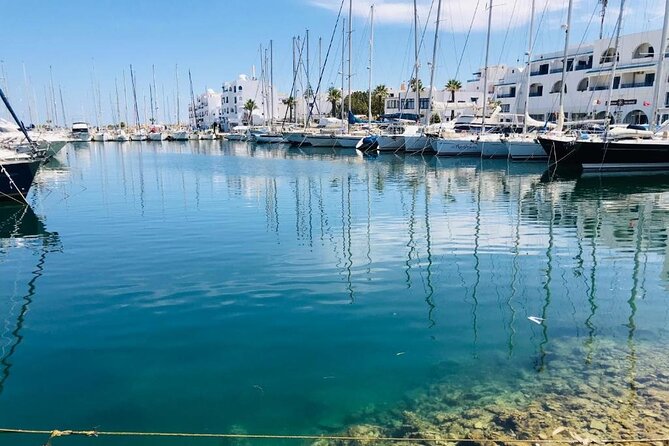
The fortress also helps you connect Tunisia’s inland and coastal stories. Kairouan shows religious and civic power away from the coast. El Jem shows Roman wealth and entertainment. Monastir shows defense, faith, and communication along the sea.
A long route made easier by private transport
The cities form a broad route rather than a tight cluster. You should expect several hours in the vehicle, even though the listed visits themselves add up to less than three hours. That is the main practical issue to understand before booking.
The air-conditioned car helps, as does having a careful driver. Guest feedback specifically praised drivers for being thoughtful and safe, while one unpleasant experience involved a flat tire and concern about tire condition. The operator responded that vehicles are checked and maintained, but the incident remains a useful reminder: look over the vehicle before departure and speak up if something seems unsafe.
A private tour also gives you more control during the day. You can ask for a little more time at El Jem, keep the medina visit short, or request a lunch stop that suits your group. The schedule still has limits, especially with three cities to cover, but it is less rigid than a large group departure.
The service has been led by guides named Yaya, Kimos, Bilel, Bilal, Belir, Balagh, Ahmed, and Chaouki. Past feedback places particular value on guides who explain history clearly, speak several languages, help with photographs, and adjust the day to the group. Chaouki, for example, was praised for asking what the group wanted to see and suggesting a good lunch location. Bilal was noted for keeping guests comfortable and providing wider information about Tunisia.
Since guide assignments can change, treat those names as examples rather than a promise. The important question is whether your assigned guide communicates well in your preferred language and is willing to adapt the pace.
Food, timing, and what to bring
Lunch is not included in the $98.48 price. The supplied details do not name a restaurant or set meal, so keep room in your budget and ask the guide early in the day how lunch will work.
Breakfast before pickup is sensible because the route is long. Carry water, sun protection, and comfortable shoes. You will be walking through courtyards, old streets, ruins, and fortress passages, and the Ribat includes a steep spiral staircase if you choose to climb the tower.
A phone with a charged battery is useful for the mobile ticket and photographs. Bring a little patience, too. A full day combining distant sites will never feel as relaxed as a single-city tour.
The experience requires good weather. If poor conditions cancel the outing, you are offered another date or a full refund. Otherwise, you can cancel for a full refund up to 24 hours before the start time. Changes or cancellations made less than 24 hours before departure are not accepted.
Who should book this private Tunisia tour?
I would recommend it to you if you have limited time and want to cover central Tunisia without managing several transport connections. It suits people who care about architecture, archaeology, Islamic history, and Roman sites, and it works particularly well for small groups sharing the private cost.
It is also a good choice if you want a guide who can explain details as you go. The best accounts of this service involve guides who were friendly, clear, flexible, and attentive to comfort. Those qualities matter during the long drives.
I would hesitate if you dislike full-day excursions or prefer slow visits with plenty of unscheduled time. Forty minutes at each major monument is efficient, not leisurely. You should also be cautious about shopping stops and never buy a carpet under pressure.
Should you book it?
Book this tour if El Jem, Kairouan, and Monastir are all on your wish list and you want one organized day from Tunis or Hammamet. El Jem alone gives the trip a strong reason to go, while the Great Mosque provides the most important religious and architectural experience.
The value is strongest for two or more people who want private transport, a guide, and included admission without arranging the route themselves. Accept the long driving day, keep lunch and shopping decisions under your control, and confirm the pickup details before departure. With those expectations, this is an efficient and rewarding way to see three very different sides of Tunisia.
FAQ
How long does the tour last?
The experience lasts approximately eight to ten hours, depending on the route, pickup location, traffic, and time spent at each stop.
Where does the tour depart from?
Pickup is offered from hotels in Tunis or Hammamet, according to the tour details.
Is this a private tour?
Yes. Only your group participates in the private activity.
What transportation is provided?
An air-conditioned vehicle is provided, along with a certified professional tourist guide.
Is lunch included?
No. Lunch is not included in the price.
Which entrance fees are included?
Admission is included for the Great Mosque of Kairouan, the Medina of Kairouan, the Amphitheater of El Jem, the Ribat of Monastir, and the Aghlabid basins.
Can most people take part?
Most people can participate. Service animals are allowed, and the experience is near public transportation.
What happens if the weather is poor?
The experience requires good weather. If it is canceled because of poor weather, you are offered a different date or a full refund.
More Monastir Tours in Tunis
- El Jem and Monastir Full-Day Tour with Lunch from Tunis or Hammamet
★ 4.5 · 7 reviews - Fun VIP Tour: El Jem, Kairouan, Monastir/Sousse (PICKUP ALL City)
★ 5.0 · 451 reviews - Fun VIP Tour: Sousse &/OR Monastir (Walking Tour or Car Option)
★ 5.0 · 69 reviews - Private and Guided Tour to Kairouan and El Jem and Monastir
★ 4.5 · 22 reviews
Just added around Tunis
- Dougga Guided Day Tour from Tunis★ 5.0 · 5 reviews
- Private Arrival Transfer: Tunis Airport to Tunis Hotel★ 4.5 · 5 reviews
- Tunisia 7-Day tour★ 5.0 · 6 reviews
- Roman Archeology Guided Tour Thuburbo Majus & Uthina★ 4.5 · 7 reviews
- Bardo Museum- The ruins of Carthage- Village of Sidi Bou Said★ 5.0 · 4 reviews
- The Medina★ 4.0 · 7 reviews
- Tunis Carthage Private Arrival Airport Transfer to Tunis★ 5.0 · 4 reviews
- Tunis Group Tour: Carthage, Sidi Bou Said, Bardo museum & Medina★ 5.0 · 5 reviews
El Jem Amphitheatre Tours, compared.
Fun VIP Tour: El Jem, Kairouan, Monastir/Sousse (PICKUP ALL City)
Read our review →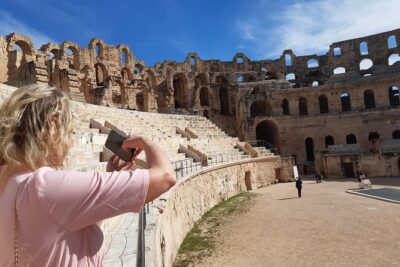
Half-day excursion from Sousse to the amphitheater of El Jem
Read our review →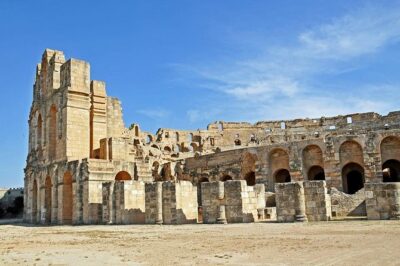
Private and Guided Tour to Kairouan and El Jem and Monastir
Read our review →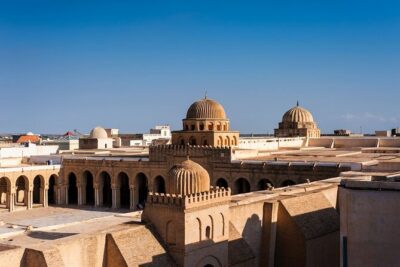
Kairouan & El Djem Guided Day Trip with Lunch from Hammamet
Read our review →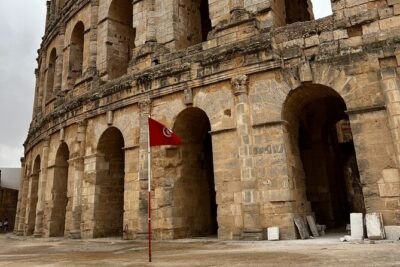
Private Half Day Tour to Roman Coliseum EL JEM from Monastir
Read our review →Browse the lists this tour appears in