Reviewed · EL JEM AMPHITHEATRE TOURS
Kairouan & El Jem Small Group Tour from Tunis, Hammamet or Sousse
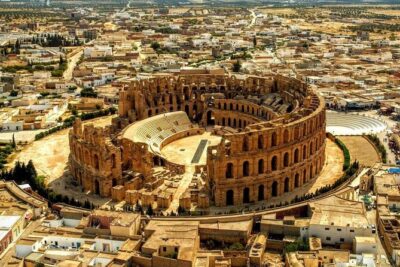
El Jem’s Roman amphitheater is the star of this day. Its huge stone walls rise from the Tunisian plain with surprising force, and you can walk through the arena, passageways, and upper levels to picture the crowds and gladiatorial shows of Roman Africa. The tour pairs it with Kairouan, Tunisia’s major Islamic center, giving you two very different chapters of the country’s past in one long day.
I like the private air-conditioned transport and the fact that hotel pickup and drop-off are offered from Tunis, Hammamet, or Sousse. I also like the mix of major sights: the Great Mosque, Kairouan’s old city, the Mosque of the Barber, El Jem’s amphitheater, and its archaeological museum. The main caution is the distance and pace. You are covering a lot in about eight hours, and lunch details are unclear, so confirm whether it is included before booking.
Key points to know before booking
- El Jem gives you two strong sights in one stop: the Roman amphitheater and the archaeological museum.
- Kairouan adds a different side of Tunisia: expect Islamic architecture, sacred places, old streets, and traditional crafts.
- Pickup is available from three major bases: Tunis, Hammamet, and Sousse.
- The vehicle is private and air-conditioned: useful for a full day on Tunisia’s roads.
- The group can reach 15 people: ask ahead if you want a fully private experience rather than private transport with a small group.
- Guides named in feedback include Hisham and Boutheina: the assigned guide may differ on your date.
Why this pairing works so well
Kairouan and El Jem are not interchangeable stops. Kairouan speaks to Tunisia’s Islamic identity, while El Jem recalls the Roman period, when the town of Thysdrus was a prosperous center known for olive oil and public spectacles. Put together, they show how many different cultures have shaped central Tunisia.
I like this contrast because the day does not become a string of similar ruins. You begin with mosques, courtyards, and the lanes of an old medina. Later, you enter a massive Roman arena with a very different sense of scale. The change keeps the tour interesting, even though the driving makes it a demanding outing.
The tour lasts about eight hours. That is enough time for the listed stops, but not enough for a slow, unhurried exploration of every corner. You should expect a structured sightseeing day rather than a relaxed village visit. If you have only one free day outside the coast or capital, this is a practical way to reach two important inland sites.
More El Jem Amphitheatre Tours in Hammamet
- Private Day Tour , Kairouan & Amphitheatre of el Jem From Tunis /Hammamet/Sousse
★ 4.5 · 8 reviews - El Jem and Monastir Full-Day Tour with Lunch from Tunis or Hammamet
★ 4.5 · 7 reviews - Private and Guided Tour to Kairouan and El Jem and Monastir
★ 4.5 · 22 reviews
Leaving the coast or capital behind
Pickup is offered from hotels in Tunis, Hammamet, or Sousse, and the drive is handled in an air-conditioned private vehicle approved for tourism and insured for tourists. That matters in Tunisia, where arranging separate taxis, intercity transport, and local guides can take time and may require negotiation.
The private vehicle is especially useful if you are staying in Hammamet or Sousse and want to avoid piecing together public transport. You also return to your hotel, which removes the need to find a station or arrange a late ride after a full day.
The tradeoff is that the road time takes up part of your day. The tour description does not give exact departure times, driving durations, or a detailed meal schedule, so ask for those details before paying. Pickup arrangements can also vary by hotel location. Hotels outside Tunis, Hammamet, or Sousse are not included.
The group limit is 15 people. That is small enough to be more manageable than a large coach, but the word private needs a little care here. The transport is described as private, while the maximum group size allows up to 15 participants and the booking information says at least two people are normally required. One solo booking was accepted in practice, but you should not assume that will always happen. Ask the operator if you are traveling alone or want exclusive use of the vehicle.
The Great Mosque of Kairouan
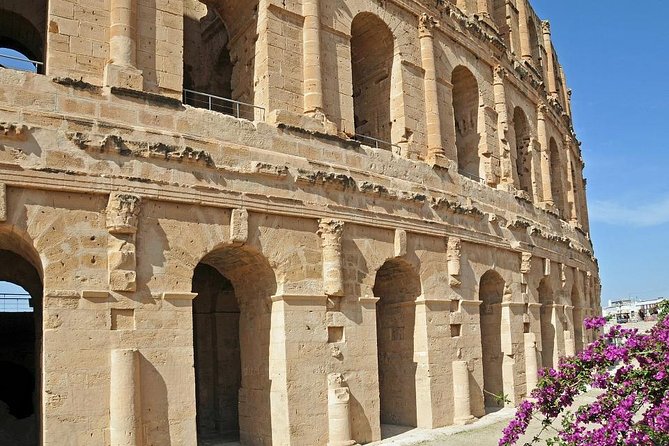
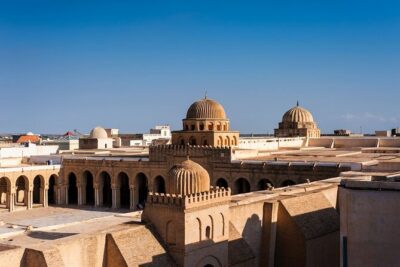
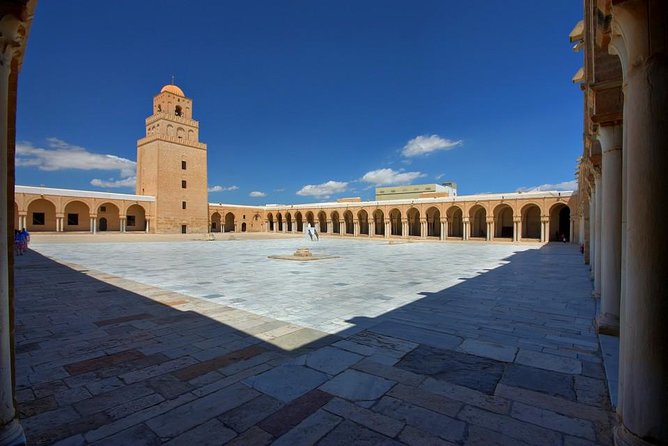
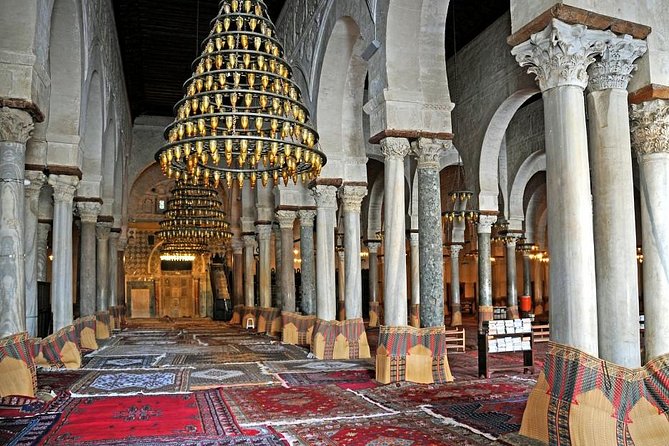
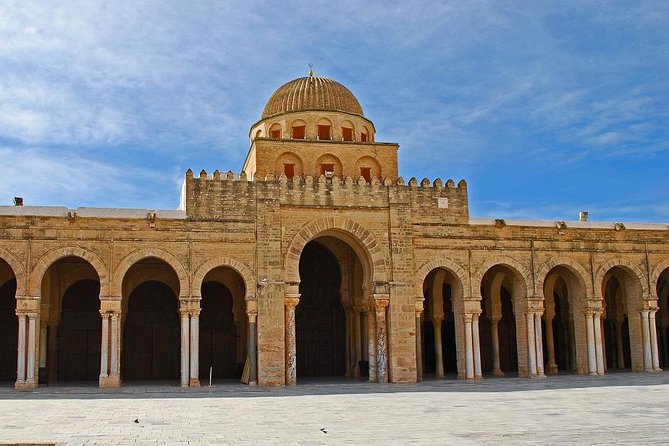
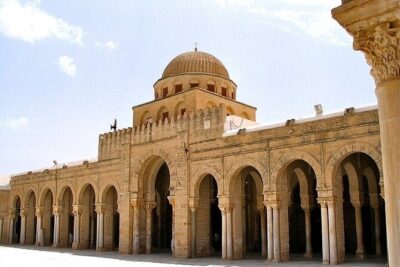
The first major stop is the Great Mosque of Kairouan, also called the Mosque of Uqba. It dates to the seventh century and is one of the most important Islamic sites in Tunisia. Its design includes Islamic, Byzantine, and Roman elements, a reminder that buildings often reuse ideas and materials from earlier civilizations.
You will have about an hour here. The square minaret, often called the Tower of Uqba, is the building’s most recognizable feature. Inside, the broad courtyards and sturdy arcades give the mosque a calm, monumental feel. The layout is less about ornate decoration at every turn and more about proportion, stonework, columns, and the sense of a place built for worship and study over many centuries.
A guide adds real value at this stop. Without context, you might see a large historic mosque and move on. With an explanation of its role in Kairouan, you can better understand why the city remains a major religious center and why the mosque is protected as part of a UNESCO World Heritage site.
The admission is listed as free, though access rules at religious sites can change. Dress respectfully, and follow instructions about where visitors may walk. Since this remains an active place of worship, the experience is more about observing carefully than treating the building like an ordinary museum.
Walking Kairouan’s old city
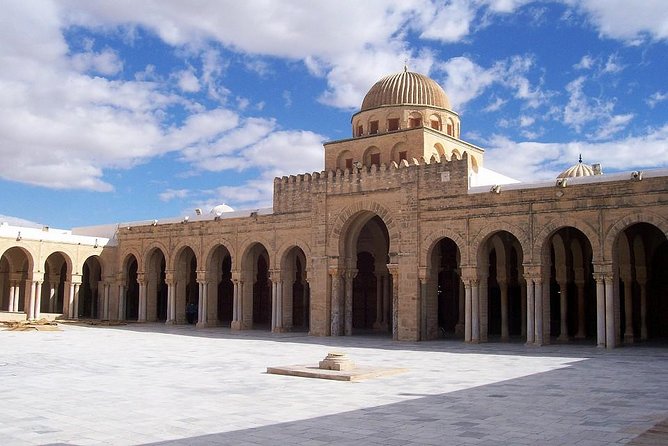
Next comes the Medina of Kairouan, with about an hour to explore. This is where the day becomes more street-level and human. The lanes lead past old mosques, schools, caravanserais, shops, and workshops, with architectural details that are easy to miss if you rush.
I like this part because it connects the grand mosque to daily life. You can look at doorways, whitewashed walls, small courtyards, and the shapes of traditional buildings. The souks bring color and fragrance, but the medina is not only a shopping area. It is also a historic town where people live and work.
An hour is enough for an introduction, not a full study of the medina. You may have time to browse artisan goods and spices, but the exact route depends on the guide and the pace of the group. If you want to shop, say so early. If you care more about architecture and history, ask the guide to point out caravanserais, religious buildings, and older structural details.
The medina’s narrow lanes can be uneven, and the tour includes several walking stops. Most people can participate, but comfortable shoes are a sensible choice. The activity information says it is near public transportation, though that matters less here because your included transport handles the main journey.
More El Jem Amphitheatre Tours in Tunis
- Private Tour to Kairouan, El Jem & Monastir from Tunis_hammamet
★ 5.0 · 301 reviews - Daytrip to Kairouan and El Jem Colosseum
★ 4.5 · 55 reviews - Kairouan and El Jem Private Day Tour
★ 4.5 · 38 reviews - Full-Day Kairouan and El Jem Tour from Tunis
★ 4.0 · 7 reviews
The Mosque of the Barber
The Mosque of Sidi Sahbi, commonly called the Mosque of the Barber, takes about 30 minutes. It is associated with Sidi Sahbi, described as a companion of the Prophet Muhammad, and contains his revered tomb.
This stop is shorter and more contained than the Great Mosque. Expect courtyards, decorated halls, and a quiet religious atmosphere. The site is valued not only for its architecture but also for its spiritual importance, so your guide’s explanation can help you understand why it draws respect.
Thirty minutes will not allow for a long visit, but it fits the day well. After the open spaces of the Great Mosque and the lanes of the medina, this offers a more focused look at Kairouan’s sacred traditions. As at the Great Mosque, modest clothing and respectful behavior are important.
The listed entrance cost is free. Still, site access can depend on local rules and religious observance, so keep your plans flexible.
Entering El Jem’s Roman amphitheater
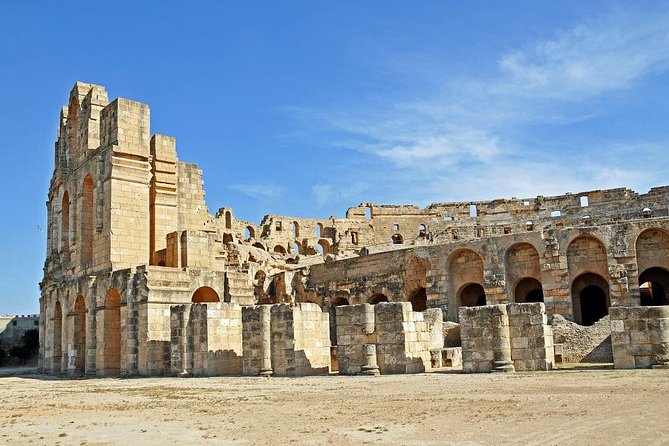
El Jem is the most dramatic stop. The Amphitheater of El Jem is a UNESCO World Heritage site and one of the best-preserved Roman arenas in North Africa. The tour allows about two hours here, which is generous enough to do more than take a photo from the outside.
You can walk into the arena and see the high outer walls from below. Passageways and internal areas help explain how people, animals, performers, and workers moved through the building. From the upper levels, the view across the arena reveals the engineering more clearly. The sheer size makes it easier to imagine the noise of a Roman crowd and the public spectacles once held here.
The guide is useful for turning stone into a story. You can hear about gladiators, the function of the arena, and El Jem’s place in Roman Tunisia. Ask questions about construction and crowd movement if those subjects interest you. The amphitheater is impressive on its own, but a good explanation helps you notice how it worked.
Two hours may sound long, but this is the stop where you will want time to explore. The stone can be exposed to strong sun, and there may be little shade inside the monument. Bring water, sun protection, and shoes suited to steps and uneven surfaces. The tour includes admission to the amphitheater.
The El Jem Archaeological Museum
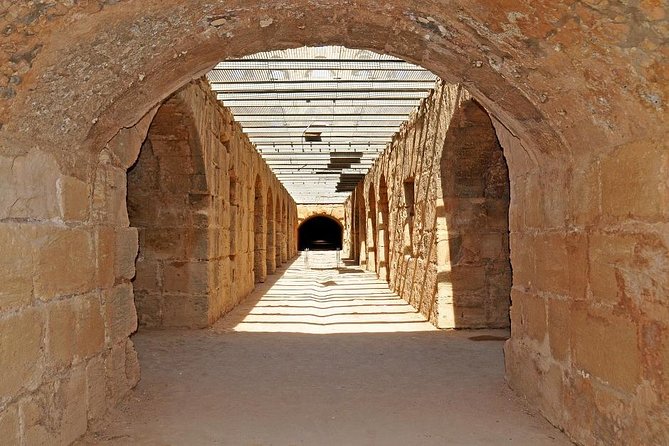
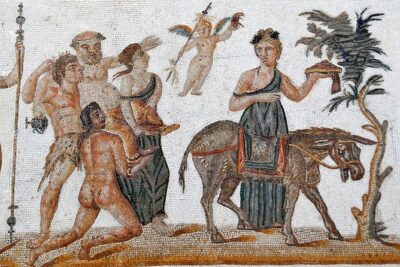
The archaeological museum gives the Roman stop more depth. The tour lists about an hour here and includes admission. Its displays cover Tunisia’s past through artifacts such as mosaics, pottery, Roman objects, and Islamic art.
The museum is important because the amphitheater shows the public face of Roman El Jem, while the museum reveals the homes, decoration, religion, and everyday life behind that spectacle. Mosaics can be hard to appreciate when you only see them as colorful floors in a ruin. In a museum setting, you have more time to look at patterns and details.
There is a small problem in the published stop order: the final entry is labeled as another El Jem amphitheater stop but describes the museum again. Read that as one museum visit, not two separate museum visits. The sensible plan is about two hours at the amphitheater followed by about an hour at the museum, subject to the guide’s timing and local conditions.
If you prefer ruins to indoor collections, you may find the museum less gripping than the arena. I would still keep it on the schedule. It gives useful context and helps balance the day after the amphitheater’s bold scale.
Guide quality and the human side of the day
A guide matters on this tour because both destinations reward explanation. Kairouan’s religious sites have rules and meaning that are not always obvious, while El Jem’s stonework makes more sense when you understand how the Roman arena operated.
Guides named in the available feedback include Hisham and Boutheina. Hisham was associated with a safe, enjoyable outing, while Boutheina was praised for greeting a returning solo participant warmly and guiding a second day of sightseeing. That gives you a useful clue about the personal style the operator aims for, but guide assignment is not guaranteed.
The strongest praise centers on three things: safe transport, friendly guiding, and clear explanations at the sites. One participant also singled out the countryside views and the sense of seeing history brought into the present at El Jem. Those are good reasons to choose a guided outing over a self-directed day, particularly if you want more than a quick walk around the monuments.
The group size deserves attention. A maximum of 15 is reasonable for a day trip, but it can affect how long you spend at each stop and how easily you can hear the guide. If you want a quiet, highly flexible day, ask whether the booking will be exclusive. If your main goal is easy transport and organized sightseeing, a small group should work well.
Is $70 a fair price?
At $70 per person, the tour offers good value if you are staying in one of the three pickup areas and want both Kairouan and El Jem in one day. The price covers a licensed guide, air-conditioned transport, hotel pickup and drop-off, and entrance fees for the listed paid sites. Those costs can add up if you arrange a car, driver, and admissions separately.
The value is strongest for visitors who do not want to haggle with taxis or coordinate several connections. You are paying for convenience as much as for sightseeing. The vehicle also makes the day more comfortable than trying to manage a long inland route through separate transport bookings.
Lunch needs clarification. The tour summary presents lunch as part of the overall experience, and one account praises the meal, but the formal inclusions say lunch is not included. Treat lunch as extra unless the operator confirms otherwise. Vegetarian meals are available when requested at booking, and you should also provide any dietary requirements in advance.
The tour is booked an average of 16 days ahead, which suggests that planning early is sensible, especially during busy periods. Confirmation is provided at booking, and free cancellation is available if you cancel at least 24 hours before the start time. If the minimum number is not met and the operator cancels, you are offered another date or experience, or a full refund.
Who should book this day trip?
I would choose this tour if you are based in Tunis, Hammamet, or Sousse and want a guided introduction to two major inland sights without arranging the route yourself. It suits first-time visitors, history fans, and anyone who values hotel pickup and a vehicle with air conditioning.
It is also a good fit for solo visitors who can confirm acceptance before booking. The standard rule says a minimum of two people is required, but a solo booking was accepted in at least one case. That exception is useful, but it is not a promise.
You may want another plan if you dislike long road days, need a slow pace, or want extended shopping time in Kairouan. The schedule is full, and each stop has a set window. Families and older visitors should also consider how comfortable they are with walking through old lanes and climbing steps at El Jem.
Should you book Kairouan and El Jem?
Book it if you want maximum historical range in one day. The Great Mosque and Kairouan medina show Tunisia’s Islamic heritage, while El Jem delivers one of the country’s most powerful Roman monuments. Private transport, a licensed guide, admissions, and hotel pickup make the $70 price reasonable.
Before booking, confirm four points: your exact pickup location, whether the vehicle is exclusive or shared, the day’s departure time, and whether lunch costs extra. If those details fit your plans, this is a strong, practical outing with enough variety to justify the long day.
FAQ
Where does the tour depart from?
Pickup is offered from hotels in Tunis, Hammamet, or Sousse.
Is hotel pickup and drop-off included?
Yes. Pickup and drop-off from hotels in Tunis, Hammamet, and Sousse are included. Hotels in other cities are not covered.
How long does the experience last?
The tour lasts approximately eight hours.
What sites are visited in Kairouan?
The schedule includes the Great Mosque of Kairouan, the Medina of Kairouan, and the Mosque of Sidi Sahbi, also called the Mosque of the Barber.
What sites are visited in El Jem?
You visit the Amphitheater of El Jem and the Archaeological Museum of El Jem.
Are entrance fees included?
Entrance fees for Kairouan and El Jem are included. The Great Mosque, Medina, and Mosque of Sidi Sahbi are listed with free admission, while the El Jem amphitheater and museum include entrance tickets.
Is lunch included?
The supplied tour details conflict on this point. The overview refers to lunch as part of the experience, but the formal inclusions list lunch as not included. Confirm the meal arrangements before booking.
Can I request a vegetarian meal?
Yes. A vegetarian option is available, but you should request it when booking. Specific dietary requirements should also be provided in advance.
What is the cancellation policy?
You can cancel for a full refund up to 24 hours before the experience start time. Changes or cancellations made less than 24 hours before the start time are not accepted for a refund.
More Kairouan Tours in Tunis
- Daytrip 3 Unesco Sites El Jem Kairouan and Sousse Medina
★ 5.0 · 7 reviews - El Jem, Monastir, and Kairouan Medina Private Tour
★ 5.0 · 5 reviews - Private Tour to Kairouan, El Jem and Sousse
★ 5.0 · 4 reviews
More Kairouan Tours in Hammamet
- Kairouan & El Djem Guided Day Trip with Lunch from Hammamet
★ 4.0 · 18 reviews - Kairouan, El Djem and Monastir Guided Excursion from Hammamet
★ 5.0 · 5 reviews - Kairouan, El Djem, Monastir Self-Guided Excursion from Hammamet
★ 4.5 · 5 reviews
Just added around Tunis
- Dougga Guided Day Tour from Tunis★ 5.0 · 5 reviews
- Private Arrival Transfer: Tunis Airport to Tunis Hotel★ 4.5 · 5 reviews
- Tunisia 7-Day tour★ 5.0 · 6 reviews
- Roman Archeology Guided Tour Thuburbo Majus & Uthina★ 4.5 · 7 reviews
- Bardo Museum- The ruins of Carthage- Village of Sidi Bou Said★ 5.0 · 4 reviews
- The Medina★ 4.0 · 7 reviews
- Tunis Carthage Private Arrival Airport Transfer to Tunis★ 5.0 · 4 reviews
- Tunis Group Tour: Carthage, Sidi Bou Said, Bardo museum & Medina★ 5.0 · 5 reviews
El Jem Amphitheatre Tours, compared.
Fun VIP Tour: El Jem, Kairouan, Monastir/Sousse (PICKUP ALL City)
Read our review →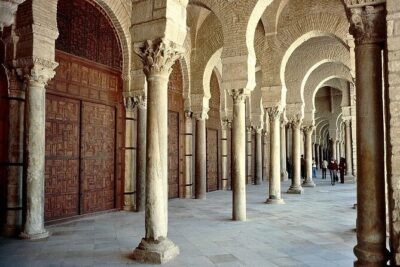
Private Tour to Kairouan, El Jem & Monastir from Tunis_hammamet
Read our review →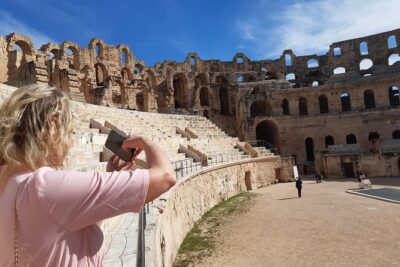
Half-day excursion from Sousse to the amphitheater of El Jem
Read our review →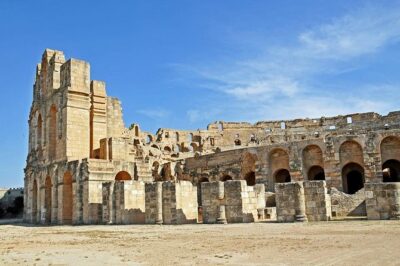
Private and Guided Tour to Kairouan and El Jem and Monastir
Read our review →