
Reviewed · TUNIS TOURS
Out of time Berber villages Tekrouna and Zriba Alia
The heart of this trip is not a grand monument. It is the chance to walk through old Berber hill villages where stone homes, narrow paths, and sweeping views tell a quieter story of Tunisia. From Hammamet, you ride into the countryside with a private guide rather than trying to connect these remote places on your own.
I like the private format, which gives you room to ask questions and set a comfortable pace. I also like the mix of mountain villages and Hammamet Medina, so the day is not only about ruins and viewpoints. The main drawback is that the cultural explanation may depend heavily on your guide. One visitor found the background too light, while others praised guides such as Ghassen, Kamel, and Ameur for making the day personal and safe.
Key points to know before booking
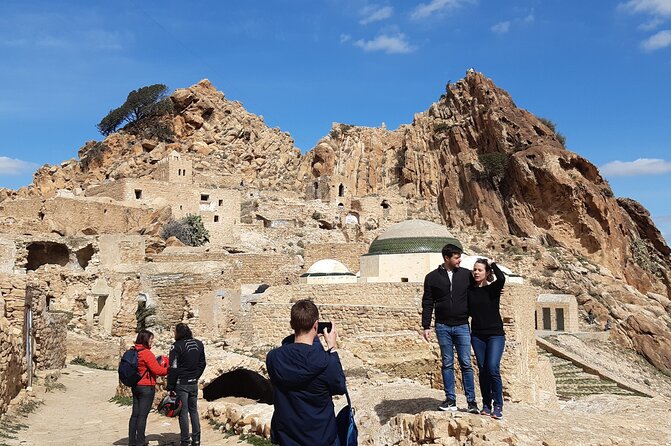
- Zriba El Alia sits between rocky peaks, with views toward Jebel Zaghouan and a strong sense of an abandoned mountain settlement.
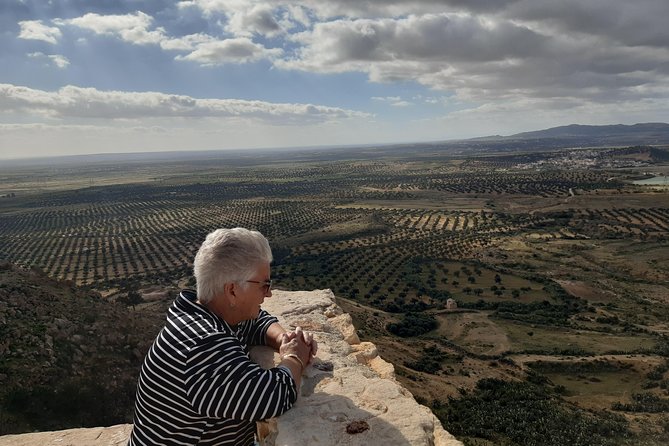
- Jeradou adds a high viewpoint, looking toward the Gulf of Hammamet, Hergla, Sousse, Jebel Zaghouan, and the Kairouan plain.
- Takrouna is a short photo stop, but its hilltop position gives you one of the day’s broadest views.
- Hammamet Medina rounds out the day, adding walls, gates, the kasbah, and a seaside old town to the rural stops.
- Private transportation matters here, since the tour links several separated places and includes pickup from Hammamet.
- Lunch is not included, so you should clarify the plan for the midday meal before setting out.
Why these Berber villages are worth your time
Tunisia is often sold through its beaches, resorts, Roman sites, and desert tours. This excursion takes a different route. You visit small Amazigh, or Berber, communities in the Sahel and nearby hills, where the setting matters as much as the buildings.
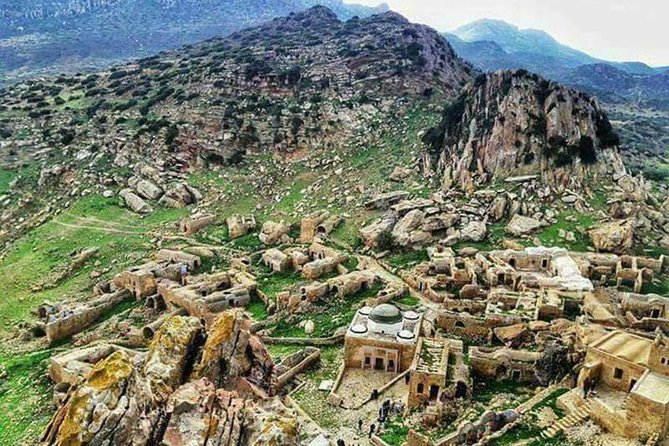
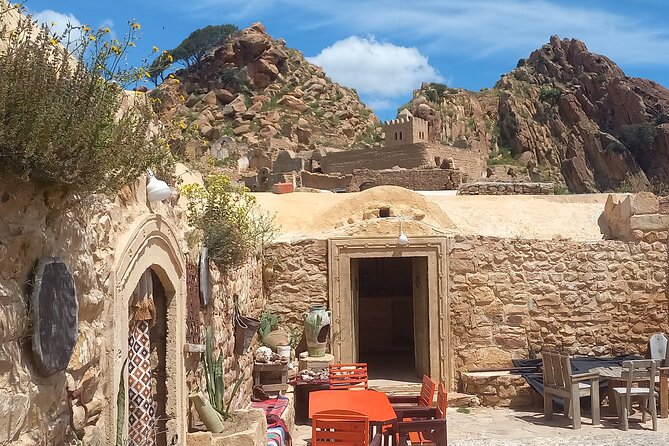
Zriba El Alia, also called Upper Zriba, is about three kilometers south of Hammam Zriba. It was built between two rocky peaks and now lies largely in ruins. That gives the stop a spare, atmospheric feel. You are not walking through a polished open-air museum. You are seeing an old settlement in a rough mountain setting, with the remains blending into the stone around it.
The villages also offer a useful counterpoint to Tunisia’s famous coastal towns. You see how location shaped daily life. High ground gave residents a commanding view, while the surrounding rock offered a natural defensive position. The setting helps explain why these communities were built where they were.
I would not book this tour expecting a large archaeological complex or a long guided lecture at every stop. The appeal is more direct: old villages, high ground, local stories, and views that are hard to reach without a car.
Other Tunis days worth booking alongside this:
- Private Tour to Kairouan, El Jem & Monastir from Tunis_hammamet
★ 5.0 · 301 reviews - Private tour: Medina,Carthage ,Sidi Bou Said, Bardo Museum+lunch
★ 5.0 · 230 reviews - Carthage, Bardo Museum, Sidi Bou Said and Medina Private Day Tour
★ 4.5 · 153 reviews
Zriba El Alia and the mausoleum stop
The first major stop is the area around the Mausoleum of Sidi Abdelkader, listed with its Arabic name, Zawiya Sidi Abdelkader. The visit lasts about two hours, and admission is free.
Zriba El Alia is the most substantial village visit on the route. Its Berber origin and ruined state make it a place for slow looking. You can study the remains, see how the village occupies the gap between the peaks, and take in the view toward Jebel Zaghouan.
The two-hour allocation is useful because this is not a quick roadside photo stop. You have time to walk, pause, and ask your guide about the village and its people. If you are interested in architecture, traditional settlement patterns, or the way mountain communities used difficult terrain, this is likely the most rewarding section.
There is a practical point to keep in mind. The village is old and in ruins, so the walk may feel uneven and exposed. The tour information says most people can participate, but you should still wear sensible shoes and be ready for a little uphill or rough-ground walking. The exact level of walking is not specified, so ask the operator if mobility is a concern.
The mausoleum gives the stop a religious and local dimension, but the supplied details do not promise an extended interior visit or a formal religious tour. Treat it as part of the village setting rather than the sole reason for coming.
Jeradou’s high plain and sea views
Jeradou is a smaller Berber village built on rock about 200 meters above sea level. The stop lasts around one hour and has no admission fee.
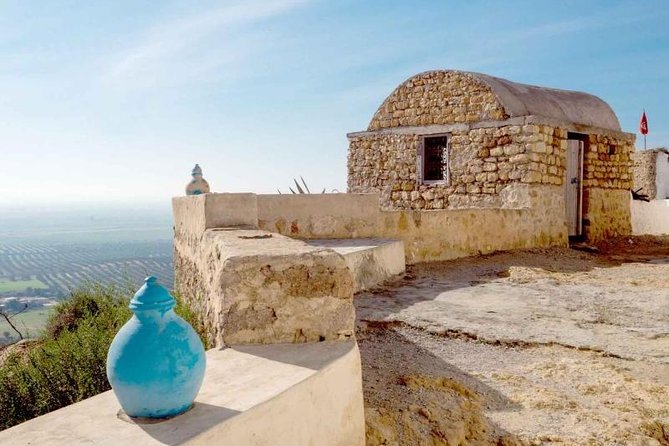
The reward here is the view. From this high point, you can look east toward the Gulf of Hammamet, Hergla, and Sousse. Jebel Zaghouan lies to the north, while the plain of Kairouan opens to the south. It is a good place to understand the geography of the region in one glance.
I like the way Jeradou changes the rhythm of the day. Zriba El Alia asks you to look closely at an old village. Jeradou gives you room to look outward. Bring your camera, but also take a moment to identify the different directions your guide points out. A guide can turn a broad view into a useful lesson about Tunisia’s coast, inland plains, and mountain country.
The description places Jeradou in the Sahel region, but the tour does not promise a long program inside the village or a specific cultural demonstration. You may find the stop more about setting than formal sightseeing. That is fine if you enjoy viewpoints. If you want a busy schedule of monuments and museums, this part may feel quiet.
Takrouna, a short stop with a big view
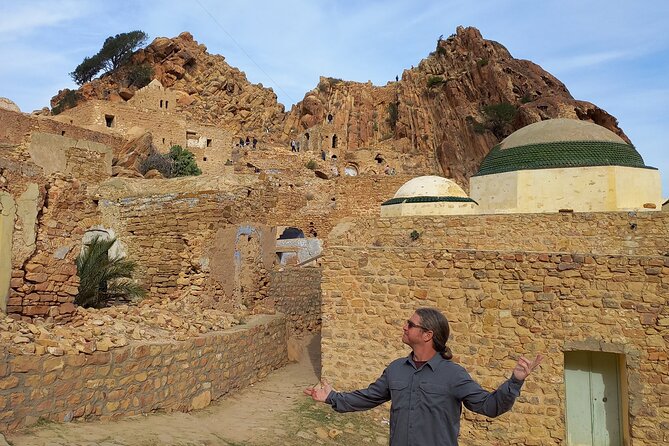
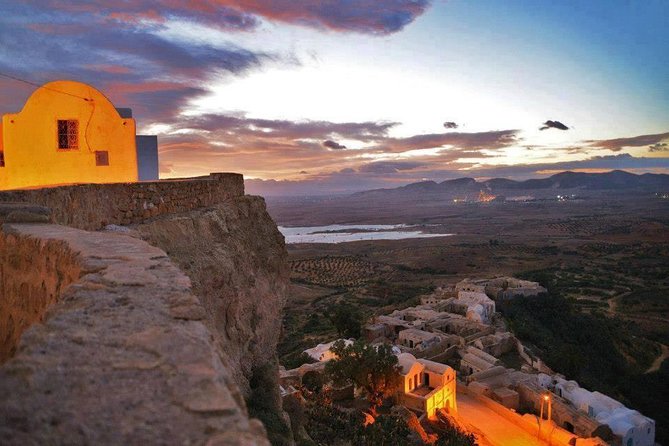
Takrouna is perched on a hill overlooking the Gulf of Hammamet. Its position once made it a control point for Hammamet Bay. The planned visit is about 15 minutes and is free.
That short timing tells you what to expect: a photo and panorama stop rather than a full village walk. The village’s hilltop position is the point. You will want a few minutes to take pictures and enjoy the view, but do not expect the same amount of exploration as at Zriba El Alia.
Takrouna works well near the end of a countryside route because it gives you one last high viewpoint before returning toward Hammamet. It is also a useful reminder that these villages were not placed randomly. Their height offered a clear view across the bay and surrounding country.
The stop may feel too brief if Takrouna is your main reason for booking. If you want more time there, ask before departure whether the schedule can be adjusted. The tour is private, which gives you more flexibility than a large group excursion, but the published timing remains 15 minutes.
Same coast, a completely different day out:
- Private Excursion to Testour, Dougga and Bulla Regia from Tunis.
★ 5.0 · 100 reviews - Guided Bike Tour of Carthage Archeological Site in Tunisia
★ 5.0 · 88 reviews - Guided tour in the UNESCO world heritage Medina of Tunis
★ 5.0 · 68 reviews - Group Guided Bike Tour of Carthage Archeological Site in Tunisia
★ 5.0 · 57 reviews
Hammamet Medina and the seaside old town
The final listed stop is Hammamet Medina, with about one hour set aside and admission included.
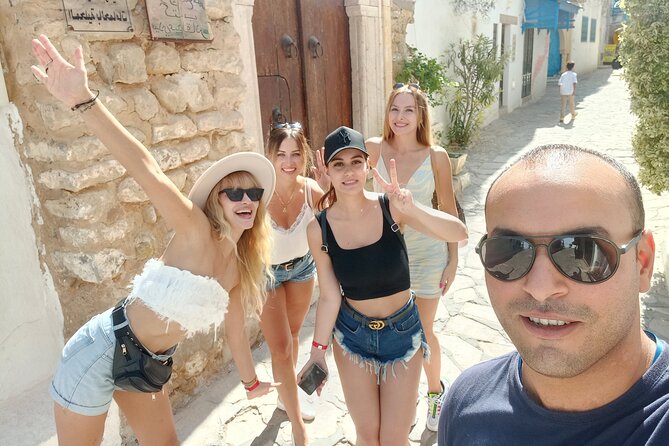
The medina occupies a small area at the southern tip of Hammamet beside the sea. Its walls have three entrances, and the old town includes a kasbah with high, thick walls. This is a compact historic center, not a vast quarter that takes half a day to cross.
After the rural villages, the medina offers a clear change of scene. You move from quiet hills and stone ruins to an urban center shaped by Arab-Muslim planning and its position beside the water. The walls and gates help you understand the old town’s layout, while the kasbah explains its defensive role.
A one-hour visit is enough for a focused walk and a first look at the old town. It may not be enough if you want extensive shopping, a long meal, or a detailed visit to every corner. Since lunch is not included in the tour price, ask your guide how the day’s meal break fits with the medina stop.
One wording point is worth clearing up when you book. The itinerary calls this the Medina of Yasmine Hammamet in one place, then describes the historic Medina of Hammamet. Those names can refer to different areas, so confirm exactly which medina you will visit.
What the private vehicle adds
Pickup is offered from Hammamet, and the tour uses an air-conditioned vehicle with private transportation. WiFi is also listed on board, along with all fees and taxes.
The driving is a major part of the value. These stops are spread across the countryside, and arranging them alone would take route planning, a rental car, and confidence on unfamiliar roads. Here, you can look out the window, rest between walks, and let the guide handle the route.
The private setup also means only your group participates. That is especially useful for solo visitors, couples, or families who want to stop for photos without waiting for a bus full of people. It gives you a better chance to ask about Berber culture, local customs, and the meaning of what you are seeing.
Several comments praise the driving and the sense of safety. Kamel and Ameur are named as an excellent guide and driver pair, while Ghassen receives especially strong praise for listening to a solo female visitor’s interests and helping her feel respected. These are useful signs, but the specific guide assigned to your booking may differ.
One concern is consistency. A private tour can be excellent when the guide offers context and responds to your questions. It can feel thin when the guide mainly drives and points out locations. If cultural background matters to you, tell the operator that clearly before the day begins and ask for a guide who is comfortable discussing Berber history and local life.
The guide can shape the whole day
This trip depends more on human conversation than on entrance tickets. All four listed stops are free except the included Hammamet Medina admission, so your guide is the main source of explanation.
The strongest accounts describe guides who were friendly, attentive, professional, and willing to show more than the basic route. One private outing included several Berber villages, the Water Palace, and Hammamet Medina, although the Water Palace is not part of the listed itinerary here. Do not assume that extra stop is included unless the operator confirms it.
There is also a welcome sense that the trip is not built around aggressive selling. That matters in Tunisia, where some visitors prefer a straightforward day without pressure to buy products or add expensive extras.
At the same time, one account found the day hot and felt the guide did not provide enough cultural and historical background. The operator replied that the vehicle was air-conditioned and that the guide had checked on the passenger’s comfort. The useful lesson is simple: bring water, speak up if you are uncomfortable, and ask questions early rather than waiting for the guide to guess what you want.
Price, timing, and who gets good value
The price is $139.95 per person. The tour lasts roughly six to eight hours, and it is commonly booked about 35 days ahead.
That is not the cheapest way to see a few viewpoints, but it can be fair value if you are traveling without a car and want a private day with hotel pickup. You are paying for transport, route planning, a private guide, an air-conditioned vehicle, onboard WiFi, and a full day connecting places that are not presented as one easy public transport route.
The value is stronger for two or more people sharing the private experience, especially if a group discount applies. For a solo visitor, the price is harder to justify unless personal attention, safety, and convenience are high priorities.
The six to eight hour range is broad. It likely reflects pickup location, road conditions, time spent at the villages, and the private nature of the schedule. Confirm your pickup time and expected return time. One outing began with an 8:30 pickup from a Hammamet hotel, but that should not be treated as a guaranteed departure for every booking.
Lunch is not included. Budget separately for food and ask whether you will stop at a restaurant, eat near Hammamet, or bring something with you. The supplied information does not specify a lunch venue.
How to prepare for the hills
Wear shoes that are comfortable on rocky or uneven ground. The villages are built on hills and rocky high points, and the tour includes walking at Zriba El Alia, Jeradou, and possibly around Takrouna.
Bring sun protection and water. One person found the day hot, even though the vehicle was air-conditioned. A light layer may also help at the higher villages, where the French-language feedback notes more wind than in lower areas.
Keep your camera ready, but do not let photography turn every stop into a race. The appeal of these places is their scale, silence, and relation to the hills. The wide views toward the bay, coast, Jebel Zaghouan, and Kairouan plain are best appreciated when you give your eyes a few minutes to adjust.
Service animals are allowed, the tour is near public transportation, and most people can participate. Still, the provided information does not give detailed accessibility measurements, vehicle specifications, or a full description of the walking surfaces. Ask direct questions if you need step-free access or have limited mobility.
Should you book this Berber village tour?
I would book it if you want a private countryside day from Hammamet and prefer local villages and viewpoints to a packed list of major attractions. It suits first-time visitors who want an introduction to Tunisia beyond the resort zone, as well as solo visitors who value a private guide and comfortable transport.
I would be more cautious if you want a long archaeological tour, a guaranteed expert lecture, or a substantial visit inside every village. Takrouna is only a 15-minute stop, lunch costs extra, and the quality of cultural explanation may vary by guide.
Before paying, confirm the exact guide, the medina location, the lunch plan, and the expected walking involved. If those details suit you, this is a practical and memorable way to reach Tunisia’s hill villages without spending the day behind the wheel. Free cancellation is available when you cancel at least 24 hours before the start time.
FAQ
How long does the tour last?
The tour lasts approximately six to eight hours.
Where does the tour depart from?
Pickup is offered from Hammamet. One documented departure began at 8:30 from a Hammamet hotel, but you should confirm your own pickup time.
Is this a private tour?
Yes. Only your group participates in the activity.
What transportation is provided?
The tour includes private transportation in an air-conditioned vehicle. WiFi is also listed as available on board.
Is lunch included?
No. Lunch is not included in the tour price.
Are admission fees included?
All fees and taxes are included. The listed visits to Zriba El Alia, Jeradou, and Takrouna are free, while admission to Hammamet Medina is included.
Which places are visited?
The listed route includes the Mausoleum of Sidi Abdelkader at Zriba El Alia, Jeradou, Hammamet Medina, and Takrouna.
Can service animals participate?
Yes. Service animals are allowed.
What is the cancellation policy?
You can receive a full refund if you cancel at least 24 hours before the experience start time. Cancellations or changes made less than 24 hours beforehand are not accepted for a refund.
Just added around Tunis
- Dougga Guided Day Tour from Tunis★ 5.0 · 5 reviews
- Private Arrival Transfer: Tunis Airport to Tunis Hotel★ 4.5 · 5 reviews
- Tunisia 7-Day tour★ 5.0 · 6 reviews
- Roman Archeology Guided Tour Thuburbo Majus & Uthina★ 4.5 · 7 reviews
- Bardo Museum- The ruins of Carthage- Village of Sidi Bou Said★ 5.0 · 4 reviews
- The Medina★ 4.0 · 7 reviews
- Tunis Carthage Private Arrival Airport Transfer to Tunis★ 5.0 · 4 reviews
- Tunis Group Tour: Carthage, Sidi Bou Said, Bardo museum & Medina★ 5.0 · 5 reviews
Tunis Tours, compared.
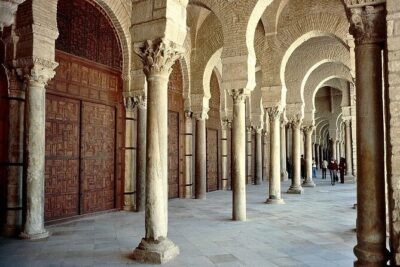
Private Tour to Kairouan, El Jem & Monastir from Tunis_hammamet
Read our review →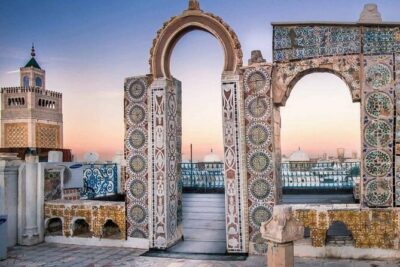
Private tour: Medina,Carthage ,Sidi Bou Said, Bardo Museum+lunch
Read our review →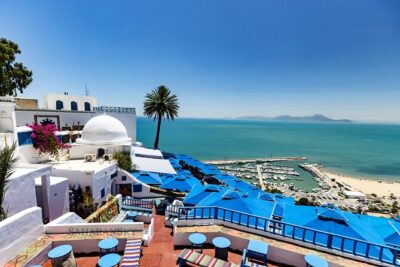
Carthage, Bardo Museum, Sidi Bou Said and Medina Private Day Tour
Read our review →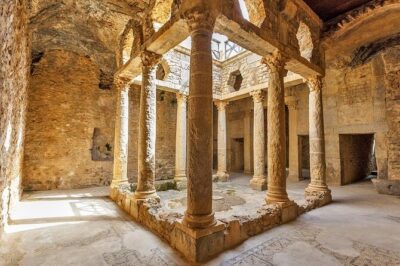
Private Excursion to Testour, Dougga and Bulla Regia from Tunis.
Read our review →
Guided Bike Tour of Carthage Archeological Site in Tunisia
Read our review →
Guided tour in the UNESCO world heritage Medina of Tunis
Read our review →
Group Guided Bike Tour of Carthage Archeological Site in Tunisia
Read our review →
Archaelogical Site Of Carthage + Picturesque Village Of Sidi Bou Said
Read our review →Browse the lists this tour appears in